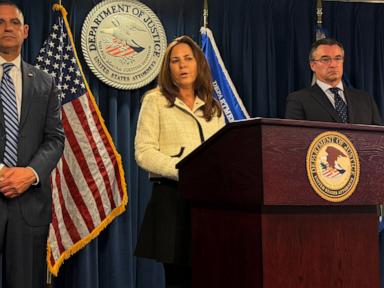
Paying up to $40,000 for a wedding ring and a green card sounds like a fast track out of immigration limbo, yet federal prosecutors treat organized sham marriages as a felony enterprise that can land defendants in prison for decades. Honestly, people hear about a bust like the October 2026 case in Massachusetts—where six people were charged over an alleged decade-long marriage fraud operation—and assume the biggest risk is just getting a visa application denied.
It's way worse than that. Once federal investigators treat fake weddings as a business model rather than a single bad decision, the legal exposure snowballs fast.
How a Marriage Fraud Ring Actually Works on Paper
When six individuals in Massachusetts were charged in October 2026 following a joint probe involving Homeland Security Investigations (HSI), U.S. Citizenship and Immigration Services (USCIS), and the U.S. Attorney's Office for the District of Massachusetts, prosecutors described an alleged operation that ran for roughly a decade out of southeastern Massachusetts. According to the criminal complaint, Jennifer Gonzalez of Fall River allegedly charged noncitizens between $38,000 and $40,000 per arrangement to pair them with U.S. citizens for immigration petitions, averaging around 18 to 20 marriages a year. Five others—Erica Daniels, Chreise Alejandro, Amara Pugh, Jessica Tavares, and Jaylin Hill—were also charged in connection with the alleged scheme, which carries accusations of marriage fraud, conspiracy to commit marriage fraud, harboring unlawful residents, and conspiracy to harbor. As with every federal indictment, the allegations remain unproven accusations unless a jury convicts beyond a reasonable doubt.
What stands out in modern federal complaints isn't just the price tag. It's the stagecraft.
Operators in these alleged rings don't just file a Form I-130 and hope nobody checks. Prosecutors allege participants spend months building a paper trail to mimic an authentic household. Think joint bank accounts, shared insurance policies, utility bills, couple photos, and monthly payouts to a citizen spouse or intermediary—sometimes disguised in written agreements as loans so the paperwork doesn't scream "paid marriage".
A legally valid marriage certificate doesn't protect a couple if the primary purpose from the start was evading immigration laws.
That point trips up a lot of people. You can get married at city hall, follow every local state rule, and still face federal prosecution if the relationship wasn't entered into in good faith to build a shared life. Even when a genuine marriage later falls apart, immigration law treats intent at the inception of the marriage differently from a relationship that was transactional from day one.
Why Prosecutors Stack Harboring and Conspiracy Charges
If you only look at basic marriage fraud statutes, you miss why federal cases hit so hard. Under federal law—including 8 U.S.C. § 1325(c) and related fraud provisions—knowingly entering a marriage to evade immigration laws carries a statutory maximum of up to five years in prison and fines up to $250,000. That's already serious time.
Then prosecutors add harboring and conspiracy counts. Harboring offenses under 8 U.S.C. § 1324 carry up to ten years in prison when tied to financial gain or commercial facilitation, and combining charges can push total theoretical exposure across counts to 25 years.
Why do federal prosecutors love stacking those charges? Because conspiracy and harboring turn a series of private arrangements into a unified criminal enterprise. Statements made by one alleged conspirator in furtherance of the scheme can be used against co-defendants, and someone who played a narrow role—like helping with paperwork, acting as a go-between, or showing up to a ceremony—can get pulled into a much larger case.
And there's often a financial ripple effect that people don't expect. In the Massachusetts case, prosecutors also alleged that Gonzalez collected more than $120,000 in Supplemental Nutrition Assistance Program (SNAP) benefits over several years while failing to accurately disclose marital status on state benefit applications. Once investigators start pulling bank records, benefit filings, lease agreements, and phone recordings, small inconsistencies start talking to each other.
Real Mistakes People Make Around Marriage Petitions
Having worked around immigration compliance and seen how adjudicators and federal agents scrutinize files, I can tell you the biggest errors usually happen long before an arrest warrant is signed.
- Treating "red flags" as guilt without context. A couple with a big age gap, different languages, separate living arrangements for work, or a quick engagement isn't automatically committing fraud. Those are red flags that invite closer scrutiny, not automatic proof of a sham. The mistake is hiding normal quirks instead of explaining them clearly.
- Confusing "paper proof" with "real life." A thick binder of joint account statements means very little if neither person can answer basic questions about daily routines, family history, or how they actually met. Conversely, a couple with fewer joint accounts—maybe because one person has bad credit or they rent from a relative—can still have a strong case if their day-to-day reality is consistent and verifiable.
- Listening to street-level "fixers" over licensed counsel. Anyone promising a guaranteed green card for a lump sum, coaching you to lie in a USCIS interview, or telling you state policies make federal immigration enforcement irrelevant is selling risk, not protection. Federal immigration law is federal law, regardless of state-level politics.
- Skipping or blowing off scheduled interviews. Missing a USCIS interview without proper notice or failing to address discrepancies early often triggers denials, site visits, or referrals for deeper investigation.
What You Should Do If You're Navigating a Marriage Petition or Under Scrutiny
If you're in a genuine relationship and filing a spousal petition, keep your records clean, consistent, and honest from day one. Maintain clear proof of shared life—leases, joint bills where practical, photos across different occasions, travel records, and communications—and make sure every form you sign matches reality.
If you've been approached by a third party offering a "paid marriage" arrangement, walk away immediately and cut contact. Paying money or taking cash to fake a relationship doesn't just risk a denied petition; it exposes you to federal felony charges, heavy fines, permanent immigration bars, and prison time.
And if you or someone you know is already facing USCIS questioning, a notice of intent to deny, or contact from federal investigators, stop guessing and talk to an experienced immigration or federal criminal defense attorney right away. Don't try to "explain it away" informally on recorded calls or unvetted statements—get qualified legal advice before answering substantive questions.
6 charged in Massachusetts immigration marriage fraud scheme offers a quick news recap of the federal announcement surrounding the Massachusetts marriage fraud indictment.