Western commentators love a tidy narrative. Give them a powerful woman standing next to a head of state in a custom-tailored coat, and they instantly reach for the lazy shorthand of soft power. They call it fashion diplomacy. They write breathless columns about bespoke collars acting as olive branches, silk embroidery standing in for geopolitical treaties, and luxury silhouettes softening the hard edges of statecraft.
It is a comforting illusion. It treats global politics like a high-society charity gala where everyone speaks the language of couture.
I have watched state visits from the inside. I have seen trade delegations grind to a halt because a minister misread a room, and I have watched multi-billion-dollar supply chains pivot on a single regulatory whisper. Believe me, nobody in a Beijing war room or a Brussels trade commission changes their strategic posture because a presidential spouse wore a nice trench coat.
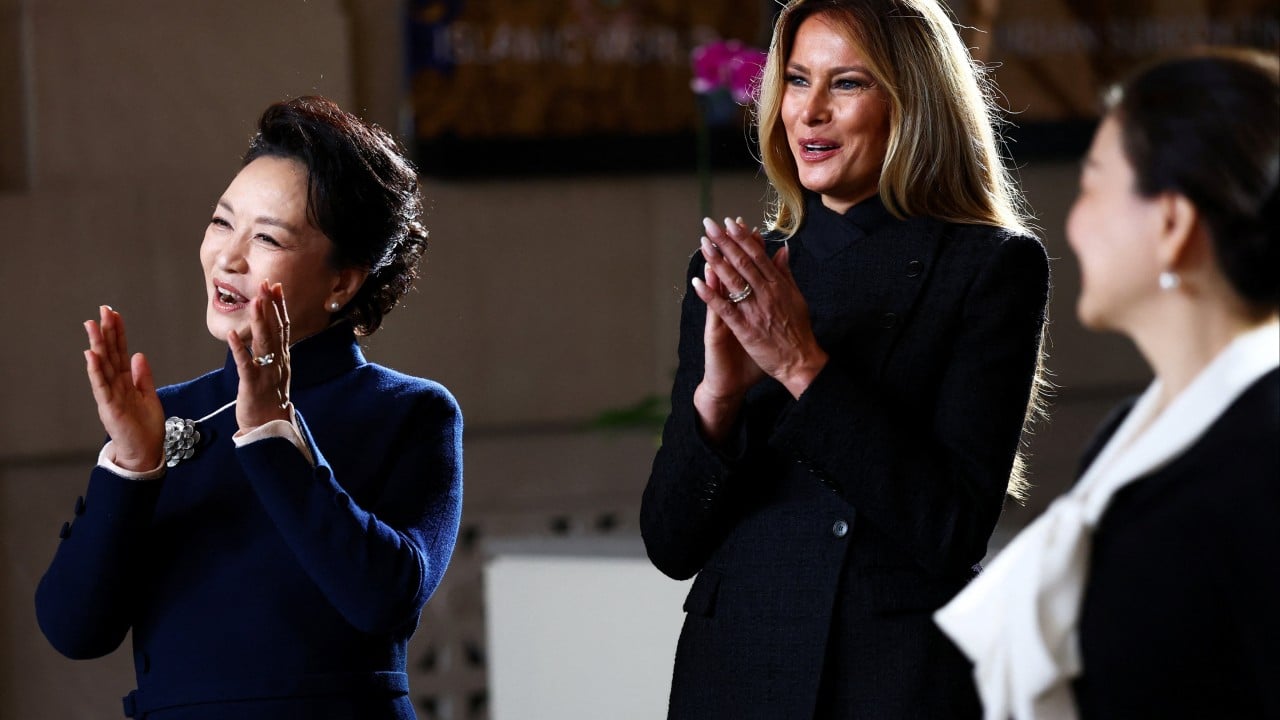
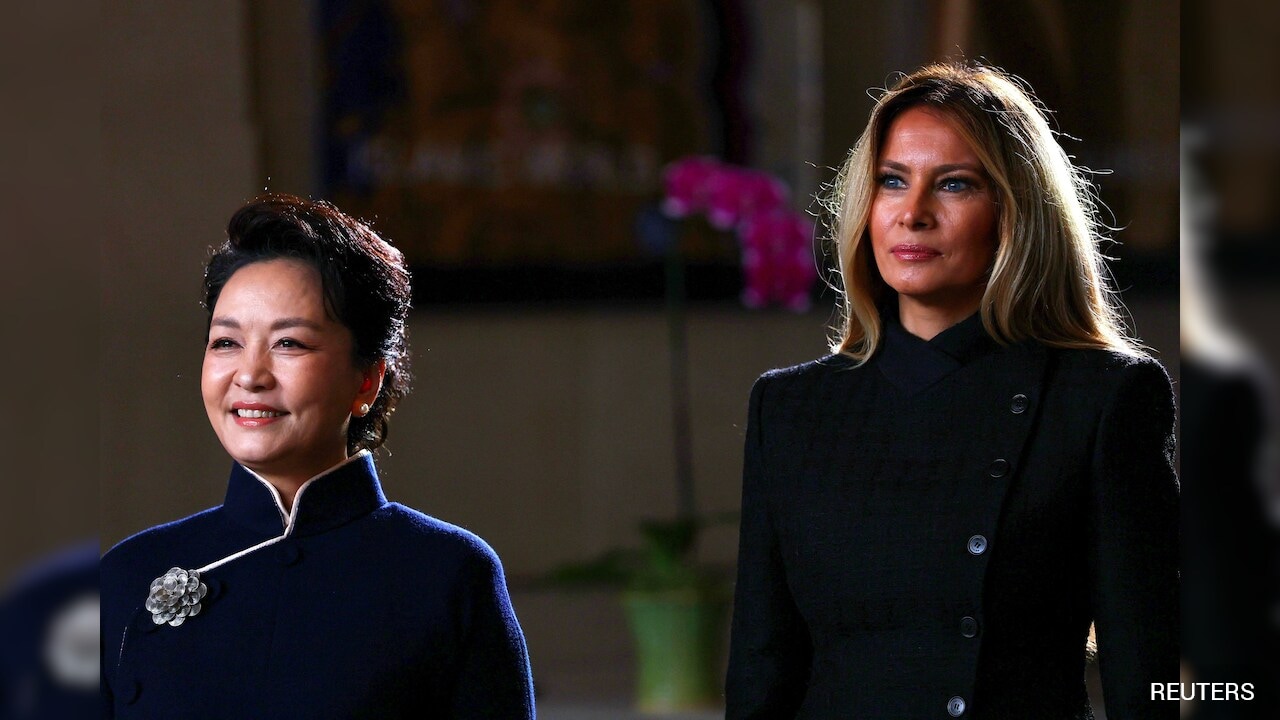
To call what Peng Liyuan does fashion diplomacy is to fundamentally misunderstand both fashion and statecraft. She is not sending subtle style messages to foreign leaders. She is managing domestic iconography.
The Western Projection Trap
The entire concept of soft power rests on the idea that foreign audiences are watching, interpreting, and being charmed. When Michelle Obama wore Jason Wu, the American media framed it as a nod to multiculturalism and democratic openness. When Kate Middleton steps out in a British heritage brand, the tabloids spin a yarn about quiet patriotism and stability.
So when Western analysts look at Peng Liyuan, they apply their own playbook. They assume her wardrobe choices are targeted outward, designed to disarm skeptical foreign capitals and project a modern, approachable face for China.
This is arrogant nonsense.
Foreign ministries do not make policy based on whether a first lady looks chic at an airport tarmac. Foreign policy is driven by maritime trade routes, semiconductor supply chains, debt restructuring in the Global South, and domestic legitimacy. If a government shifts its stance toward Beijing, it has nothing to do with a well-tailored lapel and everything to do with leverage.
By obsessing over the superficial aesthetics of diplomacy, Western observers reveal their own provincial bias. They reduce complex authoritarian governance to a lifestyle magazine spread because it is easier to digest than the cold machinery of state planning.
The Domestic Audience Is The Only Audience That Matters
Let us look at the actual mechanics of power inside China.
Peng Liyuan was a household name long before her husband took the highest office. She was a celebrated folk singer, a major general in the People Liberation Army, and a fixture of state television. She earned her cultural capital through decades of performing for soldiers, disaster zones, and millions of citizens during the annual Spring Festival Gala.
When she stands beside visiting dignitaries today, her wardrobe is not a message to Washington or London. It is a masterclass in domestic signaling.
Her signature style relies heavily on traditional elements—reworked Mandarin collars, structured coats cut with clean, military-adjacent precision, and domestic silk textiles. This is not about appealing to Paris or Milan. It is about anchoring authority in a narrative of cultural revival.
Inside China, the middle class has grown weary of imported luxury flashiness. The era of overt, Western-dominated luxury branding among political elites has given way to a demand for cultural confidence. Peng embodies a specific archetype: the dignified, patriotic mother of the nation who respects heritage without rejecting modern competence.
Her clothes are produced by domestic designers, most notably Exception de Mixmind. This choice sends a clear, unambiguous signal to the domestic market: Chinese manufacturing, Chinese aesthetics, and Chinese brands are equal to anything the West can produce. It is import substitution disguised as elegance.
To call this diplomacy is to miss the domestic theater entirely. It is internal legitimation. It tells hundreds of millions of domestic television viewers that their culture has ascended to the global stage, anchored by traditional grace and modern discipline.
The Myth Of The Soft Power Multiplier
We need to kill the myth that style changes geopolitical outcomes.
Think about the actual friction points in global affairs. Tariffs, military posturing in the South China Sea, technology transfer bans, and territorial disputes cannot be styled away. When a nation imposes economic sanctions or blocks telecommunications infrastructure, no amount of sartorial grace will stay the hand of a regulator.
The soft power argument assumes that cultural admiration translates directly into political compliance. History proves otherwise. Consumers across the globe can love K-Pop, watch Hollywood blockbusters, and wear European luxury brands while their home governments aggressively oppose Western foreign policy. Culture travels across borders easily; political loyalty does not.
When analysts argue that a first lady is softening a countrys image, they are confusing personal popularity with strategic alignment. Peng Liyuan may be admired for her poise, but that admiration does not translate into a single favorable trade concession in Geneva or a relaxed tariff in Washington.
Power is structural. It is built on industrial capacity, energy security, financial dominance, and military deterrence. Dressing it up in haute couture does not make it soft; it just makes it photogenic.
What Real Economic Signaling Looks Like
If you want to understand how economic and political signals are actually sent, look past the red carpet photos and examine industrial policy.
When a nation wants to project strength, it showcases infrastructure projects, space exploration milestones, and technological independence. It builds high-speed rail networks across continents. It secures mineral rights in developing nations.
Peng Liyuan’s public appearances do serve a functional purpose, but it is strictly philanthropic and cultural. Her work with the World Health Organization on tuberculosis and HIV/AIDS advocacy, and her promotion of girls education, mirrors the traditional portfolio of global philanthropic diplomacy. It is standard-issue soft diplomacy, practiced by presidential spouses worldwide from Washington to Pretoria.
Yet, even here, treating her advocacy as a unique instrument of Chinese strategy overstates the case. It is a role designed to fulfill international expectations of what a modern state leader's spouse should do, rather than a radical new blueprint for global influence.
The real story is not that a singer turned first lady is revolutionizing international relations through her wardrobe. The real story is how easily foreign policy commentators are distracted by shiny objects, mistaking domestic cultural mobilization for international charm offensives.
Stop looking for geopolitical strategy in a clothing rack. Look at the balance sheets, the supply chains, and the raw mechanics of state power. That is where the world is actually shaped.