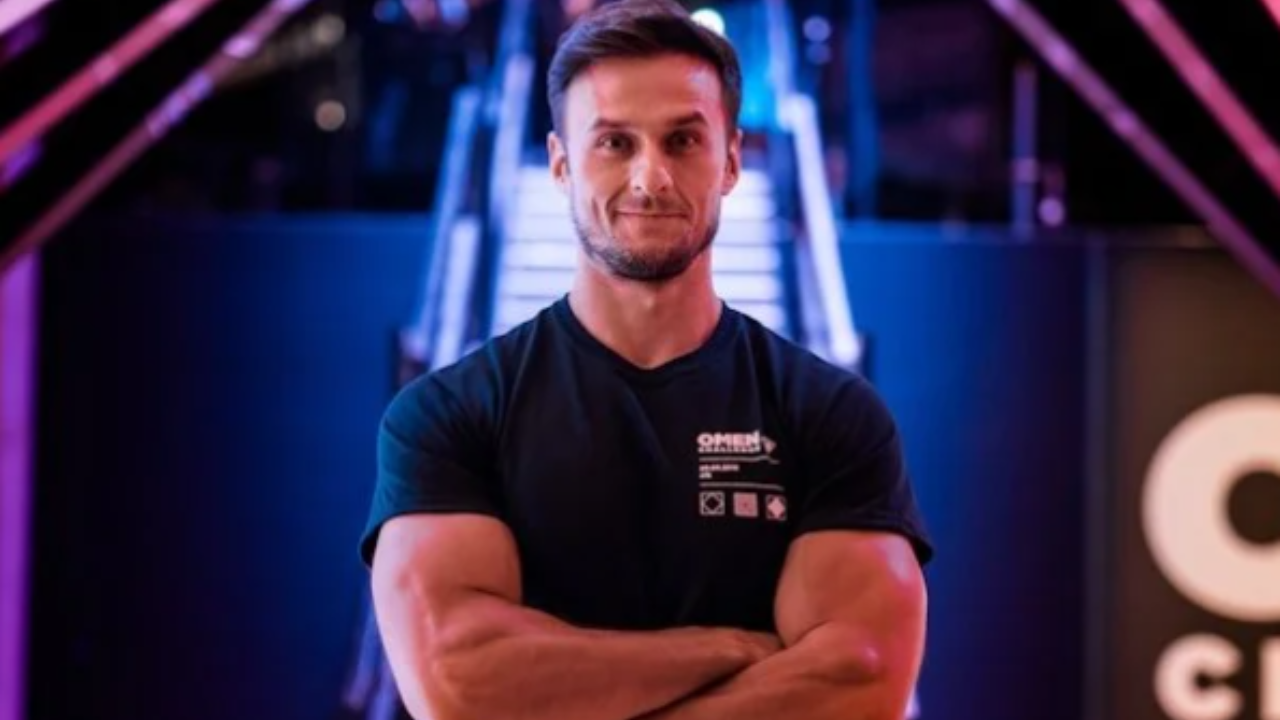
Jarosław "pashaBiceps" Jarząbkowski just sold a pixelated butterfly knife for the price of a mid-range sedan and handed the cash to a cancer charity. The gaming press is tripping over itself to crown him a saint. It is a feel-good story designed for easy clicks and LinkedIn "leadership" posts.
But if you look past the warm fuzzies, you are staring at a structural nightmare. In related news, take a look at: The Clock on the Screen That Changes Everything.
This is not a story about philanthropy. This is a story about the absolute absurdity of the skin economy and why the "Counter-Strike" market is a speculative bubble held together by nostalgia and a lack of regulation. When a retired pro-player has to liquidate a digital asset to make a meaningful charitable impact, we are no longer talking about gaming. We are talking about high-stakes commodity trading masquerading as a hobby.
The Mirage of Digital Altruism
The "lazy consensus" says this is a win-win. Pasha gets rid of a skin, a charity gets $21,000, and the community feels virtuous. Bloomberg has provided coverage on this important subject in great detail.
Here is the nuance the breathless reporting missed: This transaction validates a pricing model that is fundamentally predatory. By celebrating the $21,000 price tag, the community reinforces the idea that these skins should cost this much. We are normalizing the fact that a cosmetic item in a twenty-year-old franchise can fluctuate in value based on the whims of a handful of Chinese collectors and Saudi whales.
I have tracked digital asset markets since the early days of the Steam Market. I have seen "investors" lose their entire tuition savings because they thought a specific sticker would "moon." When a legend like pashaBiceps engages in this, it creates a halo effect around a volatile, unregulated gambling ecosystem.
Charity is the ultimate PR shield. You cannot criticize the method because the outcome is "good." But we need to separate the act of giving from the vehicle used to generate the wealth. If a hedge fund manager donated $20,000 earned from predatory short-selling, we would at least have a conversation about the ethics of the source. In gaming? We just spam "W" in the chat and move on.
The Skin Market Is Not Your Friend
Let’s dismantle the premise that this is a "sustainable" secondary market.
Most people ask: "How can I make money like pasha did?"
The answer is: You can’t.
The skin pasha sold—a Factory New Doppler Sapphire Butterfly Knife—didn't appreciate because of "market fundamentals." It appreciated because of artificial scarcity and the celebrity status of the owner. For every pashaBiceps making a $21,000 sale, there are ten thousand teenagers holding "investments" in cases and low-tier skins that will never break even after Steam takes its 15% cut or third-party sites take their pound of flesh.
The Counter-Strike skin market operates on a Greater Fool Theory. You buy a skin not because it looks good, but because you believe someone else will pay more for it later. Pasha didn't find a "fool," he found a legitimate buyer, but the publicity surrounding the sale tricks average players into thinking they can do the same.
The Hidden Cost of "Skin-Based" Charity
When $21,000 moves from a private collector to a charity via a digital knife, the platform holders win more than the charity does.
Consider the friction:
- Transaction Fees: Third-party marketplaces often take 5% to 10% on high-value sales.
- Liquidity Traps: Turning a skin into actual cash that a hospital can use is a bureaucratic nightmare involving KYC (Know Your Customer) checks and potential tax triggers that the "feel-good" articles never mention.
- Value Volatility: If the market had dipped 20% the week before the sale—something that happens regularly in CS:GO—that charity would have lost $4,000 in potential funding.
Relying on digital pixels for philanthropy is like trying to fund a school by selling Beanie Babies in 1998. It works until it doesn't.
The Ethics of the "Pro-Player" Markup
PashaBiceps is a beloved figure. His "Papito" persona is built on genuine kindness and a legendary work ethic. But we have to address the "Pro-Player Markup."
In the real world, provenance matters. If Paul Newman owned a watch, it’s worth more. In the digital world, the "pashaBiceps knife" carries a premium. When he sells it for charity, he is essentially monetizing his legacy. That is his right. However, the ripple effect is that it inflates the perceived value of all similar knives.
This inflation prices out the actual players. Gaming used to be about the game. Now, the "Counter-Strike" experience is inextricably linked to a class system defined by the rarity of your loadout. By turning these skins into high-value charitable assets, we are cementing their status as "luxury goods" rather than "game components."
Stop Asking if the Donation was Good
The question isn't "Was it good that the cancer fighters got money?" Obviously, yes.
The real question is: "Why are we okay with a gaming ecosystem that requires a $21,000 entry fee for a 'top-tier' aesthetic?"
The "People Also Ask" sections of Google are filled with queries about how to "invest" in CS skins. My advice? Don't. If you want to give to charity, give cash. If you want to play a game, play the game. If you want to gamble, go to a casino where the odds are at least posted on the wall.
The CS skin market is a black box. It is a collection of spreadsheets and database entries that Valve could, in theory, delete tomorrow. There is no underlying value. There is no physical asset. There is only the collective agreement that a blue knife is worth more than a grey one.
The Dark Side of the "W"
We cheer for the donation because it makes us feel like our hobby has "meaning." It validates the hours we spend staring at screens. "Look," we say to our skeptical parents or spouses, "someone sold a knife and saved lives!"
This is a coping mechanism. We are using pasha’s generosity to justify our own participation in a system that is designed to extract as much money as possible from players through loot boxes (gambling) and FOMO (fear of missing out).
I have seen the back end of these "influencer" deals. Often, the skins are gifted or "loaned" to players by gambling sites to increase visibility. While pasha’s sale appears to be a personal asset liquidation, the broader trend is one of manipulation. We are being sold a dream of digital wealth that is statistically impossible for 99.9% of the population.
Actionable Reality Check
If you actually care about the impact of gaming on the world, stop chasing the "high-value skin" narrative.
- Acknowledge the Bubble: Treat every dollar you put into skins as gone. It is not an investment. It is an expense.
- Support Direct Giving: If pashaBiceps inspired you, don't buy a crate. Send $20 directly to a cancer research center. Skip the middleman, skip the marketplace fees, and skip the market volatility.
- Demand Transparency: Pressure developers to move away from predatory loot box mechanics that fuel these astronomical prices in the first place.
PashaBiceps did a kind thing. He is a good man. But don't let a single act of charity blind you to the fact that the platform he used is a casino disguised as a tactical shooter.
We are celebrating a man for selling a life jacket while the ship is still sinking. Stop clapping and start looking at the holes in the hull.