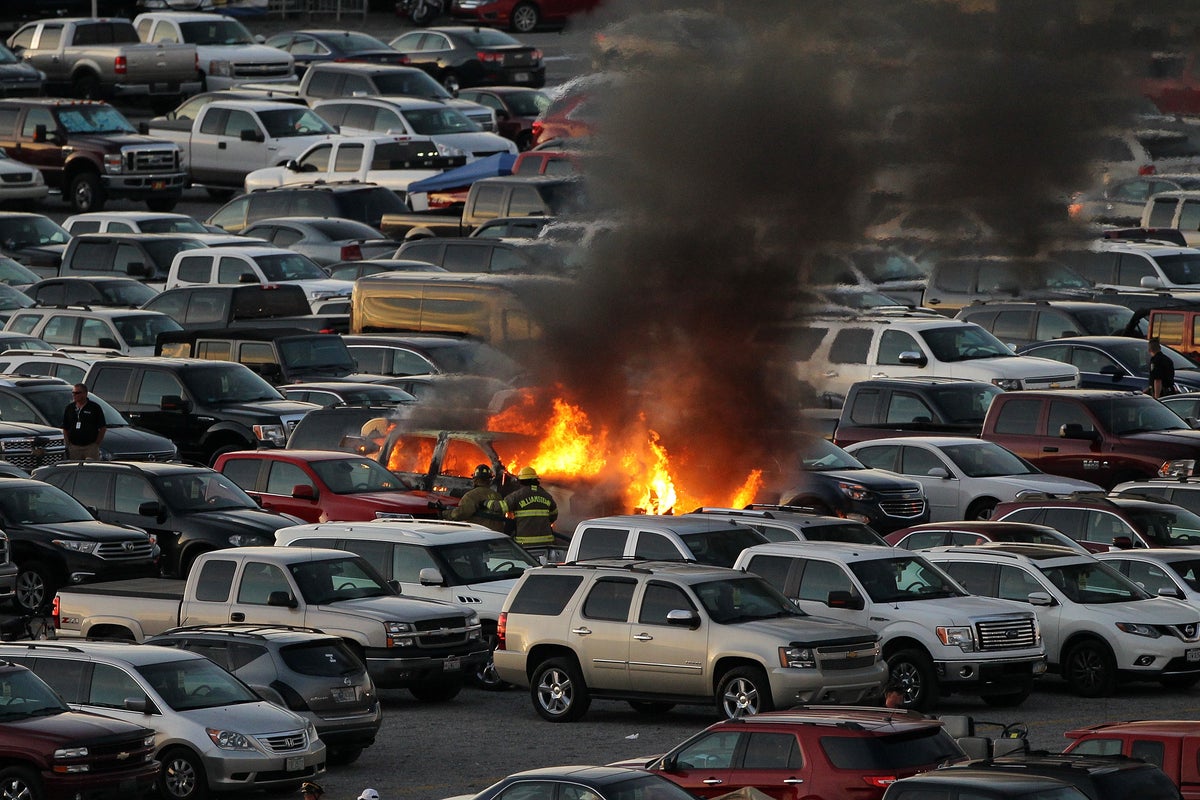
Imagine walking out to your driveway and smelling smoke or, worse, watching your car catch fire while parked with the engine off. It sounds like a bad movie plot. It is actually happening to millions of vehicles right now.
Major recalls are sweeping the automotive industry for a terrifying reason. Cars are spontaneously combusting while parked, locked, and completely shut down. If you think your vehicle is safe just because the ignition is off, you might want to pay attention.
The Engineering Nightmare Behind Parked Car Fires
Cars do not normally turn into fireballs by themselves. Modern vehicles are complex computers on wheels. Even when parked, several systems stay awake. Keyless entry modules listen for your fob. Telematics systems ping cellular networks. Battery management computers monitor state of charge.
When a component fails in one of these always-on systems, disaster strikes.
Take anti-lock brake system modules as a prime example. In recent massive recalls affecting millions of crossovers and SUVs from major manufacturers, moisture leaks into the ABS module. This moisture causes an electrical short circuit. The short circuit happens whether you are driving down the highway or sleeping in your bed at night. Once power meets moisture and corroded wiring, current builds up rapidly. Heat rises. Plastic melts. Flames ignite.
It is that simple and that terrifying.
Spotting the Warning Signs Before Disaster Strikes
Most people wait for an dashboard warning light before worrying about mechanical issues. Electrical fires do not work that way. They happen fast and without warning. However, there are subtle clues your car might be trying to give you.
Do you smell a faint, sweet burning odor near the front wheels after parking? Do you notice your battery draining mysteriously overnight even though you replaced it recently? Are your ABS or traction control lights flickering randomly?
Ignore these symptoms at your own risk. Car fires rarely start as roaring infernos. They begin as a microscopic short circuit that generates heat for hours inside a plastic housing. By the time smoke billows out from under the hood, the wiring harness is already toast.
Which Vehicles Are Affected and Why
You cannot assume luxury brands are immune or that budget cars are the only culprits. Recalls span across almost every major automaker. Hyundai, Kia, Ford, BMW, and General Motors have all issued severe warnings over the last few years regarding fire risks in parked vehicles.
In many cases, federal safety regulators have issued "park outside" advisories. Think about what that actually means. Regulators are telling you that your multi-thousand-dollar investment is too dangerous to keep inside your garage. A garage fire spreads quickly to your home, your family, and your neighbors.
The root causes usually boil down to two main culprits:
- Fluid Contamination: Brake fluid, coolant, or outside moisture leaks into sensitive electronic control units.
- Component Manufacturing Flaws: Substandard relays or improperly insulated wiring harnesses that overheat under continuous low-draw electrical currents.
Automakers often struggle to fix these issues quickly. Replacement parts take months to manufacture and ship. Dealership service bays are backlogged for weeks. If your vehicle is subject to a fire-risk recall, waiting for a letter in the mail is a gamble you should not take.
Protecting Your Property Right Now
Checking your vehicle identification number takes thirty seconds. Go to the National Highway Traffic Safety Administration recall lookup tool and plug in your 17-digit VIN. Do not rely on dealership notifications alone. Sometimes addresses change or used car records fall through the cracks.
If your car is on an active fire-risk recall list, take immediate precautions. Park the vehicle away from structures. Do not park inside your attached garage. Keep it clear of dry leaves, trash cans, or other vehicles. If your model specifically requires a main fuse removal or an emergency battery disconnect while parked, follow those instructions to the letter until you can get to a certified technician.
Do not wait for your car to make the news. Check your status today and keep your driveway safe.


