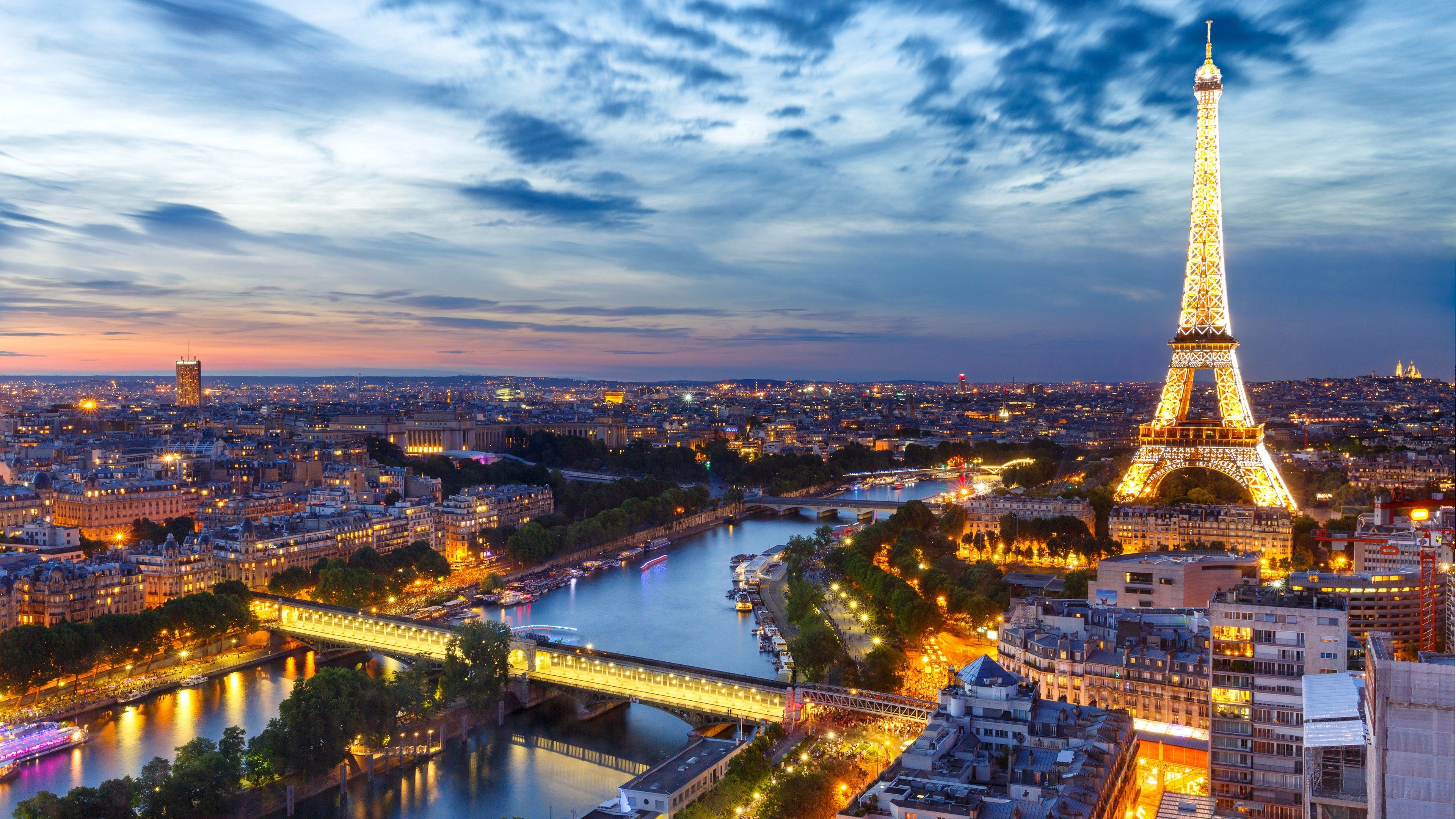
The iconic silhouette of the Eiffel Tower stood silent on a Monday morning in September 2026, shut down not by technical failure or routine maintenance, but by an employee revolt. Workers walked off the job after female staff members were ordered to vacate their workstations, step aside, and render themselves invisible to accommodate a private delegation of BAPS Hindu monks visiting the landmark.
This flashpoint laid bare a profound institutional failure by SETE, the operating company of France's most famous monument. By capitulating to requests for gender segregation to satisfy strict monastic celibacy rules, management triggered a fierce national debate over where cultural accommodation ends and workplace discrimination begins.
Anatomy of an Institutional Capitulation
The crisis began quietly over the weekend when roughly one hundred people associated with the Bochasanwasi Akshar Purushottam Swaminarayan Sanstha (BAPS) spiritual movement toured the monument. The delegation was in the Paris region to celebrate the inauguration of a major temple.
According to union representatives and internal accounts, the delegation's trip came with specific operational demands. Because the visiting sadhus follow strict celibate codes that forbid physical proximity or direct contact with women, management was asked to limit interactions with female staff.
Instead of pushing back against a condition that directly violated French labor standards, operational managers complied. Female employees were told to leave their posts. Male workers were moved in to take their places. Women were instructed to avoid crossing specific sectors of the tower while the delegation moved through.
The humiliation felt by the workforce was instantaneous. Diane Davoine, a representative for the CGT trade union, noted that the directives effectively sidelined workers based entirely on their gender.
By Monday morning, staff assemblies voted to strike. The message to upper management was direct. Public infrastructure cannot become a theater for gender exclusion.
The Fallout and the Blame Game
The political reaction in France was swift and uncompromising. National leaders drew a hard line against corporate compliance with discriminatory religious protocols.
National Assembly President Yael Braun-Pivet publicly stated that welcoming foreign visitors must never mean renouncing domestic principles. Paris Mayor Emmanuel Gregoire backed the striking workers, calling their anger entirely legitimate and announcing an immediate administrative investigation. Gabriel Attal, the former prime minister, reinforced the sentiment by declaring that no belief system holds the authority to dictate where women are permitted to stand.
Faced with mounting pressure, SETE management blinked. In an official admission of fault, the tower operator conceded that the visiting group had indeed requested arrangements to restrict female interaction, and openly admitted that such conditions should never have been accepted.
BAPS issued a statement of its own. The organization maintained that the visit had been scheduled at the beginning of public hours to minimize general disruption, denied any knowledge of workers being forced out, and offered an apology for any pain or inconvenience caused.
Yet the apology did little to quiet critics across international spaces. Commentators and independent observers questioned the logic of bringing a monastic order with rigid spatial restrictions into a hyper-public Western landmark. If a religious rule prevents interaction with half the human population, the burden rests on the adherents to navigate public spaces without disrupting the livelihoods of working women.
The Deeper Vulnerability of Public Heritage Operations
Beyond the immediate political theater, this incident exposes vulnerabilities in how major tourist hubs handle high-profile private bookings. Landmark operators face constant financial pressure to court wealthy delegations, international religious bodies, and state-sponsored entities.
When revenue-generating opportunities intersect with cultural diplomacy, administrative oversight often collapses. Mid-level managers caught in the middle of scheduling logistics frequently make poor ad-hoc decisions to keep VIP clients satisfied. They prioritize short-term operational ease over legal obligations and basic human dignity.
In this case, the management team treated labor laws and civil liberties as flexible parameters that could be adjusted for the right fee or the right guest. They miscalculated the collective tolerance of a modern workforce.
France operates under a strict legal framework regarding public equality. The laws governing public spaces do not contain loopholes for visiting religious authorities. When SETE agreed to shuffle its personnel based on gender, it breached the foundational social contract of public employment.
The temporary closure of the Eiffel Tower cost the operating company hundreds of thousands of dollars in ticket sales. More critically, it damaged the institutional reputation of a monument that bills itself as a universal symbol of freedom and human emancipation.
Fixing this requires more than an apology note or a change in management rhetoric. It demands clear, non-negotiable operational boundaries for any private group seeking exclusive access to public assets. Accommodating faith cannot mean erasing citizens from their own workplaces. Until institutions realize that equal treatment is not optional administrative red tape, public landmarks will remain vulnerable to similar manufactured crises
BAPS Monks’ Celibacy Rule Triggers Eiffel Tower Protest Over Women Staff: France Defends Equality
This video report explores the background of the BAPS delegation's visit to the Eiffel Tower, the subsequent employee protests, and the official French response defending workplace equality.