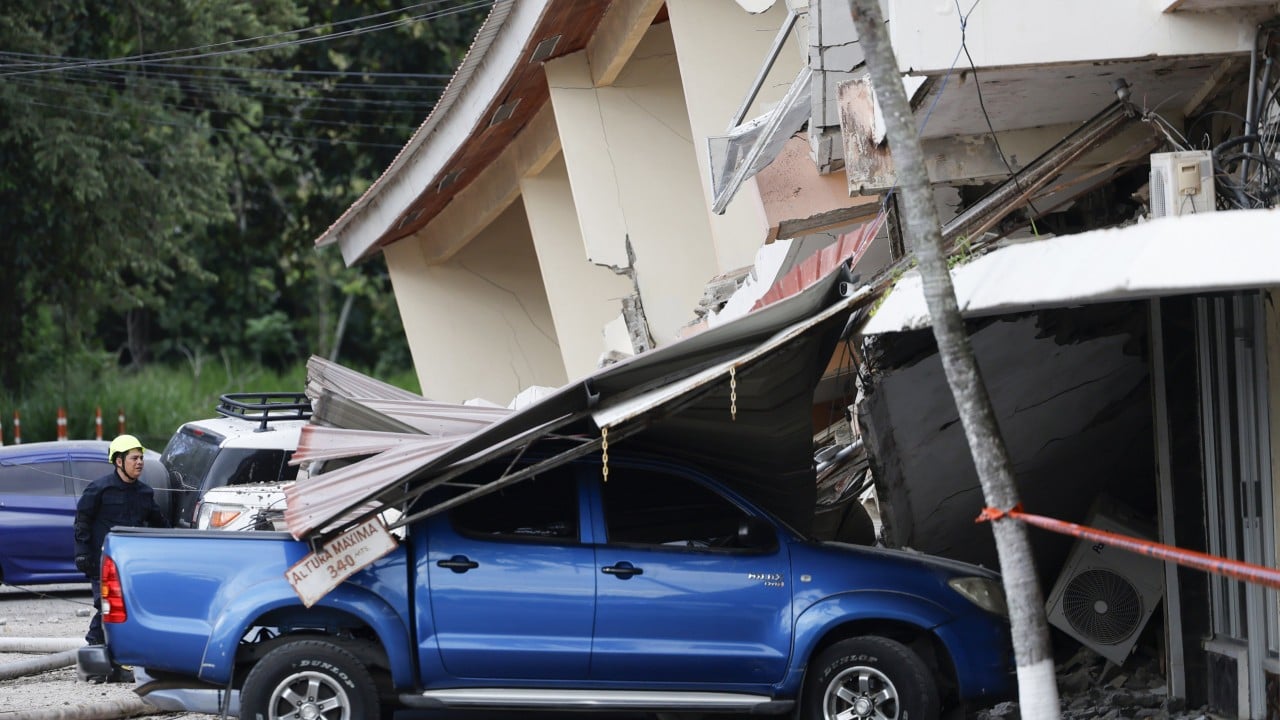
Ground doesn't just split open without warning and leave a country alone. When a massive 7.7-magnitude earthquake struck southern Panama, followed quickly by a rattling 6.6-magnitude jolt and hundreds of aftershocks, residents didn't just experience a momentary tremor. They faced a terrifying geological reality that reshaped towns in provinces like Herrera, Veraguas, and Los Santos.
If you followed the initial headlines, you probably saw brief clips of high-rise towers swaying in Panama City and crumbled masonry in Penonomé. But the real story isn't just about the initial shockwaves. It's about how a region handles a disaster of this scale when the infrastructure is tested to its absolute limit.
Understanding the Fault Line Mechanics
Panama sits in a complex tectonic zone where multiple plates interact, making the country vulnerable to seismic events. Yet, a quake of this magnitude originating near the Azuero-Sona fault dynamics catches people off guard. The United States Geological Survey initially registered the main tremor higher before pinning it at a severe 7.7, striking at a shallow depth of just about 6 miles.
Shallow earthquakes pack a much heavier punch than deep ones. Because the energy doesn't have to travel through hundreds of miles of mantle before reaching the surface, it hits buildings and soil with raw, unmitigated fury. That's why structures near the epicenter in Herrera Province suffered catastrophic damage while cities hundreds of miles away only felt violent swaying.
The Reality on the Ground
Numbers on a seismograph don't capture the chaos of evacuation alarms ringing across Panama City or families sleeping in makeshift community shelters. Weeks after the initial catastrophe, thousands of people remain displaced, relying on temporary housing and aid.
Bridges cracked, roads buckled, and schools shut down across hard-hit rural sectors, leaving communities scrambling to restore basic utilities. Sanitation gaps at displacement sites turned into a logistical nightmare for local authorities and international relief partners trying to prevent disease outbreaks.
Meanwhile, critical economic corridors like the Panama Canal managed to escape structural shipping disruptions, saving the national economy from a secondary supply chain collapse. But local commerce in the interior provinces took a severe beating as small business owners watched their storefronts turn to rubble.
Dealing with Seismic Fatigue
When hundreds of aftershocks keep rattling the same region day after day, psychological exhaustion sets in just as much as physical destruction. People are afraid to sleep indoors. Every minor creak of a house frame triggers panic.
Government agencies and disaster response teams faced immense pressure to transition from immediate search-and-rescue operations to long-term reconstruction. Setting up temporary learning spaces for thousands of displaced students became an urgent priority to restore a semblance of normalcy.
Disasters like this expose the exact weak points in regional building codes and emergency preparedness. If you're living in or traveling through tectonically active zones in Central America, understanding local evacuation routes and building structural resilience isn't optional. It's the only line of defense when the earth decides to shift beneath your feet.