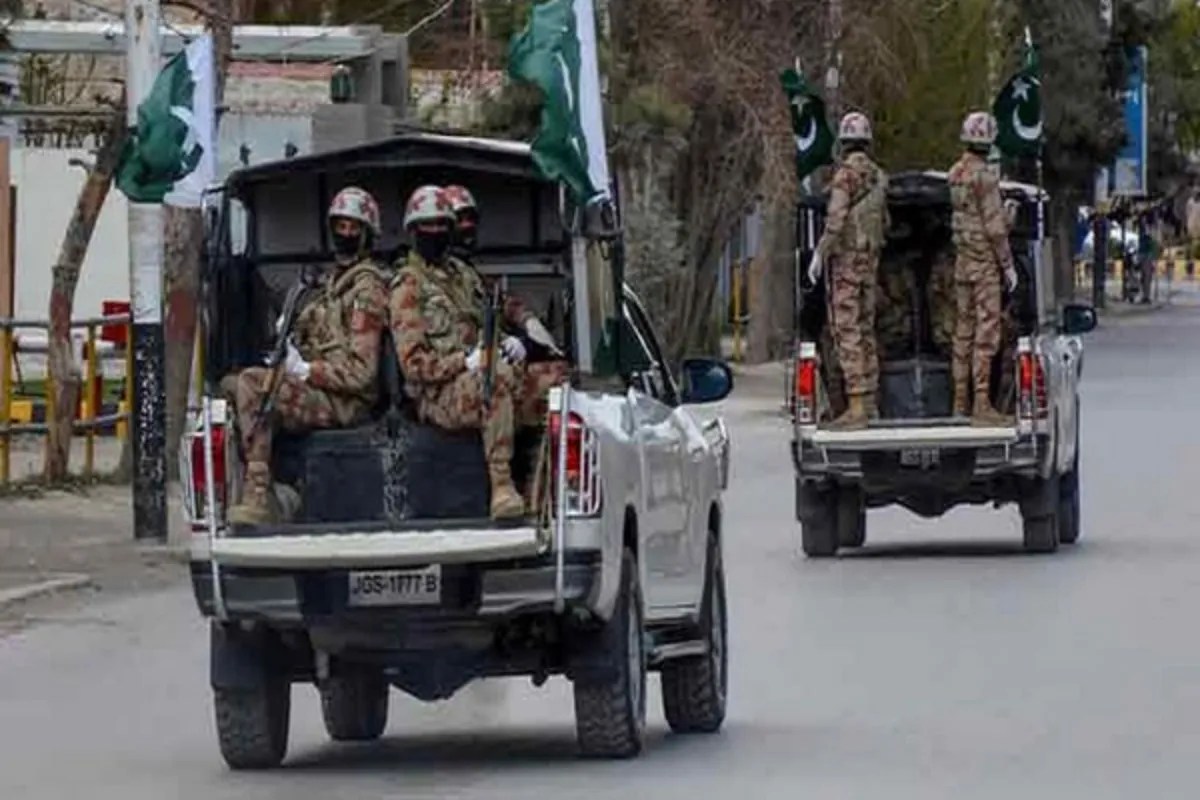
The security landscape along the rugged border between Pakistan and Afghanistan is shifting rapidly, marked by intense firefights and frequent intelligence-based raids. When security forces execute operations against high-value targets, the ensuing clashes rarely stay quiet. Recent military actions targeting Tehreek-e-Taliban Pakistan (TTP) cells have brought the brutal reality of this ongoing conflict back into the spotlight, particularly as digital footage of these engagements circulates widely online.
Inside the Border Security Operations
Military strategy in regions like Khyber Pakhtunkhwa relies heavily on preemptive intelligence. Instead of waiting for insurgent groups to strike infrastructure or checkpoints, specialized units routinely track militant movement across treacherous terrain. Intelligence-based operations usually unfold before dawn, utilizing tactical element surprise to neutralize cells before they can coordinate ambushes.
When state forces corner armed factions, intense exchanges of gunfire follow immediately. The recent operation resulting in the elimination of five TTP fighters highlights the continuous cycle of kinetic engagements defining the frontier. Publicly released military media updates, backed by operational video clips, attempt to project control, but they also expose the relentless nature of an insurgency that refuses to fade away.
Why the TTP Threat Persists
Understanding why these encounters happen requires looking past individual skirmishes. The TTP operates with ideological alignment to elements within the wider regional matrix, maintaining safe havens or sympathetic networks across a porous international boundary. Despite diplomatic pressure from Islamabad urging neighboring authorities to crack down on cross-border movement, operational safe zones continue to complicate regional security.
Militant factions routinely adapt their tactics, switching from traditional assaults to asymmetric warfare, improvised explosive devices, and hit-and-run tactics in mountainous terrain. This adaptation forces the military to continuously scale up its presence, turning civilian-adjacent border districts into active combat zones.
The Broader Cost of Frontier Conflict
Constant clashes take a heavy toll on both state forces and local civilian populations. Communities living in the borderlands find themselves caught between aggressive militant recruitment drives and sweeping military clampdowns. Curfews, movement restrictions, and sudden firefights disrupt daily life, forcing thousands to navigate an atmosphere of perpetual uncertainty.
State strategies relying purely on kinetic force have limits. Without addressing the underlying political, economic, and social grievances festering in these neglected tribal districts, tactical victories against small militant cells offer only temporary relief rather than a permanent solution.
Check local news updates regularly to track how these shifting military dynamics impact regional stability in the coming months. Take time to look at defense analyst reports for deeper context on border management policies.