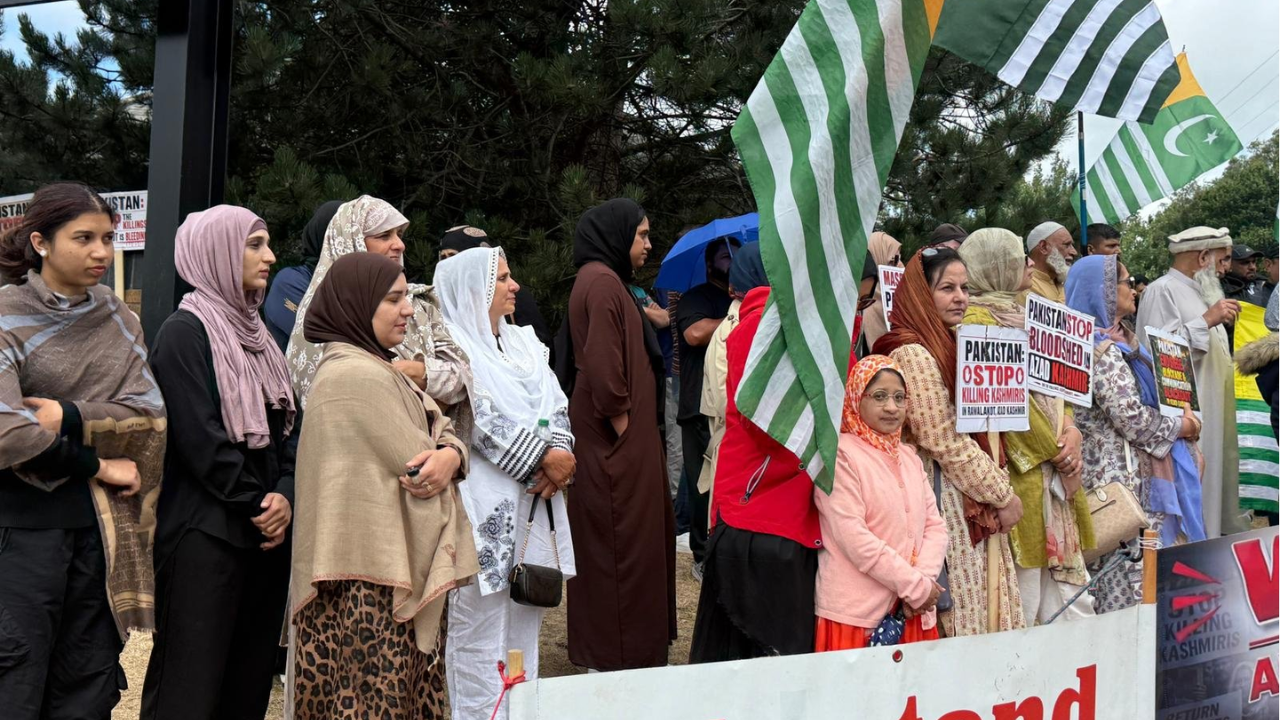
Geopolitics rarely stays contained within borders. When tensions spike thousands of miles away, the shockwaves hit foreign streets almost instantly. Right now, diaspora communities are making their voices heard loud and clear. If you've wondered why local demonstrations are erupting over international policy, you aren't alone.
The Spark Behind the UK Demonstrations
Let's look at what's actually happening on the ground. Recent civil unrest and heavy-handed security measures targeting civilian populations in Pakistan-administered Kashmir, commonly known as PoK, didn't just stay a local news item. Activists, community leaders, and concerned citizens across London, Birmingham, and other British urban centers organized rallies to condemn the state response.
People are angry. They're watching families face internet shutdowns, restrictions on movement, and violent crackdowns against peaceful demonstrators protesting high inflation, utility costs, and political marginalization. When basic economic grievances morph into violent suppression, the diaspora mobilizes. They use their freedom of speech in Western democracies to highlight what they view as severe human rights abuses back home.
Organizations monitoring the region report that frustration has built up for years. High taxation on electricity bills and shortages of subsidized wheat triggered the initial domestic protests in regions like Muzaffarabad and Mirpur. Instead of addressing the root causes, local and federal authorities deployed heavy force. That miscalculation turned local economic dissent into an international outcry.
Why the British Diaspora Cares So Deeply
It's easy for outsiders to view these UK protests as distant foreign quarrels. That misses the point entirely. Millions of British citizens trace their ancestry directly to Azad Kashmir. Entire neighborhoods in towns like Bradford and Slough maintain deep familial, cultural, and financial ties to the region.
When you send money back home to support elderly parents, or when you visit relatives during summer breaks, local stability matters to you. You aren't detached from the reality on the ground.
British authorities find themselves navigating a delicate balance. On one hand, the UK champions the right to peaceful assembly and protest. On the other hand, foreign policy considerations with Islamabad mean diplomatic channels remain tense. Police forces in major UK cities often manage these large gatherings carefully, ensuring demonstrators can voice their outrage without spilling over into public safety hazards.
What the Mainstream Media Misses
Most headlines focus purely on the traffic disruptions caused by marchers outside embassies or government offices. They talk about blocked roads and chanting crowds. They rarely dig into the underlying digital activism that makes these protests so organized.
WhatsApp groups, encrypted channels, and social media networks act as the nerve centers for these movements. Information travels from local towns in the valley to British cities in minutes. Video footage of security forces using tear gas or batons reaches kitchens in the UK before evening broadcasts even pick up the story.
This digital connectivity changes everything. It creates a unified sense of urgency. Protesters aren't just reacting to yesterday's news; they are responding to live feeds from their cousins and brothers.
The Broader Impact on International Relations
Governments cannot ignore optics. When hundreds of British citizens march outside diplomatic missions, foreign ministries take notice. It adds pressure on international bodies to speak out against disproportionate force and systemic restrictions on civil liberties.
You're seeing a shift in how diaspora communities leverage their adopted homes to demand accountability abroad. Local members of parliament face direct constituent pressure to raise these issues in the House of Commons. Questions get asked. Debates get scheduled.
Change doesn't happen overnight, but sustained public pressure keeps the spotlight on regions that authoritarian or heavy-handed administrations prefer to keep in the dark.
Keep an eye on how local civic groups continue to organize forums and informational sessions across British cities. If you want to understand the full picture, look past the noise of the protest chants and listen to the specific policy demands being made by community organizers. Support independent human rights monitors who track regional developments closely, and stay informed on how civil liberties are protected or suppressed globally.


