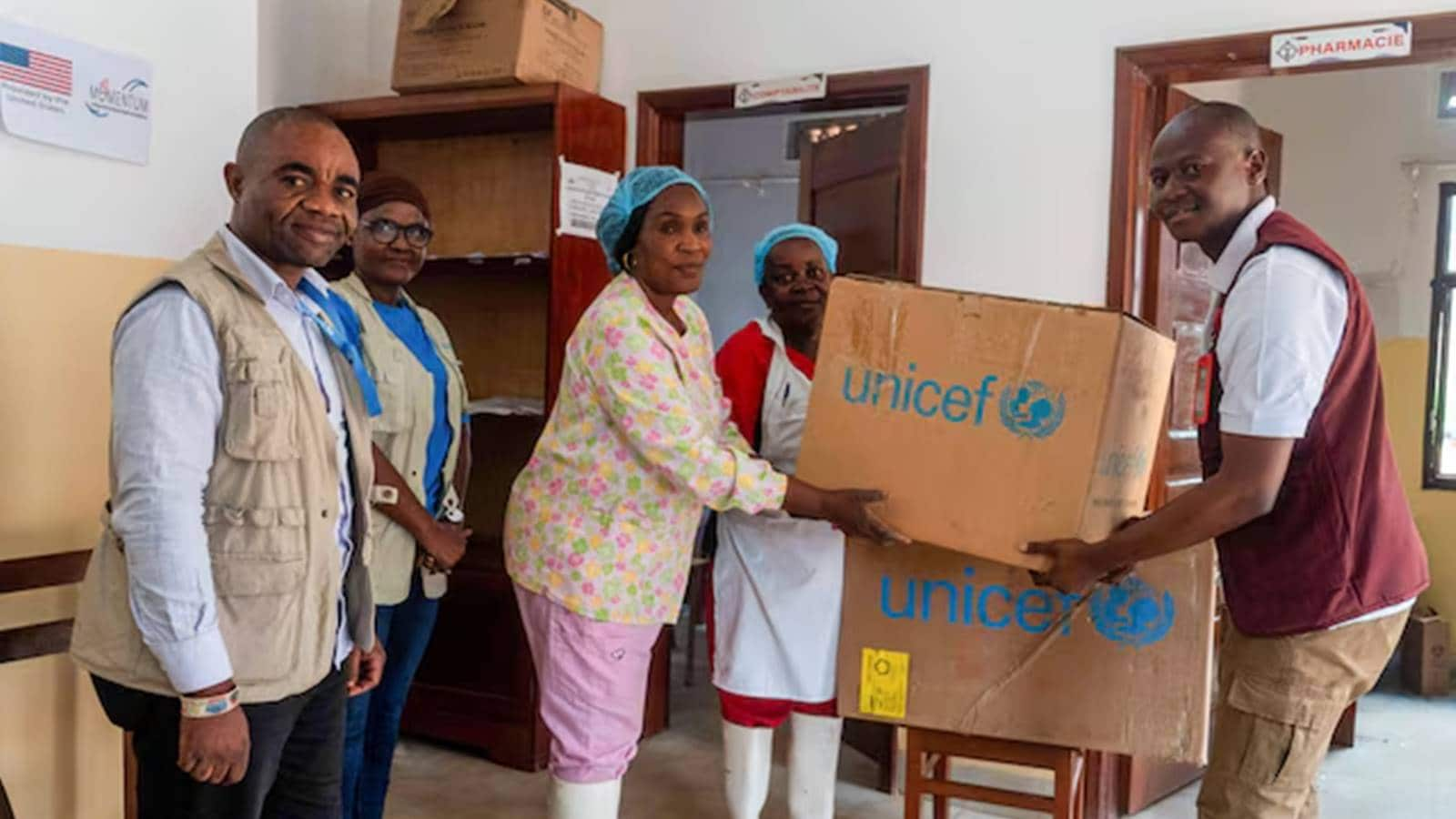
A one-year funding arrangement for maternal and newborn health donations in the world's poorest countries buys time, not durable survival. When Washington ties lifesaving medical supplies and clinical support to a twelve-month horizon, clinics in low-income nations gain immediate relief while confronting a glaring structural cliff on day 366.
Anyone who has watched global aid budgets move through Washington over the past three decades recognizes the pattern. Short-term commitments are politically convenient. They let officials claim decisive action without locking future administrations or later Congresses into multi-year appropriations. Yet maternal and newborn health does not operate on a fiscal calendar. Pregnancy lasts nine months. Training a midwife takes years. Building a cold chain for oxytocin or neonatal resuscitation gear requires steady capital long before the first delivery happens.
A twelve-month deal looks generous in a press release. On the ground in a rural district hospital where power flickers and supply trucks run late, twelve months is barely enough time to unpack crates, orient staff, and start building community trust.
Why Short Horizons Clash With Birth Outcomes
Maternal mortality and neonatal deaths rarely come down to a single missing pill. They cluster where broken roads meet understaffed clinics, delayed referrals, and supply chains that snap whenever donor priorities shift.
Consider a hypothetical example to see how the math works in practice. Suppose a regional health authority receives a one-year allocation of medical commodities and technical assistance aimed at preventing postpartum hemorrhage and birth asphyxia. Month one goes to customs clearance, procurement alignment, and warehouse staging. Months two through four go to distribution and refresher training. By month nine, frontline workers are hitting their stride. By month eleven, clinic directors are already rationing stock and scrambling to find out whether shipment two will arrive before the contract expires.
That stop-start rhythm creates waste that never shows up in headline donation totals. Expired stock sits on shelves when procurement arrives too late in the cycle. Staff trained under a short-term grant drift back to other duties when stipends or supervision end. Even well-intentioned medical donations can strain local capacity if they arrive without spare parts, maintenance agreements, or clear alignment with national essential medicine lists.
In global health, continuity is clinical efficacy. A mother who bleeds out after delivery does not care whether her clinic's supply gap was caused by a budget lapse, a shipping delay, or a twelve-month expiration date.
The Quiet Leverage Built Into Short-Term Aid
There is another side to the one-year clock that polite diplomacy rarely names out loud. Short duration gives the donor maximum negotiating leverage.
When funding renews annually rather than running on a five-year compact, the payer holds the whip hand. Every twelve months brings a fresh review, a chance to attach new reporting rules, redirect funds toward favored vendors, or demand policy concessions from recipient governments. From a bureaucratic standpoint in Washington, annual renewals preserve flexibility and keep oversight tight.
For recipient ministries of health, however, annual leverage often feels like chronic instability. Health planners cannot commit to hiring permanent nurses on a one-year promise. Finance ministries hesitate to integrate temporary donor streams into domestic budgets when they know the money could evaporate next year. Instead of building a unified public system, underfunded ministries end up managing a patchwork of short-lived projects, each with its own forms, priorities, and expiration dates.
There is a legitimate accountability argument behind tight oversight. Taxpayer dollars deserve scrutiny, corruption exists in weak systems, and poor governance wastes lives just as surely as poverty does. Pretending otherwise would be naive. Still, accountability achieved through constant uncertainty carries a steep price in human terms.
Supply Chains Beyond the Donation Crate
Calling a package of supplies a maternal health solution skips half the journey. Getting a syringe, diagnostic kit, or sterile delivery pack from a manufacturer to a labor ward in a remote district is a logistics grind, not a charity drop.
Three bottlenecks trip up donor-backed shipments again and again:
- Last-mile transport: Main highways may connect capitals to major hubs, but dirt tracks wash out in rainy seasons, turning a two-hour transfer into a fatal delay during obstructed labor.
- Cold-chain fragility: Temperature-sensitive medicines and diagnostics lose potency fast when solar backups fail or spare compressors take months to clear port.
- Inventory blind spots: Without real-time stock tracking down to the sub-district level, central warehouses can report surplus while rural clinics run empty.
What Frontline Clinics Actually Need
Ask a district medical officer what breaks first during a surge in complicated deliveries, and the answer is rarely a mystery. It is blood availability, reliable transport for emergency referrals, clean water and light in the delivery room, and enough trained hands on night shifts so one midwife is not covering two wards at once.
Commodity donations can plug acute shortages fast. If a clinic has zero uterotonics or basic newborn resuscitation bags, a well-timed shipment saves lives that week. Yet hardware without human staffing and referral pathways hits a hard ceiling. A clinic cannot perform a safe cesarean or manage severe pre-eclampsia solely because a pallet of supplies showed up at the gate.
Donor Politics and the Poverty Trap
Why do wealthy governments keep reaching for short-term fixes on problems that everyone knows take a generation to solve? Follow the incentives.
Domestic budgets are fought year by year. Lawmakers face constituents worried about costs at home, partisan battles over foreign spending, and pressure to show rapid results for every dollar sent abroad. A one-year deal lets policymakers point to immediate action—lifesaving care delivered to the poorest countries—while sidestepping tough questions about long-term dependency or multi-year fiscal commitments.
At the same time, poorest countries sit inside a brutal trap. Their tax bases are narrow, debt service eats into public revenue, and domestic health spending per person remains a fraction of what is needed to run basic primary care. Relying on foreign aid is risky, yet refusing foreign aid means leaving clinics bare.
Over decades of covering aid negotiations and health budgets, one pattern stands out above all others. Announcements of fresh aid deals generate brief applause in capitals, while the real test happens quietly months later in district hospitals where budgets tighten and routines take over.
Gray Areas Nobody Likes to Admit
Any honest look at global health funding has to grapple with trade-offs that do not fit neatly into slogans.
Multi-year commitments are not a magic wand. Sometimes long-term grants lock in sluggish implementing partners, slow down course corrections when a program underperforms, or reduce urgency around domestic revenue collection. A rigid multi-year contract can ossify bad habits just as easily as a short contract creates whiplash.
Conversely, a one-year deal can work well if it acts as a bridge—say, covering an acute stockout while a multi-year replenishment or domestic budget line comes online—provided everyone treats it as a bridge rather than a permanent operating model. The trouble starts when temporary mechanisms become the default way to run core health services.
There is also the thorny question of procurement sourcing. When donor agreements favor domestic suppliers or specific contracting channels, unit costs can run higher or delivery timelines can stretch longer than local or regional purchasing would require. Speed and cost-effectiveness do not always pull in the same direction.
How to Judge Whether This Deal Actually Delivers
Strip away the diplomatic framing, and judging a one-year maternal and newborn health deal comes down to four concrete tests that will play out over the next twelve months:
- Arrival speed: How quickly do supplies move from factory to port, customs, regional depot, and rural clinic without sitting idle in paperwork?
- Stock continuity: Do clinics experience fewer stockouts of essential maternal and newborn medicines during the active window, and what happens to inventory in month twelve?
- System integration: Are deliveries tracked inside national health reporting systems rather than siloed outside them?
- Post-deal plan: What concrete financing or transition steps exist before the one-year clock runs out?
If those questions go unanswered, the headline will fade long before the clinics feel steady ground. Watch the supply shelves in month ten—that is where every short-term promise proves what it is worth.