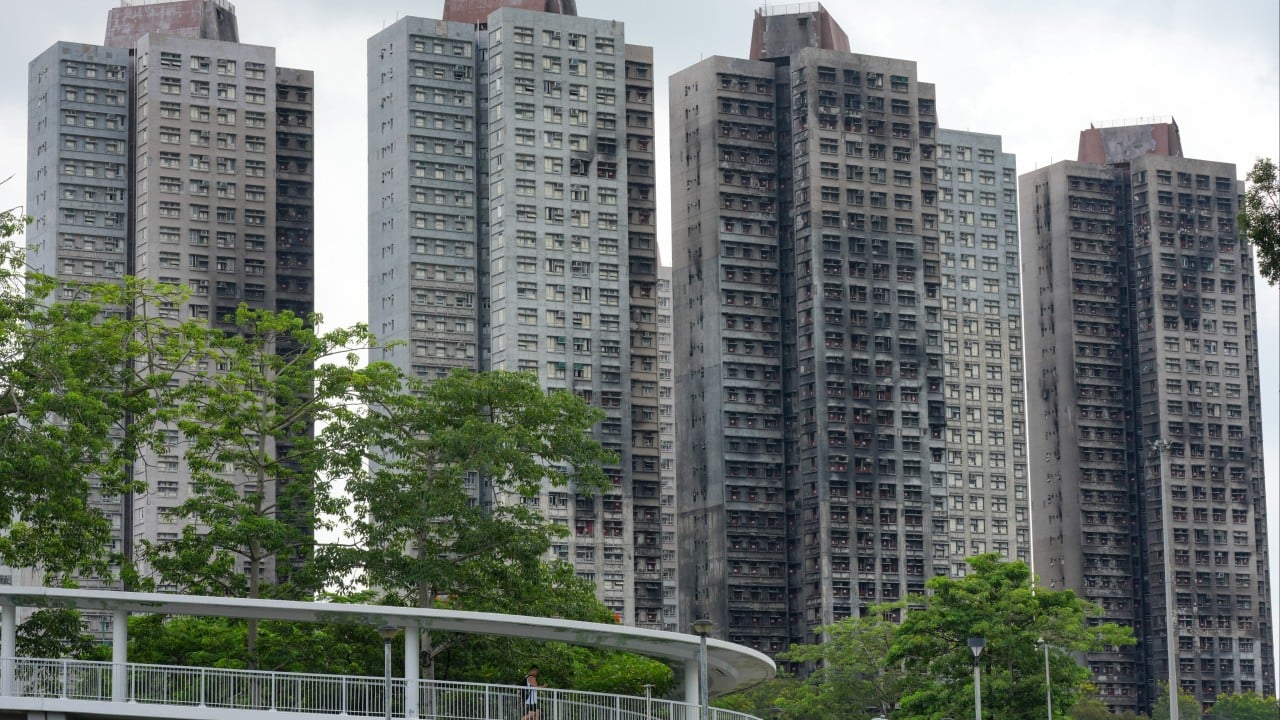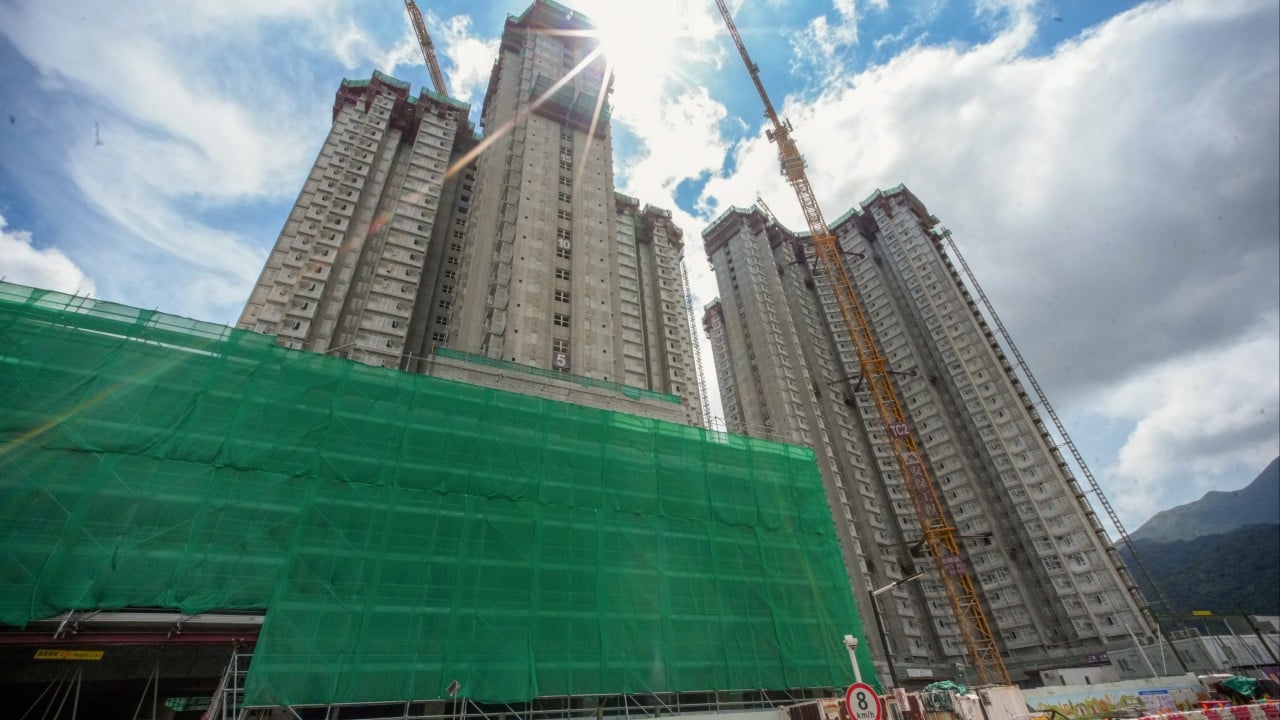
When a luxury residential development carrying a hundred-million-dollar price tag suffers from major structural issues, people notice. Chief Executive John Lee didn't mince words after irregularities surfaced at the high-end One Stanley project in Hong Kong. Reports indicated serious discrepancies regarding steel reinforcement bars in at least one luxury villa, triggering immediate official intervention and forcing authorities to take a hard look at how building oversight actually works on the ground.
Construction shortcuts in luxury developments aren't just technical violations. They shatter public trust in a market where buyers pay astronomical sums for peace of mind. When structural integrity gets compromised at the top tier of the property ladder, it raises obvious questions about what happens on ordinary job sites.
The Anatomy of the One Stanley Investigation
The controversy erupted when inspections pointed to missing or substandard steel reinforcement—commonly known as rebar—at a luxury house within the One Stanley development. Rebar provides the essential tensile strength that keeps concrete from cracking under stress. Skimping on it is a massive gamble with structural safety.
Following the initial findings, the Buildings Department stepped in with a formal investigation. Authorities didn't stop at a single property. They ordered wider checks across additional houses in the project to determine whether these issues were isolated human errors or systemic failures by contractors.
The developer, K Wise (a subsidiary of K&K Property), scrambled to manage the fallout. They offered extended structural warranties and arranged free independent inspections for homeowners. But a warranty doesn't fix structural anxiety, and it certainly doesn't satisfy regulators who are tired of recurring building quality scares across the city.
Why Luxury Projects Keep Failing Quality Checks
You'd think properties fetching nine figures would feature airtight quality control. Yet, recent years have exposed cracks in Hong Kong's construction pipeline across the board, from public housing concrete issues to missing rebar in private starter homes.
How do these defects slip past inspectors? Part of the problem lies in the blind spots of occupation permit approvals. Officials inspect what is visible and accessible during construction phases. Once walls close up and finishes go on, internal structural elements become hidden from view. Developers and main contractors rely on self-regulation, internal auditing, and registered professionals to sign off on day-to-day work.
When subcontractors rush to meet tight deadlines, corners get cut. If supervision lacks teeth, workers might omit reinforcement bars or misplace structural ties, betting that no one will drill into finished concrete to check their work.
The Government Response and Legislative Penalties
Chief Executive John Lee made it clear that the government plans to close these loopholes permanently. The Development Bureau moved swiftly to draft amendments to the Buildings Ordinance. These proposed changes target malpractice and substandard performance head-on by introducing significantly heavier fines and harsher legal penalties for negligent contractors and professionals.
The message from the top is direct: compliance cannot be optional, and penalties must sting enough to deter sloppy execution. Relying on post-scandal apologies and extended warranties won't cut it anymore.
If you're buying property or managing real estate projects in the city, the regulatory landscape is shifting toward strict enforcement. Independent audits and rigorous third-party testing are moving from nice-to-have features to essential safeguards. Keep a close eye on contractor track records, demand transparent engineering reports, and don't assume a high price tag guarantees flawless construction.