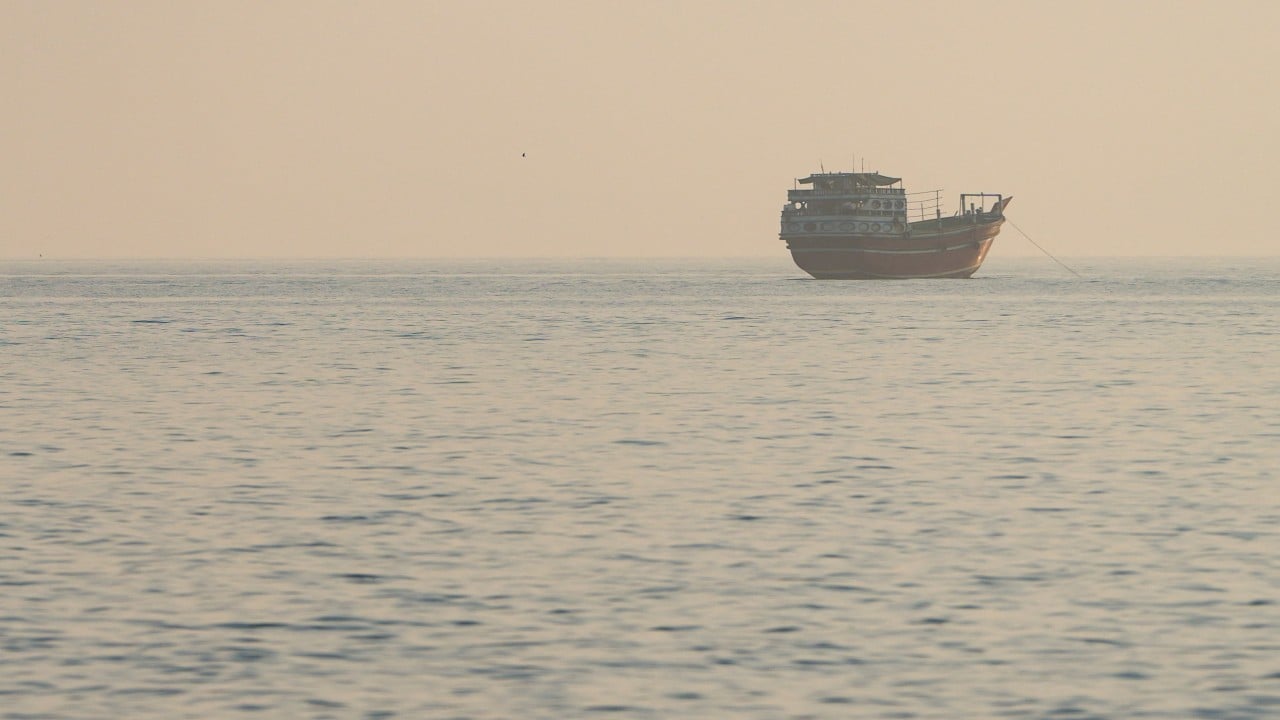
The Strait of Hormuz is the world's most stressful bottleneck. Right now, about one-fifth of global oil and liquefied natural gas moves through this narrow channel. When fighting breaks out between the United States, Israel, and Iran, global energy markets panic instantly.
Oman just stepped up with a clever way out.
The Sultanate of Oman delivered a fresh proposal to Tehran backed heavily by Gulf Cooperation Council states. Instead of handing Iran sole control or forcing vessels to pay mandatory tolls, the plan introduces voluntary fees. It is a diplomatic tightrope walk designed to reopen vital shipping lanes without shattering international maritime law.
Breaking Down the Omani Proposal
Iran wants to manage the strait jointly with Oman and charge commercial ships for passage. Washington demands a complete return to the prewar status quo where every vessel passes for free. Those two positions are completely opposite.
Oman's compromise looks past that deadlock. Under this new framework, Tehran would not exercise exclusive authority over the waterway. Any financial contributions from cargo ships and oil tankers would remain strictly optional.
Think of it like a voluntary environmental fee on an airline ticket. You can choose to pay, but nobody holds your ship hostage at gunpoint if you pass.
The Precedent Behind the Plan
Oman didn't invent this concept out of thin air. The model comes straight from Southeast Asia.
In the Strait of Malacca, Indonesia, Malaysia, and Singapore ask passing ships to make voluntary contributions. These funds go directly toward critical services like navigation aids, environmental protection, and search-and-rescue operations.
Oman wants to apply that exact logic to the Persian Gulf. Iran needs revenue and a sense of administrative dignity, while energy importers need open shipping lanes. A regional management mechanism funded by voluntary contributions could pay for the upkeep of the waterway without breaking international rules.
Why the Stakes Are Massive
The United Nations Convention on the Law of the Sea is clear. Bordering states cannot demand payment simply for transit through international straits. Washington argues that mandatory tolls are completely illegal.
Meanwhile, Iranian officials established a Persian Gulf Strait Authority and opened fire on vessels bypassing their designated channels during previous ceasefires. U.S. President Donald Trump warned that Washington might demand a cut of cargo values if diplomacy fails, creating an even bigger standoff.
Voluntary contributions change the legal and political math. They offer Tehran a face-saving administrative role while reassuring shipowners that they won't face arbitrary taxation or military attacks.
What Happens Next
Iranian leaders are reviewing the proposal. They haven't given a formal green light yet, and military tensions remain high across the region.
If Tehran accepts the Omani framework, global energy traders can finally breathe a sigh of relief. If they reject it, expect the standoff in the Gulf to escalate right back into military conflict. Watch how Tehran responds to the Malacca-style model over the coming days because it will dictate the immediate future of global energy flows.


