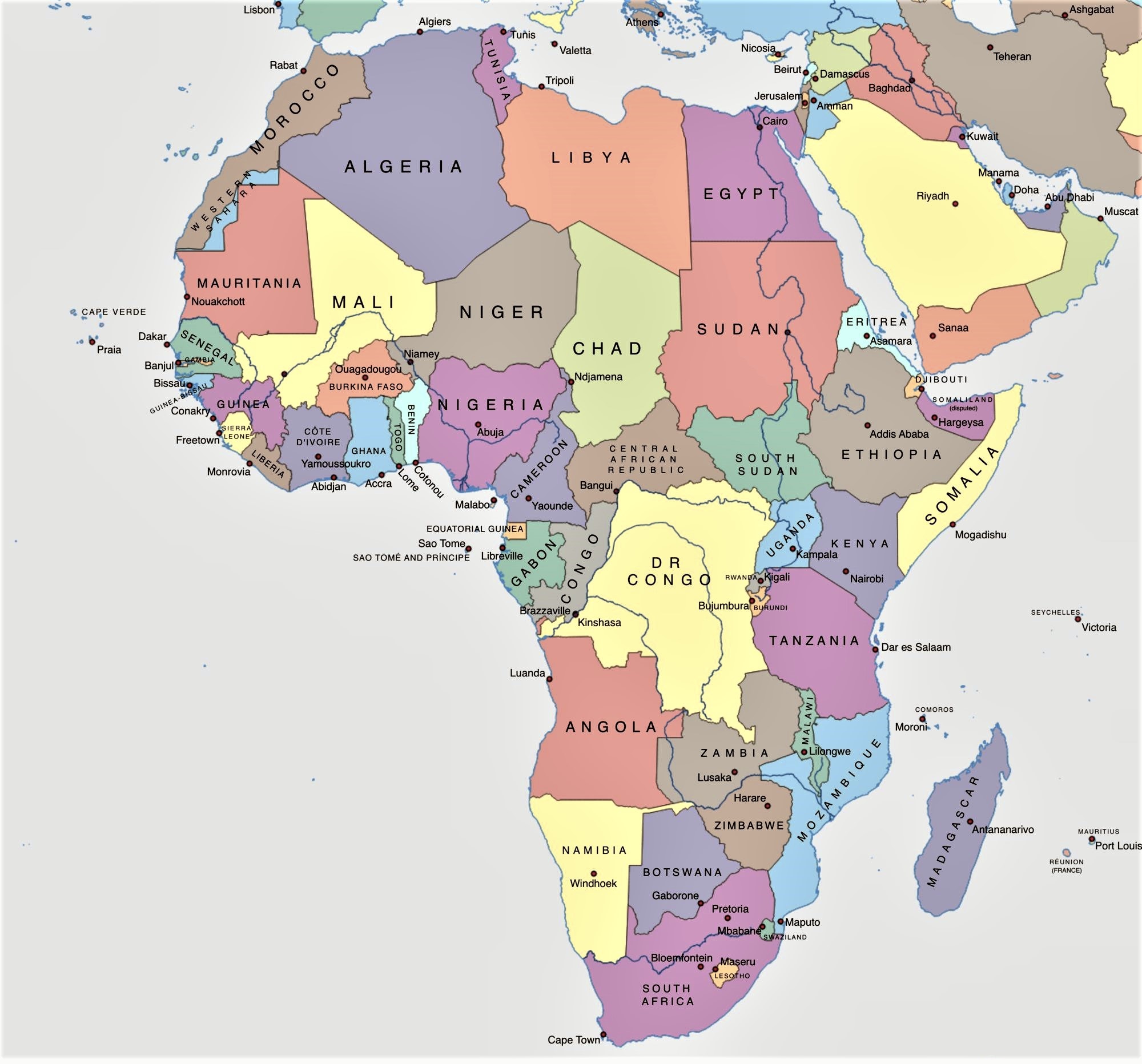
Panic is cheap, but oil futures aren't. Every time a drone strikes a tanker off the Arabian Peninsula, financial media plays the exact same tired script: geopolitical crisis, supply chain collapse, $100 crude, inflation apocalypse.
It is lazy. It is predictable. And it is completely blind to how global energy logistics actually operate. Meanwhile, you can explore other events here: Why Congress Keeps Surrendering Its Power to Stop War With Iran.
The headline screamers see a burning vessel in the Bab el-Mandeb strait and assume energy flows just hit a brick wall. They draw straight lines from tactical maritime friction to global economic ruin. I spent over fifteen years on physical commodity trading desks watching analysts panic over headlines while physical traders quietly made millions betting on the real market mechanics beneath the noise.
Here is the truth nobody wants to print: local supply disruptions do not automatically translate to global supply deficits. The $100 barrel narrative around the Red Sea relies on a fundamental misunderstanding of crude flows, fleet flex, and global inventory buffers. To explore the complete picture, check out the recent article by USA Today.
The Misunderstood Anatomy of the Red Sea Bottleneck
When headlines trumpet that attacks in the Red Sea threaten global crude, they confuse a transit route with a production facility.
The Red Sea is a transit corridor, not an oil field. A missile strike does not erase a single barrel of crude from the earth's reserves. It changes the transit time. It reroutes ships around the Cape of Good Hope. It adds twelve to fourteen days of sailing time and drives up spot tanker rates.
That is a shipping problem, not a supply crisis.
Physical traders call this a freight shock, not an oil shock. When you reroute traffic around Africa, you tie up global shipping capacity—a metric measured in ton-miles. The physical crude still reaches the refinery; it just takes a longer route. The underlying oil market eventually absorbs the freight surcharge, arbitrages adjust, and the temporary premium evaporates.
Treating a freight delay like a permanent loss of physical production is a novice error.
The Hidden Structural Cushion Wall Street Ignores
Financial headlines love simple fear drivers, but they ignore the massive structural counterweights sitting in the physical market.
1. Non-OPEC Production Momentum
While the media focuses on regional conflict zones, production outside OPEC+ has been surging silently. The United States, Guyana, and Brazil have consistently delivered record volumes to the water. This supply overhang acts as a massive shock absorber against regional transit delays.
2. The Floating Storage Buffer
There are millions of barrels of crude sitting on water at any given moment, acting as buffer inventory. When transit times increase, refiners do not run out of crude overnight—they pull from floating storage and commercial stocks while the longer-sailing cargoes finish their voyage around the Cape.
3. Spare OPEC+ Capacity
OPEC+ currently holds millions of barrels per day in shut-in, spare capacity. The cartel's main challenge isn't a lack of supply; it is managing market share against non-OPEC expansion. Any sustained jump to $100 simply incentivizes non-OPEC producers to drill more, eating away at OPEC's market share—a reality the cartel knows all too well.
| Market Narrative | Media Perception | Physical Reality |
|---|---|---|
| Transit Delays | Total loss of crude supply | Temporary ton-mile freight inflation |
| Price Spikes | Structural supply deficit | Speculative paper-market risk premium |
| Refinery Impact | Global fuel shortages | Short-term supply realignment and rerouting |
Why the $100 Narrative Collapses Under Modern Conditions
In the 1970s, an embargo or maritime blockade meant immediate, unbridgeable shortfalls. The global economy was rigid, local, and deeply dependent on single trade paths.
Today's oil market is hyper-malleable. Refineries are built to process specific slates of heavy, medium, or light crude, and global trading desks reroute cargoes in real-time using satellite tracking and dynamic arbitrage modeling.
If crude moving through the Red Sea becomes too expensive due to insurance spikes and longer transit times, Asian refiners simply buy more local Russian, West African, or Middle Eastern barrels via non-impacted routes. Meanwhile, Atlantic Basin crude stays in Europe rather than heading East. The market rebalances itself.
The paper market—hedge funds, algorithms, and speculative momentum buyers—drives the initial price spike to $100. They trade the headline. But physical refiners trade the margin. When crude prices shoot up artificially due to transit fears, refiners slow down their buying because their margins get crushed. Demand at the refinery gate soft-lands, buying pauses, and the paper market is forced to liquidate its long positions at a loss.
I've watched funds lose tens of millions trying to trade headline risk while ignoring physical refinery economics. The paper market can stay irrational for a few weeks, but physical demand dictates the ultimate clearing price.
The Downside to the Contrarian Reality
It would be dishonest to pretend that transit disruptions carry zero risk. Rerouting ships around the Cape of Good Hope isn't free.
It burns extra bunker fuel, drives up maritime insurance premiums, and locks up tanker capacity. Higher freight costs do leak into refined product prices—diesel and gasoline—at the pump. Consumer inflation takes a hit even if raw crude prices normalize.
Furthermore, if a conflict escalates from targeting transit corridors to directly destroying production infrastructure or key processing facilities, the calculus changes completely. A damaged processing plant is actual lost capacity. A rerouted tanker is just a delayed shipment.
Knowing the difference between these two scenarios is what separates profitable macro strategy from emotional panic.
Dismantling the Standard Questions
Doesn't a threat to tankers automatically cut off supply?
No. Threatening a vessel forces a change in navigation paths, not a shutdown of wells. Unless oil wells and processing platforms are destroyed, crude continues to enter the market. The primary bottleneck is shipping logistics and insurance costs, not oil availability.
Won't higher freight costs permanently lock oil above $100?
Freight costs represent a small fraction of the total delivered price of crude. Even a doubling or tripling of VLCC (Very Large Crude Carrier) charter rates adds a few dollars per barrel to the delivered cost—nowhere near enough to justify a permanent $20-$30 geopolitical risk premium on its own.
Should investors buy energy stocks during maritime crises?
Chasing oil equities or long futures contracts during headline-driven price spikes is classic top-buying behavior. The time to allocate to energy assets is when the market is boring and structurally tight, not when algorithm-driven panic has already priced in an apocalyptic scenario that physical fundamentals don't support.
Stop trading headlines. Stop trusting surface-level analysis that treats transit friction like a global supply collapse. Look at the physical market, monitor refinery margins, track floating inventory, and fade the panic every single time.