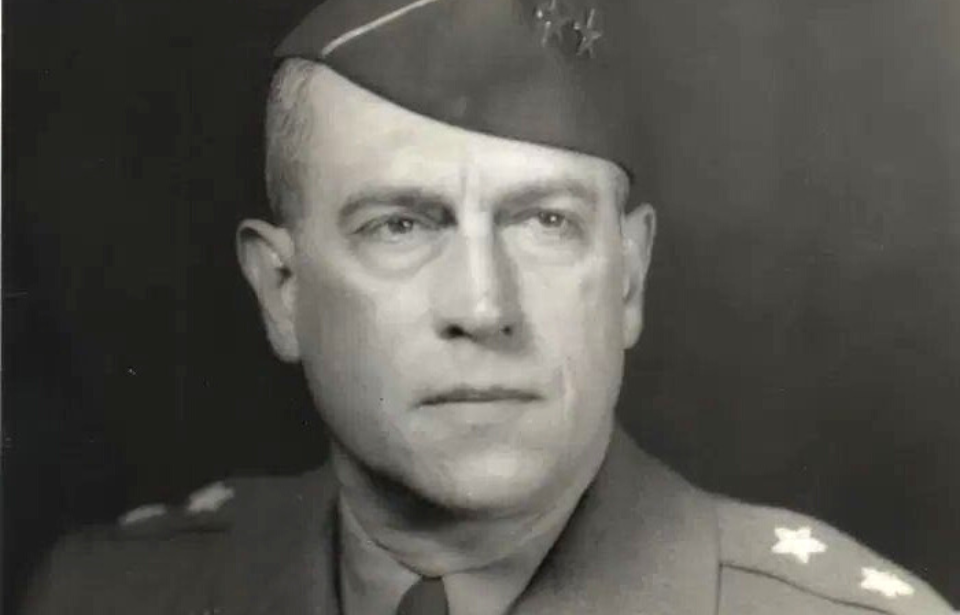
Peter Nygard just pleaded guilty to sexual assault in a Quebec court.
The media is treating this as the final chapter of a fallen tycoon. They are framing it as a triumph of the legal system, a slow but steady march toward justice that proves no one is above the law.
They are entirely missing the point.
This guilty plea isn't the grand finale of an isolated monster. It is a terrifying glimpse into how the apparel industry intentionally engineered a multi-decade corporate blind spot. For forty years, the fashion world did not just ignore the rumors surrounding Nygard; the industry's structural layout actively shielded him.
By focusing solely on the salacious details of Nygard’s personal depravity, standard reporting lets the broader corporate ecosystem off the hook. The real story isn't that Nygard finally confessed. The real story is how the mechanics of private fashion empires allow executives to operate completely insulated from standard corporate governance.
The Myth of the Isolated Rogue Executive
The mainstream narrative relies on a comfortable lie: Nygard was a bad apple operating in secret.
I have spent years analyzing corporate structures in high-margin, founder-led retail environments. Let me tell you how it actually works. In a tightly held, private apparel empire, the founder is not an employee answerable to a board. The founder is the board. The founder is the revenue.
When a single individual controls the supply chain, the real estate leases, and the distribution networks, the company's internal HR and legal departments stop functioning as compliance mechanisms. Instead, they transform into risk-mitigation shields designed to protect the principal asset: the founder's reputation.
Nygard’s Quebec plea involves incidents stretching back decades. To believe that this was an isolated operation requires a level of corporate naivety that borders on the absurd.
- The Funding Echo Chamber: Private equity and traditional banks routinely audit inventory turnover, debt-to-equity ratios, and EBITDA. They rarely audit human capital risk in founder-led firms until a public relations bomb drops.
- The Non-Disclosure Industrial Complex: For decades, the apparel industry used standard severance agreements and non-disclosure clauses to bury complaints before they could trigger criminal investigations.
- The Vendor Omertà: Fabric suppliers, logistics providers, and independent contractors knew Nygard Slims was a massive cash generator. In the low-margin world of garment manufacturing, you do not question the ethics of your largest account.
Why the Fashion Supply Chain is Built for Exploitation
To understand why Nygard operated with impunity for so long, you have to look at the unique geometry of the fashion supply chain. It is an industry built entirely on extreme power imbalances.
At the top, you have the gatekeepers: designers, executives, and modeling agents who hold absolute monopoly over career advancement. At the bottom, you have an endless supply of young, hyper-vulnerable talent desperate for an entry point.
Imagine a scenario where a tech startup executive tried to operate this way. The engineering talent possesses highly portable skills, liquid equity, and immediate recourse through aggressive venture capital oversight. If a tech CEO acts out of line, the institutional money pulls the plug to protect the fund's limited partners.
In private fast-fashion retail, that countervailing force does not exist. Nygard built a vertically integrated empire that controlled everything from manufacturing to retail storefronts. When you own the entire pipeline, you don't face external scrutiny. You dictate reality to your employees. The guilty plea in Quebec is not a victory for internal corporate compliance; it is proof that compliance failed completely until criminal prosecutors stepped in.
Dismantling the PAA Fallacies
Whenever a case like Nygard's dominates the headlines, the public asks the same fundamentally flawed questions. Let's dismantle them one by one.
"Why didn't the company's board of directors step in sooner?"
This question assumes every major fashion brand operates like Apple or General Electric. Nygard Biotech and Nygard International were extensions of Peter Nygard’s personal checkbook. In private, founder-dominated firms, the "board" is often a rubber-stamp committee comprised of family members, dependent executives, and outside counsel paid specifically to find legal loopholes. They didn't step in because their primary fiduciary duty, as they saw it, was to preserve the founder's operational control.
"Will this plea change how fashion brands vet their executives?"
No. It will change how they write their insurance policies. Brands aren't suddenly undergoing a moral awakening. Instead, risk management firms are quietly hiking premiums on key-man insurance policies and demanding stricter morals clauses in executive contracts. The response is financial and defensive, not cultural.
"Does the legal resolution mean the system worked?"
When justice takes forty years to arrive, the system did not work. It stalled. The Quebec plea is a plea of convenience. It avoids a protracted public trial that would have forced a deeper, uglier look into who else turned a blind eye in the Canadian and international fashion establishments.
The Cost of the Contrarian Truth
There is a distinct downside to looking at the Nygard case through this structural lens. It forces us to admit that compliance checklists and corporate social responsibility statements are largely theater.
If you are an investor or an executive looking at a founder-led retail brand today, you cannot rely on clean audit reports. Clean audits just mean the accounting team knows how to balance the ledger. You have to look at the turnover rate of executive assistants. You have to look at the volume of settled legal disputes disguised as administrative expenses. You have to look at whether the founder has built a corporate culture or a cult of personality.
The fashion industry loves to present an image of progressive, forward-thinking enlightenment. But beneath the marketing campaigns lies an operational framework that remains stubbornly feudal.
Peter Nygard's admission of guilt in a Quebec courtroom is a brutal reminder of what happens when an industry values a founder's distribution network over human lives. The court has finally held the man accountable. Now, the market needs to hold the structure accountable.
Stop looking at Nygard as an anomaly. Start looking at him as the predictable result of an industry that treats absolute executive power as a business model.