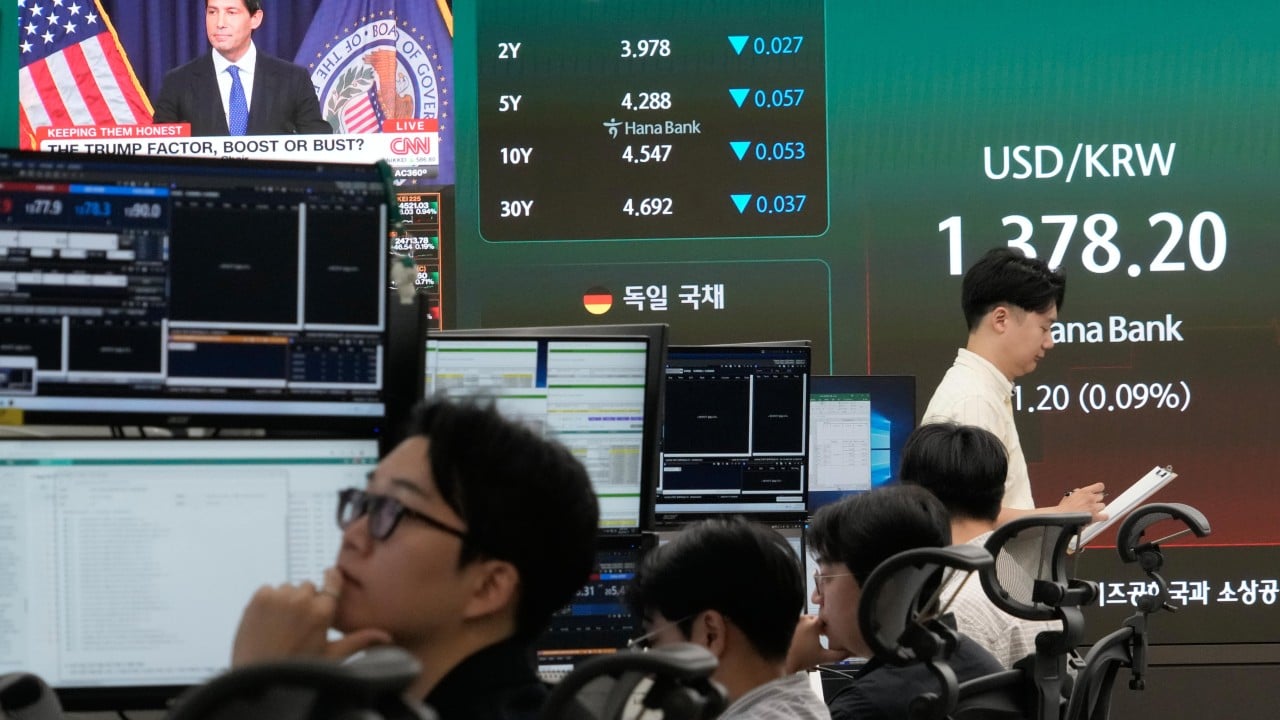
Market watchers love to drown in endless data streams. Every single morning, a fresh avalanche of inflation metrics, employment reports, and central bank speeches hits trading terminals. It is easy to get lost in the noise. But if you strip away the daily market chatter, a handful of concrete data points actually dictate where capital flows, how central banks behave, and which economies are winning or losing.
Four distinct figures currently anchor the entire global macro landscape. From stubborn central bank pricing to massive trade milestones, these numbers explain why your portfolio feels the way it does. You might also find this related coverage useful: The Economics of Energy Rent Extraction An Anatomy of the European Superprofit Levy.
US Fed Rates and Persistent Borrowing Costs
Interest rates set by the Federal Reserve remain the gravitational pull for global finance. When money stays expensive, everything else changes. Right now, market participants are pricing in stubborn realities rather than rapid cuts. Central bankers keep signaling caution because underlying inflation metrics refuse to drop back to target levels.
Higher borrowing costs squeeze corporate margins and force retail consumers to pull back on discretionary spending. If you are running a business or trying to time a major asset purchase, you cannot ignore how dearer money alters valuations. Equity markets built on cheap debt are still adjusting to an environment where cash actually yields a return. As extensively documented in detailed articles by CNBC, the results are significant.
China and the Trillion-Dollar Trade Surplus
On the other side of the Pacific, trade volumes tell a staggering story of industrial output and domestic weakness. China's trade surplus has pushed past the trillion-dollar threshold, driven heavily by high-tech manufacturing, electronics, and automotive exports.
This massive surplus highlights a core imbalance. Domestic consumer demand inside China remains subdued due to a sluggish property sector and cautious household spending. Because local buyers aren't absorbing the supply, factories must ship products abroad. The resulting export flood keeps global goods cheap, but it also triggers fierce trade friction and new tariff threats from the United States and the European Union.
The AI Investment Wave
Technology spending acts as a bizarre counterbalance to slowing traditional trade metrics. Billions of dollars are still pouring into data centers, specialized chips, and power infrastructure to support artificial intelligence expansion.
This single theme props up manufacturing numbers across Asia and tech sector earnings in the US. Yet, it introduces a massive vulnerability. If corporate buyers decide the return on investment for AI is taking too long to materialize, spending could stall overnight. A cooling tech sector would instantly pull down electronics exports and semiconductor pricing.
Energy Price Stability
Amid all the monetary tightening and trade disputes, energy markets have provided a rare cushion. Despite persistent geopolitical conflicts, oil and liquefied natural gas inventories remain relatively comfortable, keeping extreme price spikes at bay.
Cheaper energy relieves some pressure on industrial input costs, preventing inflation from spiraling completely out of control. It is the one variable keeping growth afloat while high interest rates choke off speculative activity.
Understanding these metrics means you stop reacting to daily headline panic and start seeing the structural shifts driving the economy. Keep an eye on how these figures move over the next quarter, because they will dictate your next financial move.
The video above breaks down how these massive trade shifts impact international markets.