Sarah’s thumb hovered over the glass. It was 11:42 PM. The house was quiet, save for the rhythmic hum of the refrigerator and the soft breathing of her eight-year-old son sleeping in the next room. She needed to check her bank balance, transfer money for the morning's grocery run, and verify that her remote work presentation had synced to the cloud.
She tapped the screen. Nothing happened.
A spinning wheel of death appeared, followed by a stark, monochromatic error message: Connection Failed. Server Unreachable.
At first, she felt the familiar prickle of mild annoyance. She toggled the Wi-Fi. She flipped her phone to cellular data. She restarted the device. But the silence from the digital world remained absolute. It wasn't just her home router acting up. Across the street, a neighbor’s porch light—usually a smart bulb programmed to mimic a warm sunset—flickered erratically before dying completely.
This is not a hypothetical scene from a dystopian novel. It is the exact moment a localized cloud outage ripples through a modern neighborhood, exposing the fragile invisible threads that hold our daily existence together. We have traded the tangible, clunky infrastructure of the physical world for a sleek, centralized digital architecture. We call it "the cloud," a poetic term that evokes images of weightless, ethereal freedom.
But clouds are made of water vapor and air. The digital cloud is made of concrete, steel, and ungodly amounts of electricity.
The Concrete Beneath the Ether
To understand why Sarah’s phone went dark, we have to travel away from suburban bedrooms and into the flat, industrial expanses of Northern Virginia, or the chilly plains of Iceland, or the desert outskirts of Phoenix. This is where the cloud actually lives.
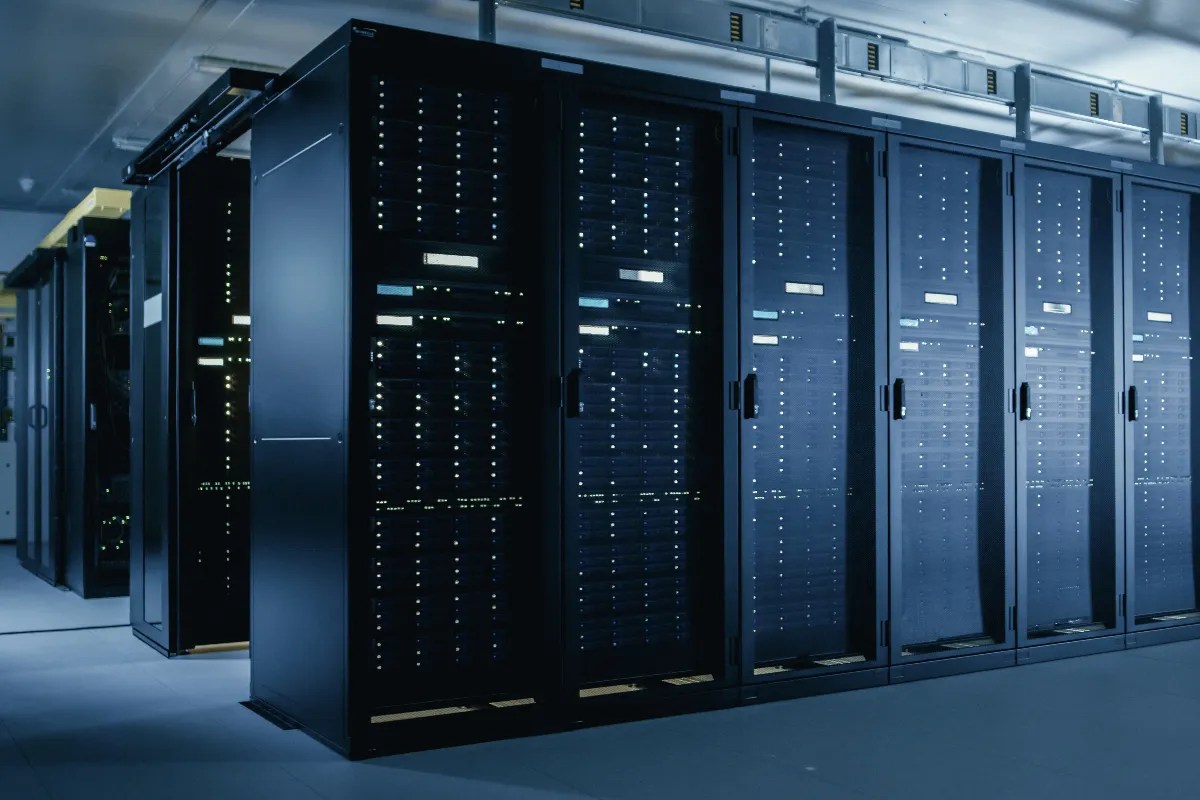
Imagine a building the size of four football fields, windowless and monolithic, surrounded by razor wire and guarded by biometric security. Inside, thousands of black metal racks stretch toward the ceiling, housing millions of blinking server blades. The sound is deafening—a relentless, high-pitched roar from thousands of cooling fans fighting a losing battle against the heat generated by human desire. Every time someone streams a video, sends a meme, or checks a medical record, a tiny spark of electricity darts through these physical corridors.
We live under the illusion that our data is everywhere. In reality, it is in a very specific, highly vulnerable place.
According to data center market analyses, a staggering 70% of the world’s internet traffic flows through a single county in Northern Virginia. Think about that. Nearly three-quarters of our collective digital lives—our memories, our financial systems, our corporate secrets, our automated home security—relies on the uninterrupted power supply of a few square miles of American soil.
When a backhoe cuts a fiber-optic cable during a routine highway expansion, or a localized software update carries a single line of corrupted code, a domino effect begins. The physical reality of the internet asserts itself with brutal clarity.
The Illusion of Individual Control
We love to believe we are independent agents navigating a customized digital world. We select our apps, curate our feeds, and secure our smart homes with personalized passwords.
But consider what happens when the central nervous system falters.
When Sarah’s connection snapped, she didn't just lose access to her cat videos. She lost the ability to unlock her front door, which relied on a smart lock tethered to a server three states away. She couldn't check if her son’s asthma medication prescription had been sent to the pharmacy because the hospital's electronic health record system was hosted on the same compromised server network.
We have built a lifestyle of radical convenience on a foundation of radical dependency.
Decades ago, if a local bank branch closed for the night, the money in your wallet still worked. If your television went fuzzy, your landline telephone still dialled. The systems were fractured, localized, and resilient through isolation. Today, we have achieved a beautiful, terrifying centralization. Every device speaks to the same handful of corporate servers. When those servers choke, the entire ecosystem gasps for air.
It is a psychological bait-and-switch. We bought into the digital revolution because it promised empowerment. Instead, it delivered an unprecedented vulnerability.
The Friction of a Physical World
The true cost of this shift isn't measured in gigabytes or server downtime. It is measured in human anxiety.
The morning after the outage, Sarah woke up early. The internet was back, but the ghost in the machine had left its mark. She felt an unfamiliar urge to look at her surroundings differently. She walked to the kitchen and looked at the calendar on the wall—the old-fashioned paper kind with the faded ink. It was the only thing in her house that hadn't required a handshake with a server in Virginia to tell her what day it was.
We are beginning to witness a quiet, counter-cultural yearning for the analog. It isn't just nostalgia for vinyl records or film cameras; it is a primal desire for permanence. People are buying physical books again because a digital book can be deleted from a device by a publisher without warning. People are keeping cash in their drawers because plastic cards fail when the network degrades.
This isn't paranoia. It is a rational response to an irrational level of centralization.
The tech industry spends billions of dollars trying to erase friction from our lives. They want shopping to be automatic, driving to be autonomous, and thinking to be assisted. But friction is often where human resilience hides. When you have to manually turn a key, write down a note, or look at a paper map, you are engaging with the immediate physical reality of your environment. You are in control.
Balancing on the Edge of the Blade
The solution is not to discard our smartphones and retreat to the woods. The digital world has given us miracles—instantaneous global communication, democratized access to information, and medical coordination that saves lives daily.
But we must abandon the myth of the weightless cloud.
We need to design our lives with a healthy skepticism of absolute connectivity. True digital literacy is knowing when to unplug the system before the system unplugs you. It means demanding that companies build local-first software—systems that allow your smart home to function within your own four walls even if the rest of the world goes dark. It means keeping a paper copy of your most vital documents. It means remembering the phone numbers of the people you love.
As Sarah sat at her kitchen table, sipping coffee, she watched her son wake up. He didn't reach for a tablet. Instead, he grabbed a box of wooden blocks and began stacking them on the rug, one by one, testing the gravity, feeling the weight, completely indifferent to the status of the servers across the continent.
The tower fell with a sharp, satisfying clatter. He laughed, picked up the blocks, and began to build again.