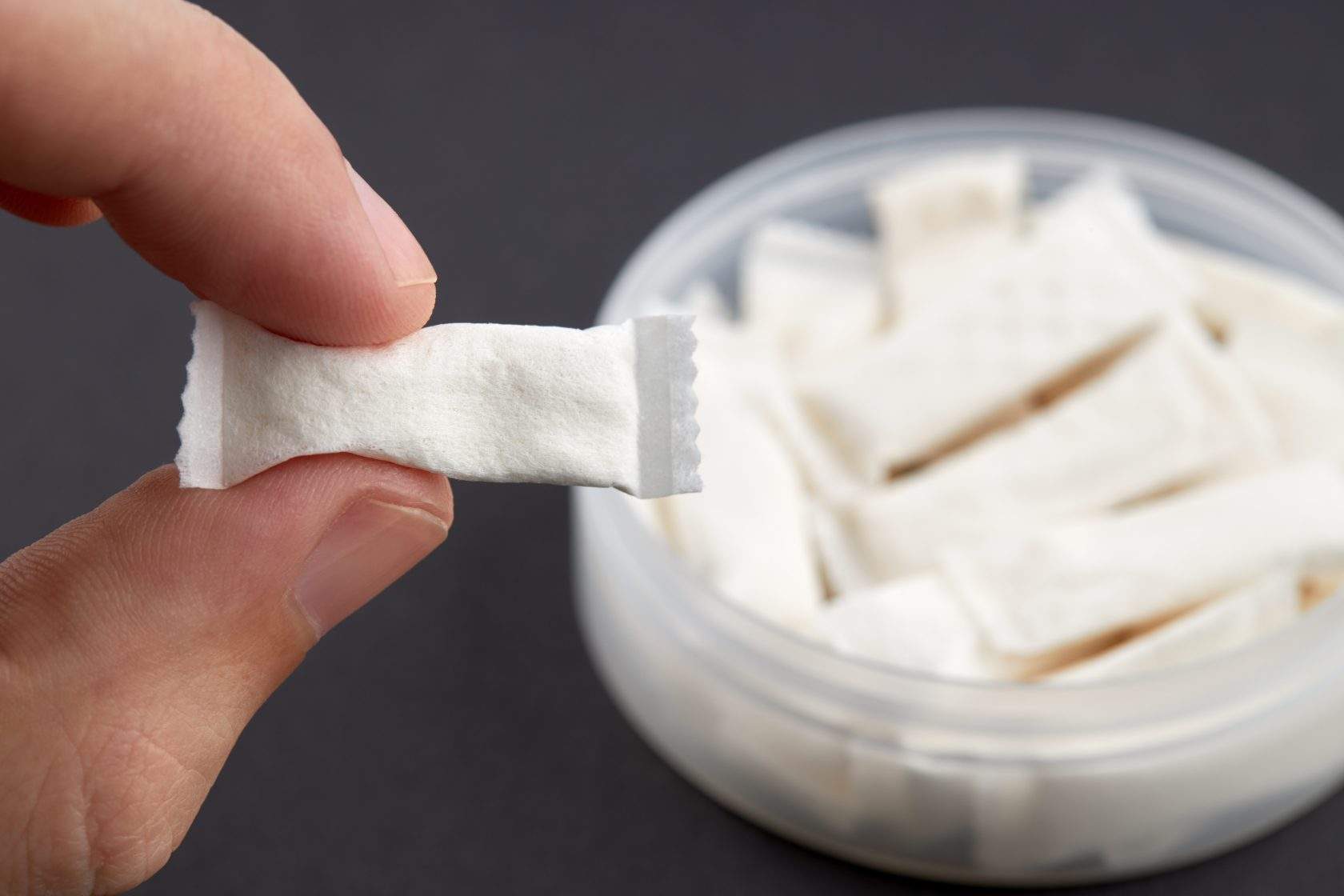
Walk into any gas station or corner store right now and you'll see them. Bright, colorful little plastic pucks stacked right at eye level behind the counter. They look like mints or fancy chewing gum, but they aren't. They're nicotine pouches, and they've quickly become the fastest-growing trend in the nicotine universe.
The World Health Organization just dropped a massive reality check on this booming market. In its first-ever global report tracking these products, the WHO explicitly warned that manufacturers are using aggressive, deceptive tactics to hook a brand-new generation of users.
If you think this is just a harmless alternative for smokers trying to quit, you're missing the bigger picture. The numbers don't lie. In 2024, retail sales of nicotine pouches exploded past 23 billion units. That's a massive 50% jump from the previous year. By 2025, the global market valuation neared $7 billion, with North American consumers driving nearly 80% of that revenue.
This isn't an accident. It's a calculated corporate pivot. As traditional cigarette sales continue to slide, big tobacco firms are frantically expanding their menus of addiction.
The Anatomy of a Modern Nicotine Trap
Let's look at how these things actually work and why they fly under the radar so easily. Nicotine pouches are small, white, smokeless sachets that users tuck between their upper lip and gum. They don't contain tobacco leaf, but they're packed with nicotine, flavorings, sweeteners, and plant-based fibers.
Because there's no smoke, no vapor, and no smell, they're completely invisible. Teenagers are using them in classrooms, during family dinners, and on public transit without anyone noticing. The industry calls it "discreet convenience." Public health officials call it a nightmare.
The marketing playbook looks incredibly familiar because we've seen it all before with vapes. Here's how brands are drawing in young people.
- Candy Flavors: We aren't just talking about basic mint anymore. Brands are pumping out pouches tasting like bubble gum, gummy bears, and even alcohol-inspired variations like Mojito and Gin & Tonic.
- Sleek Packaging: The containers look like trendy lifestyle accessories. Some brands even use packaging that deliberately mimics popular candy brands, posing a major risk to younger children who might ingest them.
- Influencer Culture: Tik Tok and Instagram are flooded with lifestyle content showing attractive young creators popping pouches. It normalizes the habit, turning a highly addictive chemical into a cool social media trend.
- High-Profile Sponsorships: Big brands like Zyn and Velo are pouring millions into sponsoring Formula 1 racing teams like Ferrari and McLaren. F1 is actively expanding its youth fanbase through partnerships with Lego and Disney, meaning these ads hit millions of kids directly.
What Nicotine Does to a Developing Brain
The industry loves to pitch these pouches as a "clean" or "risk-free" alternative. Don't buy the hype. Nicotine is highly addictive, no matter how it enters your body.
When a young person pops a pouch, the nicotine absorbs directly through the lining of the mouth straight into the bloodstream. It hits the brain fast. For children, adolescents, and young adults under 25, this chemical exposure is incredibly damaging.
Human brains don't stop developing until the mid-20s. Introducing a potent stimulant like nicotine during this critical window literally rewires the brain's neural pathways. It messes with attention spans, disrupts learning capabilities, and spikes anxiety levels. It also primes the young brain for long-term dependence, making it much easier to transition to traditional cigarettes or heavy vaping down the line.
The physical health risks are just as real. Nicotine triggers the sympathetic nervous system, causing a sudden rush of adrenaline. This elevates the user's heart rate, constricts blood vessels, and raises long-term cardiovascular risks.
While an average pouch contains roughly 9 milligrams of nicotine, toxicological testing has uncovered extreme chemical concentrations in certain unregulated brands. Some tiers scale up to a terrifying 150 milligrams per pouch. If a young child accidentally finds and swallows one of these high-strength pucks, that acute dose could easily be lethal.
The Global Regulatory Void
The biggest reason sales are skyrocketing is simple. The law hasn't caught up. Right now, a massive regulatory vacuum exists worldwide.
According to the WHO report, roughly 160 countries currently have zero specific laws or frameworks on the books to govern nicotine pouches. Only 16 countries have banned them outright, and just 32 actively regulate them in some form.
Look at how weak the current protections are globally.
- Only 5 countries place strict restrictions on pouch flavors.
- Only 26 countries explicitly prohibit sales to minors.
- Only 21 countries completely ban pouch advertising, sponsorships, and promotions.
In places like Canada, the battle lines are already drawn. Federal rules currently dictate that pouches can only be sold behind pharmacy counters, with only one brand, Zonnic, legally authorized by Health Canada. Yet local provincial leaders and store owners are actively pushing the government to relax these rules to capture more market share.
Meanwhile, data from the Tobacco Epidemic Evaluation Network (TEEN+) study shows how bad the problem can get when left unchecked. In the United States, nicotine pouch use among youth and young adults nearly quadrupled between 2022 and 2025. Mint and sweet fruit flavors dominate the sales charts, proving that young people aren't looking for a smoking cessation tool—they're looking for a buzz that tastes good.
How to Handle the Threat
We can't rely on the tobacco industry to self-regulate. They want a new generation of lifetime customers, and these pouches are delivering exactly that. If you're a parent, educator, or policymaker, it's time to take concrete action.
If you suspect a teenager in your life is using these products, look for subtle signs. Watch out for discarded small round plastic cans, unusual irritability or anxiety, or a sudden habit of frequently adjusting something under their top lip. Talk to them openly about how the industry uses flashy packaging and social media hype to manipulate them.
On a larger scale, governments must step up and close the legal loopholes immediately. The WHO is calling for a specific roadmap to fix this mess.
- Implement Strict Flavor Bans: Ban the bubble gum, berry, and dessert variations that are clearly engineered to attract kids. Stick to basic tobacco flavors for adults who genuinely use them to quit smoking.
- Enforce Plain Packaging: Strip away the bright colors and cool lifestyle branding. Force companies to use plain packaging with large, graphic health warnings that expose the real risks.
- Cap the Nicotine Levels: Establish hard legal limits on the maximum amount of nicotine allowed per sachet to eliminate dangerous high-strength tiers.
- Ban Digital Promotion: Cut off the supply chain of cool. Ban influencer marketing, social media advertisements, and sports sponsorships that put these products in front of underage audiences.
- Raise Taxes: Hike up retail taxes on these products. Increasing the price tag is one of the most effective ways to lower affordability and discourage teenagers from starting in the first place.