Geopolitics has a way of turning routine bureaucratic exercises into dangerous high-stakes standoffs. Look no further than the waters just east of Taiwan.
When Philippine President Ferdinand Marcos Jr. met Japanese Prime Minister Sanae Takaichi in Tokyo, they announced something that sounded incredibly dry. The two nations decided to launch formal negotiations to delimit their overlapping maritime boundaries, focusing on their Exclusive Economic Zones (EEZs) and continental shelves.
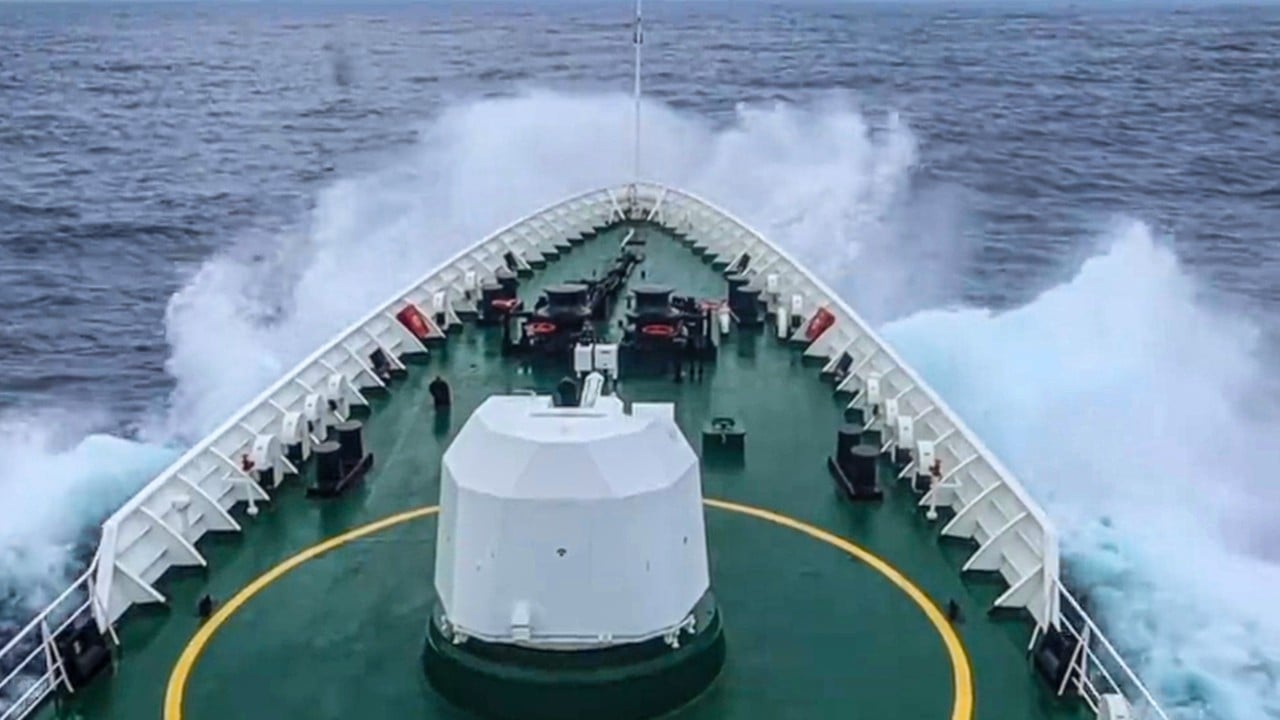
It sounds like a standard legal cleanup. But Beijing reacted instantly, sending a coast guard flotilla to stage "law enforcement" patrols directly east of Taiwan. The Chinese Foreign Ministry quickly declared the Tokyo-Manila talks completely illegal, null, and void.
This isn't just about fish or underwater rocks. Beijing’s fierce reaction reveals a deeper anxiety about how its neighbors are systematically fencing in its regional ambitions. For Taiwan, caught squarely in the middle of this geographic triangle, the situation is incredibly complicated.
The Geography of a Maritime Collision Course
To understand why everyone is losing their cool, you need to look at a map. The Bashi Channel separates Taiwan from the northernmost islands of the Philippines. Meanwhile, Japan’s southwestern island chain stretches down toward Taiwan’s northeastern coast.
When Japan and the Philippines draw 200-nautical-mile EEZ lines from their respective coasts, those zones inevitably smash into each other right in the Pacific waters stretching out from eastern Taiwan.
[Japan's Ryukyu Islands]
          |
          v
    [Waters East of Taiwan]  <-- The Disputed EEZ Intersection
          ^
          |
[Philippine Bashi Channel]
Beijing views the entire area through a proprietary lens. Because China claims democratic Taiwan as its own territory, it naturally claims that the waters east of the island belong to its own maritime jurisdiction. When Tokyo and Manila sit down to carve up the map, Beijing sees it as a direct assault on its sovereign claims.
But there is a twist that most observers miss. Taipei isn't exactly celebrating the talks either.
Taipei’s Uncomfortable Balancing Act
The initial reaction from Taiwan's Ministry of Foreign Affairs was positive, praising the two nations for choosing peaceful dialogue rooted in international law. That friendly tone didn't last. Domestic pressure inside Taiwan built up rapidly.
The opposition Kuomintang party slammed the government's stance, calling it humiliating. Their argument is simple. If Japan and the Philippines draw a border through an area where Taiwan also has legitimate, overlapping EEZ claims, Taiwanese fishermen could easily get squeezed out. The livelihood of local fishing communities is a massive domestic political issue.
Taipei quickly pivoted. The foreign ministry dispatched messages to its representative offices in Tokyo and Manila, demanding formal assurances that any future boundary agreement will not infringe upon Taiwan’s sovereign rights under international law.
Japanese Chief Cabinet Secretary Minoru Kihara tried to de-escalate the anxiety, publicly noting that any maritime boundary deal struck between Tokyo and Manila wouldn't be legally binding on third parties. But the geopolitical reality is far messier than legal definitions.
The Real Reason Beijing is Terrified
Beijing’s aggressive coast guard deployment isn't just an angry tantrum over legal paperwork. It is a direct response to a rapidly tightening strategic noose.
Over the last few years, Japan and the Philippines have moved remarkably close. They ratified a Reciprocal Access Agreement, allowing their militaries to train on each other's soil. They signed an Acquisition and Cross-Servicing Agreement for military logistics. Tokyo is even transferring Abukuma-class destroyers to the Philippine Navy.
By adding maritime border negotiations to the mix, Tokyo and Manila are effectively trying to formalize a continuous legal and security wall. If they successfully draw a clear maritime border, it creates a unified front based on the United Nations Convention on the Law of the Sea.
This completely scrambles Beijing’s strategic playbook for a potential Taiwan conflict.
In a military crisis, China wants total control over the waters east of Taiwan to cut the island off from US and allied resupply efforts. If Japan and the Philippines firmly lock down their maritime boundaries right in that specific corridor, it makes it much harder for Chinese state vessels to operate freely without triggering a massive international incident.
What Happens Next
Watch the actual path of the Chinese coast guard vessels. Beijing will likely use its "law enforcement" patrols to physically assert presence in the exact waters Japan and the Philippines are trying to negotiate. By flooding the zone with ships, China wants to make the area look too volatile for peaceful diplomatic mapping.
Keep a close eye on Taiwan’s back-channel diplomacy. Taipei has separate, functional fishing agreements with both Japan and the Philippines. Taiwanese diplomats must now quietly ensure that whatever Tokyo and Manila agree on behind closed doors doesn't quietly erode those existing fishing access rights.
Pay attention to how the US supports these talks. Washington wants its regional allies working together, but it also cannot afford to see Taiwan cut out of the loop or politically marginalized by its own partners.
If you want to track where this goes, don't just read the official press releases from Tokyo or Manila. Watch the ship tracking data in the waters east of Taiwan. That is where the real map is being drawn.