The World Health Organization just sounded the alarm louder. On Friday, the UN health agency officially bumped its national risk assessment for the Democratic Republic of Congo from high to very high. WHO Director-General Tedros Adhanom Ghebreyesus made it clear that this isn't a slow-burning problem anymore. The virus is spreading rapidly through the eastern part of the country.
If you feel like you've read this headline before, you're missing the terrifying detail that makes this specific emergency different. This isn't the standard Ebola Zaire strain we've spent the last decade building defenses against.
It's the Bundibugyo strain.
Right now, there are no approved vaccines for it. There are no approved targeted treatments. The highly effective Ervebo vaccine used to crush previous outbreaks does absolutely nothing here. We're fighting a brutal virus with our hands tied behind our backs, relying almost entirely on old-school isolation and basic supportive care.
The Numbers Tell a Dangerous Story
When you look at official government data during a viral outbreak in a conflict zone, you have to read between the lines. The confirmed counts are just the tip of the iceberg.
The official tally sits at 82 confirmed cases and seven confirmed deaths in the DRC. But the WHO openly admits the real crisis is far larger. Local health teams have flagged nearly 750 suspected cases and 177 suspected deaths that couldn't be formally tested before burial.
The virus has also crossed the border. Neighbors in Uganda are on high alert after two travelers from the DRC tested positive in Kampala. One of them has already died. While the WHO keeps the global risk level at low and the regional risk at high, the situation on the ground inside the DRC is threatening to spiral out of control.
Why Containment is Failing on the Ground
It's easy to look at an outbreak from an office in Geneva or Washington and wonder why health teams can't just isolate the sick and trace their contacts. In eastern Congo, specifically Ituri province, that textbook strategy falls apart.
Violence and Forced Movement
Ituri is home to massive internal displacement. Right now, more than 920,000 people are living in temporary camps or constantly moving to escape armed rebel groups. When people are fleeing for their lives, they don't stay in one place long enough for a contact tracer to track them for the required 21-day incubation window.
Deep Structural Mistrust
Decades of conflict and broken promises have left local communities deeply suspicious of outside authority. When health workers show up in white biohazard suits, telling families they can't touch their dying relatives or perform traditional burials, it doesn't look like medical aid. It looks like state-sanctioned violence.
Just this Thursday, a crowd in the town of Rwampara set fire to a local Ebola treatment center. The riot started after medical staff refused to release the body of a deceased man to his family. To the community, denying a proper burial is a profound insult. To the doctors, letting a highly contagious body leave the facility means a dozen new infections.
The Medical Reality of the Bundibugyo Strain
Ebola isn't a single disease. It's a genus of viruses with different species. The Zaire strain gets the most press because it causes massive outbreaks with staggering mortality rates. Bundibugyo is rarer, but it's no less devastating.
You catch it the same way: direct contact with blood, vomit, feces, or semen of an infected person. It starts with generic symptoms that look exactly like malaria or typhoid, which are already rampant in the region:
- Sudden high fever
- Intense muscle pain and fatigue
- Severe headache and sore throat
As the virus multiplies, it destroys the body's ability to clot blood. Patients progress to vomiting, explosive diarrhea, and in severe cases, internal and external bleeding.
Because we don't have a targeted weapon like the Zaire monoclonal antibody treatments, doctors have to try experimental options. WHO Chief Scientist Sylvie Briand noted that health teams are looking into an antiviral drug called Obeldesivir. They hope to use it among close contacts of patients to stop the virus from replicating before it causes full-blown disease. Clinical trials for other experimental treatments and potential vaccines are rushing to get off the ground, but setting up strict scientific trials in the middle of an active war zone is an logistical nightmare.
Global Reaction and Traveling Restrictions
The world is starting to react, even if the general public hasn't fully woken up to the threat yet. The United Nations just dropped $60 million from its Central Emergency Response Fund to flood eastern Congo and neighboring countries with resources. The US government chipped in $23 million and promised to help fund up to 50 specialized treatment clinics.
International travel is already getting squeezed. The US government implemented strict restrictions on anyone who has been in the DRC, Uganda, or South Sudan within the last three weeks. Foreign nationals with that travel history are barred from entry. US citizens and permanent residents are being funneled directly through Washington Dulles International Airport for intensive health screenings.
The panic is hitting local infrastructure too. Congo's national soccer team just canceled its entire World Cup preparation camp and a massive farewell event in the capital city of Kinshasa. Nobody wants to risk gathering thousands of people in one place.
Real Next Steps for Travelers and Clinicians
If you have ties to East Africa, travel frequently for humanitarian work, or manage frontline medical triage, you can't afford to treat this like a distant news story.
For Healthcare Providers
- Triage aggressively: Ask every single patient with a fever about their international travel history over the past 21 days. Don't assume a negative malaria test means they're clear. Co-infections happen.
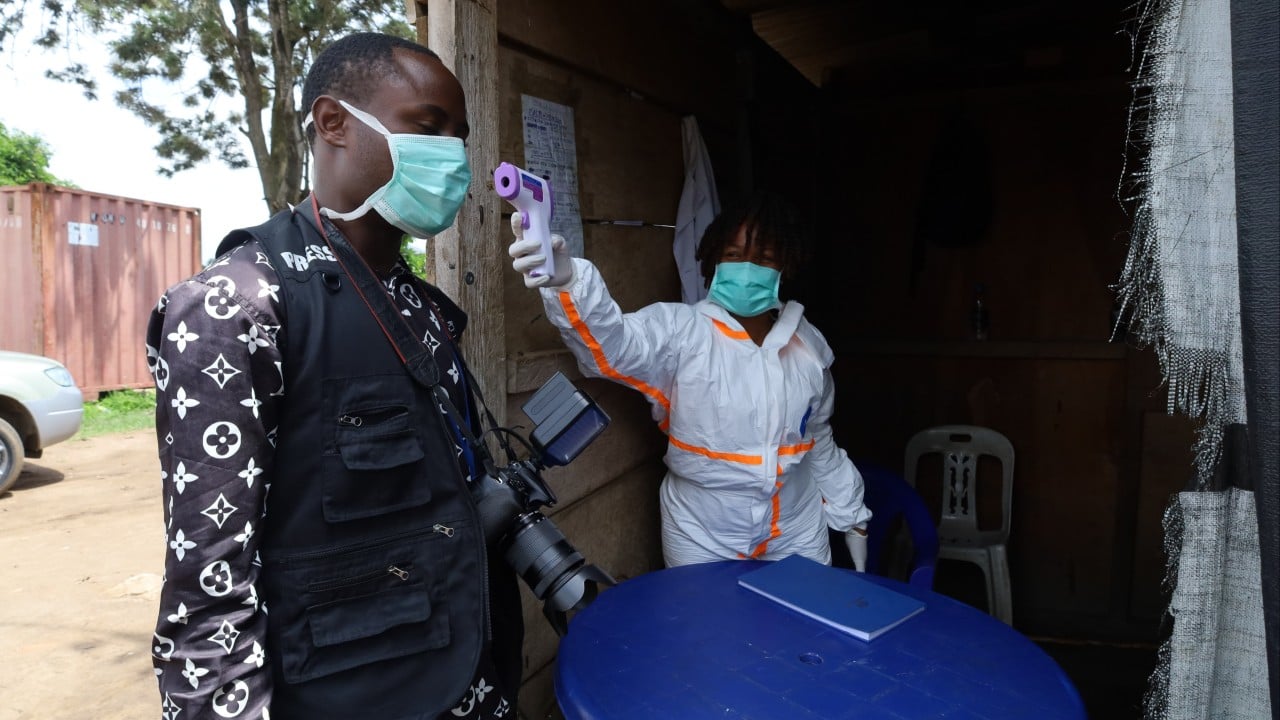
- Isolate first, ask questions later: If a patient shows up with compatible symptoms and a history of travel to Ituri or North Kivu, put them in a private room immediately. Do not wait for lab results to put on personal protective equipment.
- Test twice if needed: If you test a suspected patient less than 72 hours after their symptoms start and it comes back negative, keep them isolated. You need to run a second test after the 72-hour mark to be absolutely sure.
For Individuals on the Ground or Traveling
- Avoid funeral rituals: Traditional practices that involve washing or touching the body of someone who died of an unexplained illness are the fastest way to contract the virus. Let trained, protected burial teams handle it.
- Steer clear of wildlife: Bundibugyo, like other strains, lives in wild reservoirs. Avoid fruit bats, forest antelopes, and any raw or undercooked bushmeat.
- Monitor for 21 days: If you return from an affected zone, watch your temperature daily. If you develop a fever, call your local health department or hospital before you walk into the emergency room so they can prepare an isolation space.