Political stability is rare in modern Europe. Italy just shattered its own historical mold, and New Delhi took immediate notice.
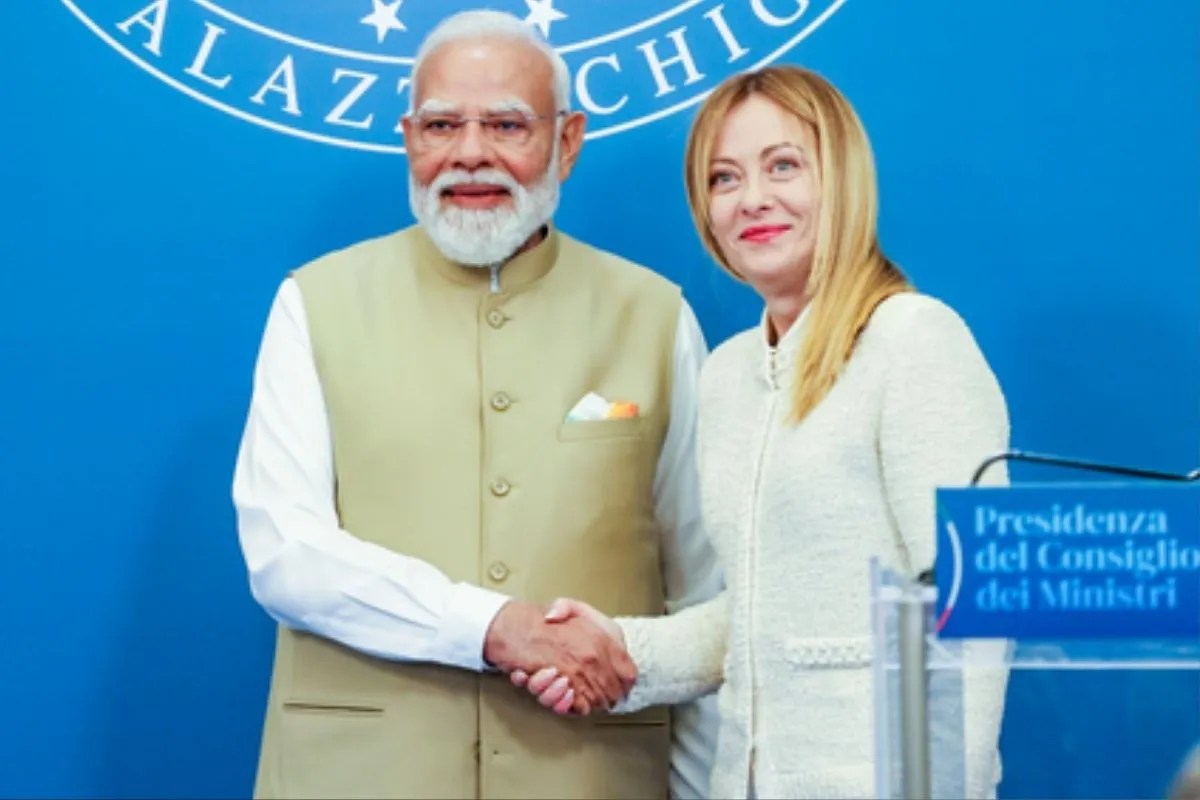
When Italian Prime Minister Giorgia Meloni crossed a major postwar governance milestone, Prime Minister Narendra Modi didn't just send a standard diplomatic note. He reached out publicly, calling her a friend and cementing a geopolitical alignment that few analysts predicted a few years ago. Meloni fired back with an equally warm public response, declaring that bilateral ties are stronger than ever. If you enjoyed this post, you should read: this related article.
If you think this is just social media pleasantries between two prominent heads of state, you're missing the bigger economic and strategic picture.
Breaking the Postwar Curse
Italy is notorious for political musical chairs. Governments crumble there with frustrating regularity. Yet, Meloni managed to hold her coalition together to become the longest-continuously serving postwar prime minister in Italy, eclipsing former leader Silvio Berlusconi's previous record. For another look on this development, check out the latest coverage from Al Jazeera.
Hitting 1,413 consecutive days in office isn't just about survival. It signals a rare baseline of domestic predictability. For India, dealing with a stable Italian administration changes everything. Long-term trade pacts and defence agreements require reliable counterparts who won't vanish after the next cabinet collapse.
PM Modi recognized this shift directly, noting that her record reflects deep public trust. That trust translates directly into foreign policy continuity.
Beyond the Headlines of Digital Memes
Internet culture loves a catchy hashtag. Social media users coined the term "Melodi" after a casual selfie at a global climate summit went viral. Memes followed. Even the leaders themselves have leaned into the internet chatter with self-aware humor during international summits.
Beneath the viral photos and chocolate-gifting jokes, hard-nosed diplomacy is driving this partnership forward. During recent high-level meetings in Rome, both nations officially elevated their diplomatic framework to a Special Strategic Partnership.
This isn't empty political rhetoric. The framework targets concrete sectors:
- Advanced manufacturing and clean technologies
- Critical minerals and semiconductor supply chains
- Joint agricultural research and digital infrastructure
- An ambitious bilateral trade target of €20 billion by 2029
Italy needs resilient supply chains outside of traditional over-reliant markets. India offers massive economic scale, rapid manufacturing growth, and a reliable democratic anchor in the Indo-Pacific.
Connecting Continents Through Economic Corridors
Trade is only part of the equation. Both leaders are banking heavily on mega-infrastructure projects to alter global commerce.
In her response to New Delhi's congratulations, Meloni explicitly pointed to the India-Middle East-Europe Economic Corridor (IMEC). This corridor aims to seamlessly connect Asian manufacturing hubs directly to European markets via the Middle East, bypassing traditional choke points.
Italy occupies a prime geographic gateway in the Mediterranean. By aligning closely with New Delhi, Rome positions itself as Southern Europe's primary logistics and entry hub for Indian goods, technology, and energy investments.
What This Means for Global Power Dynamics
Traditional Western-centric alliances are shifting. Middle powers are carving out pragmatic, bilateral arrangements based on mutual economic interest rather than rigid bloc politics.
India's foreign policy has mastered this multi-alignment strategy. By strengthening ties with a prominent right-of-centre European leader like Meloni, New Delhi secures a vocal advocate inside European Union trade and regulatory bodies. Meanwhile, Rome gains direct access to the fastest-growing major economy in the world.
Watch how trade delegations and critical mineral agreements roll out over the next twelve months. The optics of friendship opened the door, but mutual economic survival is keeping it wide open.