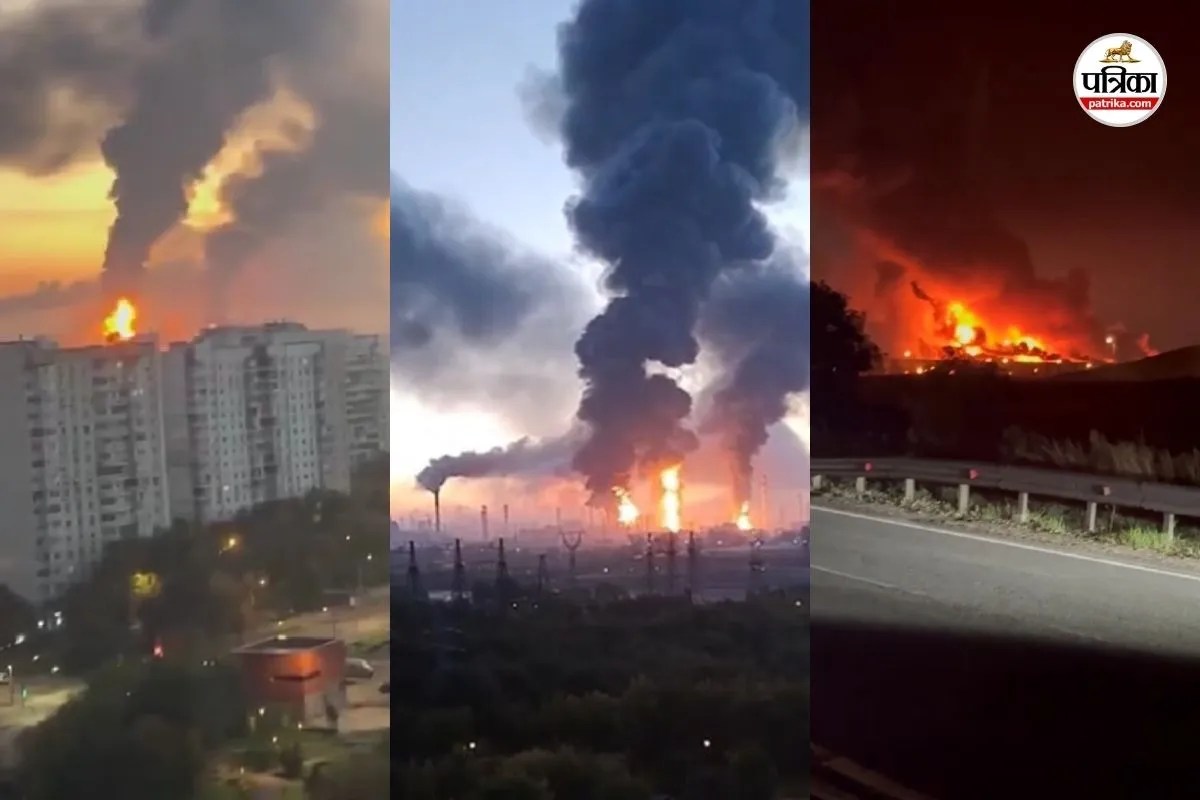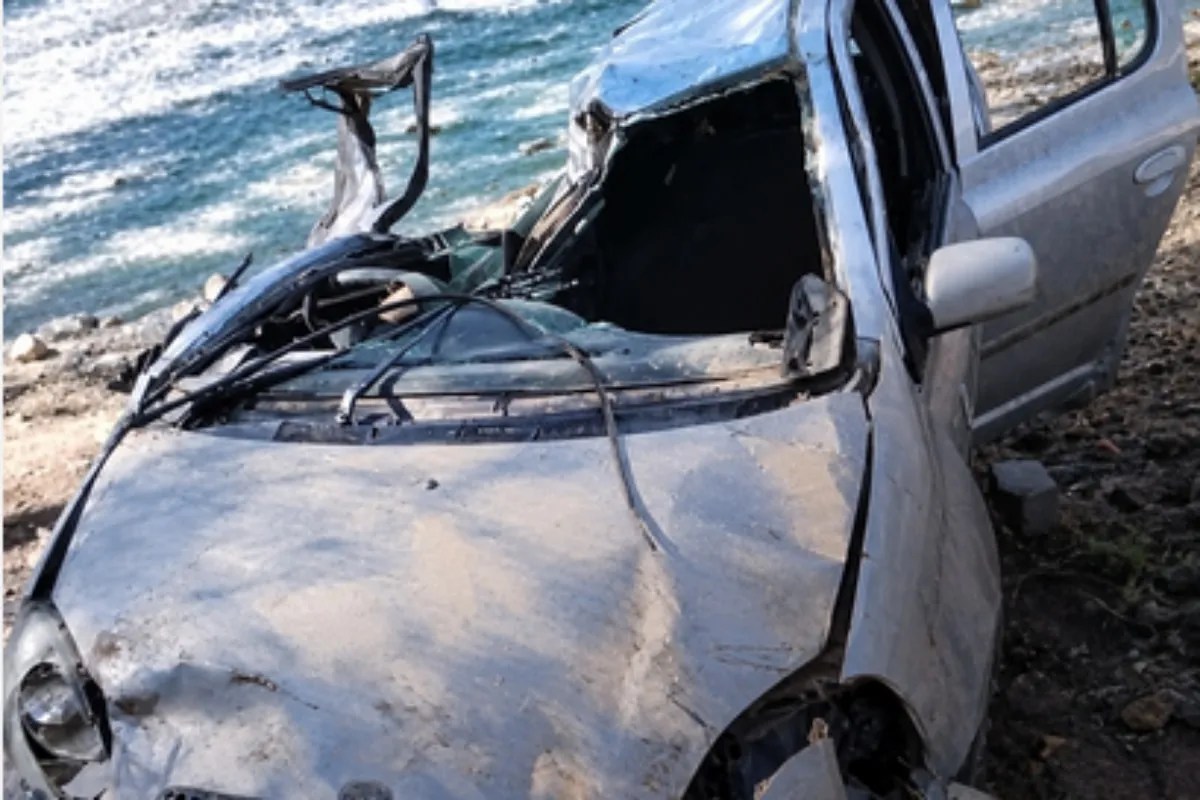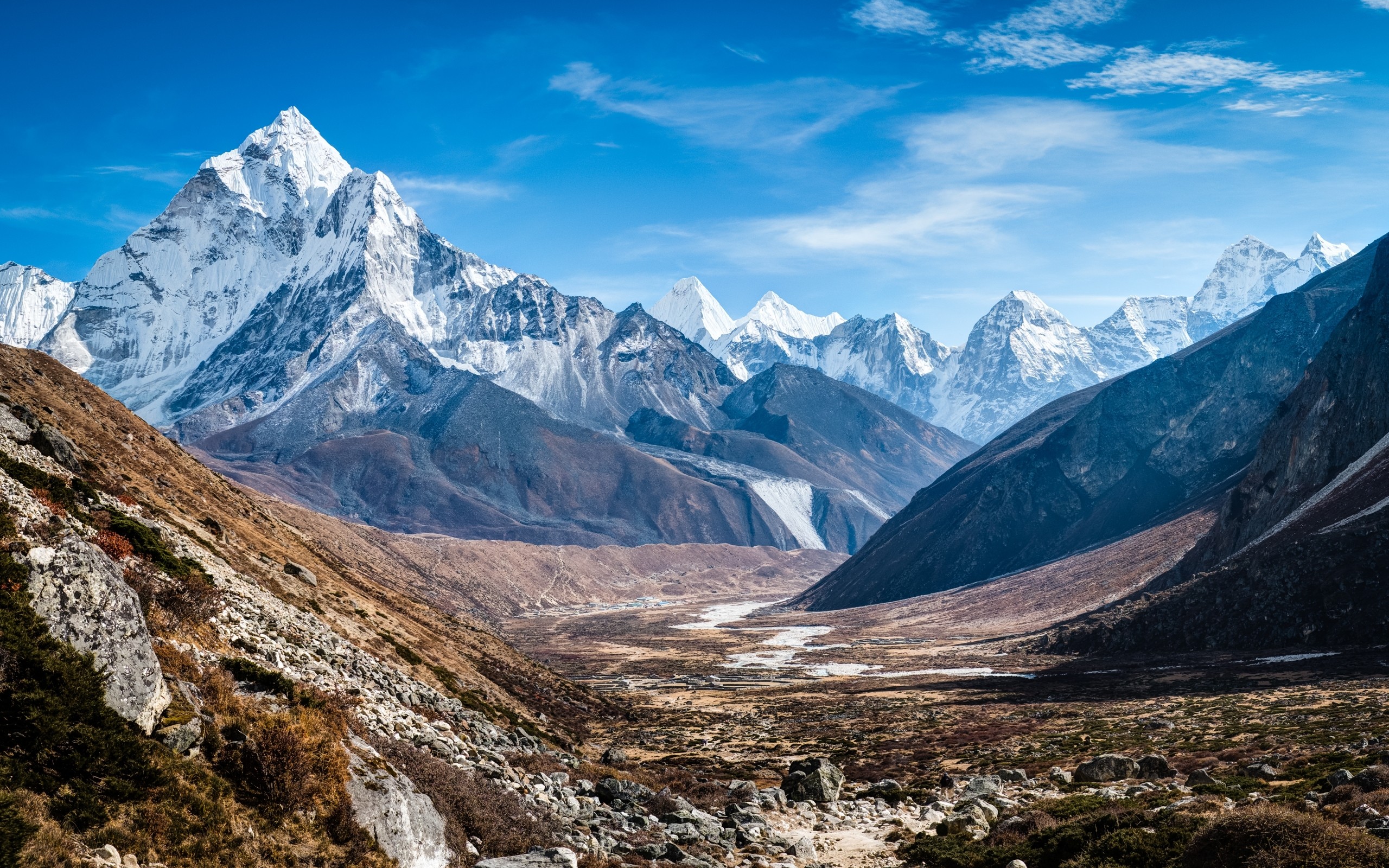
When an entire valley vanishes beneath tons of debris and glacial silt, the numbers that follow usually stun the world. Over 1,450 lives lost, and more than 5,000 people still unaccounted for. Those aren't just dry statistics pulled from an emergency report. They represent an unfolding catastrophe that has left mountain communities broken and international families searching for answers.
The catastrophic flash floods that struck the China-Nepal border region triggered a unique kind of bureaucratic and emotional nightmare. While rescue workers claw through massive piles of mud and shattered infrastructure, the government has faced a grim administrative reality. Officials shortened the mandatory missing persons death declaration timeline from twelve years down to just forty-five days. Families are forced into processing the legal finality of losing loved ones while hope for finding survivors fades in the rugged Himalayan terrain.
Why This Disaster Caught Everyone Off Guard
Most people picture monsoons as heavy seasonal rains that slowly swell local riverbanks. This event was entirely different. A sudden mountain and glacier collapse on the border unleashed an unstoppable torrent of water, rock, and ice down river systems like the Trishuli. Entire neighborhoods, bridges, and hydropower camps were swept away in minutes, carrying debris and victims downstream.
The speed of the destruction meant early warning systems didn't stand a chance. When a wall of water descends from high-altitude glacial boundaries at terrifying speeds, traditional evacuation protocols fail. Communities in districts like Rasuwa, Dhading, and Nuwakot had virtually zero window to react.
Foreign nationals, including hundreds of travelers and pilgrims visiting the region, added another layer of complexity to the search operations. Embassies scrambled to account for citizens from dozens of countries, turning a national emergency into a massive international logistics challenge.
The Hard Reality of Recovery and Legal Aftermath
Searching for thousands of missing individuals across remote, unstable mountain slopes pushes search-and-rescue teams to their absolute breaking point. Heavy machinery can't reach the hardest-hit gorges, forcing crews to rely on manual digging and dangerous river sweeps.
As weeks turn into months, rescue operations inevitably shift toward rehabilitation and recovery. That transition brings a painful procedural burden. Streamlining the death declaration process to 45 days is a harsh necessity. Families need legal closure to handle property titles, insurance claims, and bank accounts. Some grieving relatives have already resorted to holding symbolic cremation ceremonies because there is no body to bury.
The economic fallout matches the human cost. Essential trade routes like the Rasuwagadhi customs office were flattened, hundreds of commercial vehicles were trapped or destroyed, and vital hydropower infrastructure suffered extensive damage. Rebuilding will take years, draining resources in a nation already vulnerable to economic shocks.
Lessons from the Himalayan Crisis
If there is any hard truth to take away from this tragedy, it is that high-altitude climate hazards are accelerating faster than our preparation models. Glacial lake outbursts and sudden mountain collapses are no longer hypothetical worst-case scenarios. They are active threats to South Asian river valleys.
Governments and disaster management agencies must rethink how they monitor high-risk border regions where international cooperation is required for early detection. Relying solely on downstream alerts is a losing strategy when the upper source of the danger lies across international borders.
Protecting vulnerable mountain settlements requires moving beyond reactive rescue missions. Investment must shift toward high-altitude seismic sensors, real-time glacial monitoring, and resilient infrastructure that can absorb a catastrophic shock without letting entire communities vanish overnight.
1410 Dead With Thousands Still Missing In Nepal-Tibet Devastating Flash Flood
This video provides a ground-level look at the devastation and ongoing search efforts following the catastrophic Nepal-Tibet flash floods.