When disaster strikes remote mountain regions, communication blackouts turn ordinary holiday updates into agonizing silences. That terrifying reality hit home for the family of Cara Severino, a 26-year-old Australian hiker who finally broke days of radio silence after catastrophic flash floods tore through the Nepal-Tibet border region. While her brief phone call from Gosainkunda brought profound relief to her parents back in New South Wales, it underscored the brutal logistical nightmare facing hundreds of other families still searching for loved ones.
The Anatomy of a Himalayan Disaster
The catastrophe unfolded following a massive ice avalanche and relentless heavy rainfall that triggered Nepal's worst natural disaster in more than a decade. Torrents of water, boulders, and debris roared through valleys, destroying infrastructure and isolating remote trekking routes. Death tolls quickly climbed past 500, with nearly a thousand people reported missing across the region. You might also find this connected article insightful: Assessing Institutional Continuity: The Accession of King Haakon VIII and the Structural Pressures Facing the Norwegian Monarchy.
For independent travelers and organized tour groups alike, the sudden wall of water meant instant separation. Geoscientists point out that the sheer volume of trapped debris in narrow gorges makes future hazards unpredictable, complicating rescue missions deployed by local authorities and international agencies.
Surviving Off the Grid
Severino was trekking independently through Langtang National Park when the weather turned lethal. With phone networks down and her own battery dead, she spent days completely uncontactable. Her survival story highlights a critical reality of high-altitude trekking: isolation is built into the landscape. As discussed in detailed reports by Reuters, the effects are notable.
When she eventually reached Gosainkunda alongside a group of local Nepali hikers, she used a borrowed connection to call home. Yet, safety doesn't mean immediate rescue. Severino still faces a grueling trek of more than 110 kilometers on foot to reach Kathmandu because roads and bridges remain washed out.
The Wider Crisis Facing Australian Travelers
While Severino's outcome offered a rare glimmer of hope, dozens of other Australian citizens remain unaccounted for. Federal authorities, including Foreign Minister Penny Wong, confirmed that multiple tour groups—many participating in spiritual pilgrimages toward Mount Kailash—were caught directly in the impact zone.
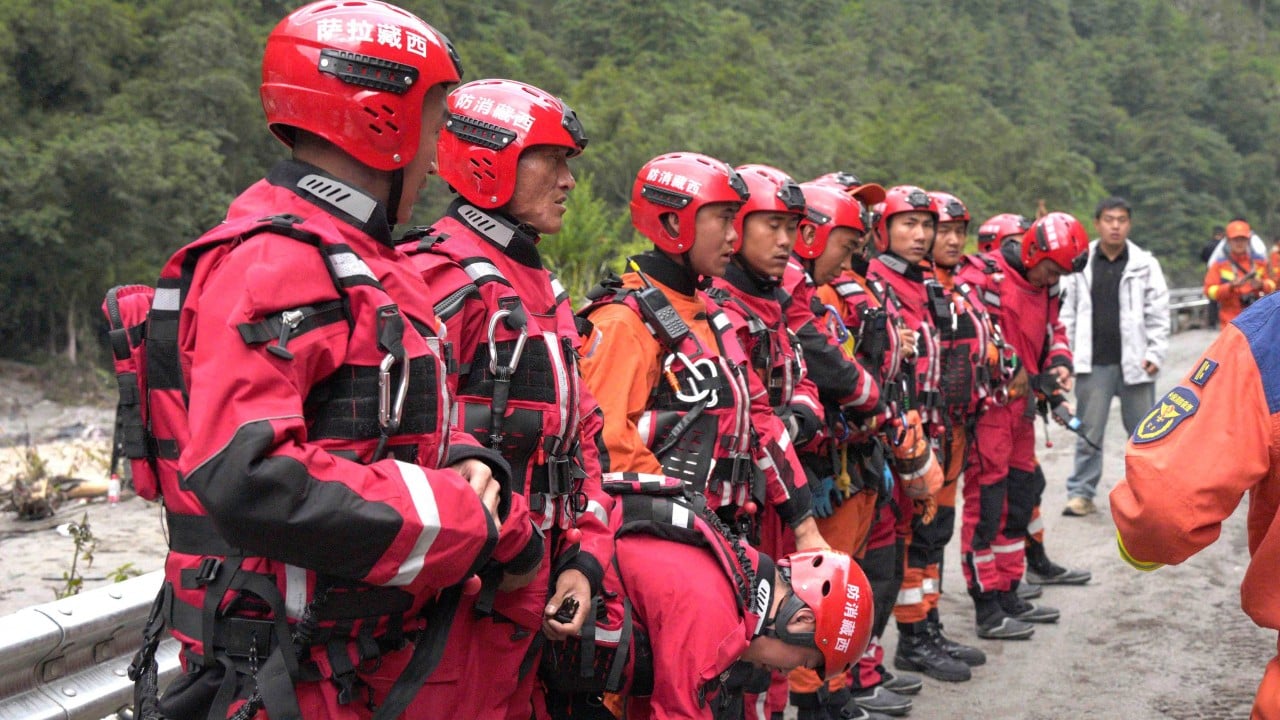
Families have flown from Sydney and Melbourne to Nepal, relying on smartphone last-known locations and local ground contacts to search immigration checkpoints and makeshift shelters. The Department of Foreign Affairs and Trade (DFAT) has since deployed humanitarian response specialists to assist local rescue teams, though ongoing rain and unstable terrain continue to hamper operations.
If you are tracking travel safety updates or attempting to contact relatives in South Asia, monitor official DFAT Smartraveller advisories and maintain direct communication with local tour operators rather than relying on unverified social media reports. Check local weather warnings before embarking on any high-altitude excursions, as seasonal conditions in the Himalayas can shift from peaceful to perilous in a matter of minutes.