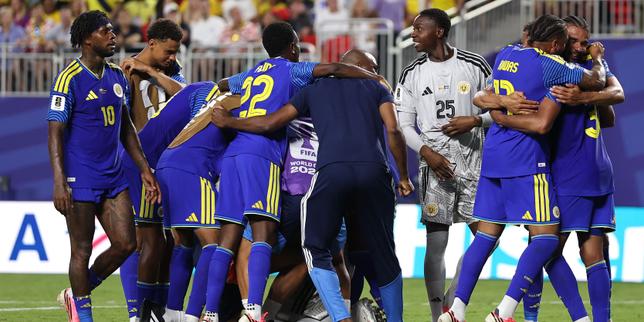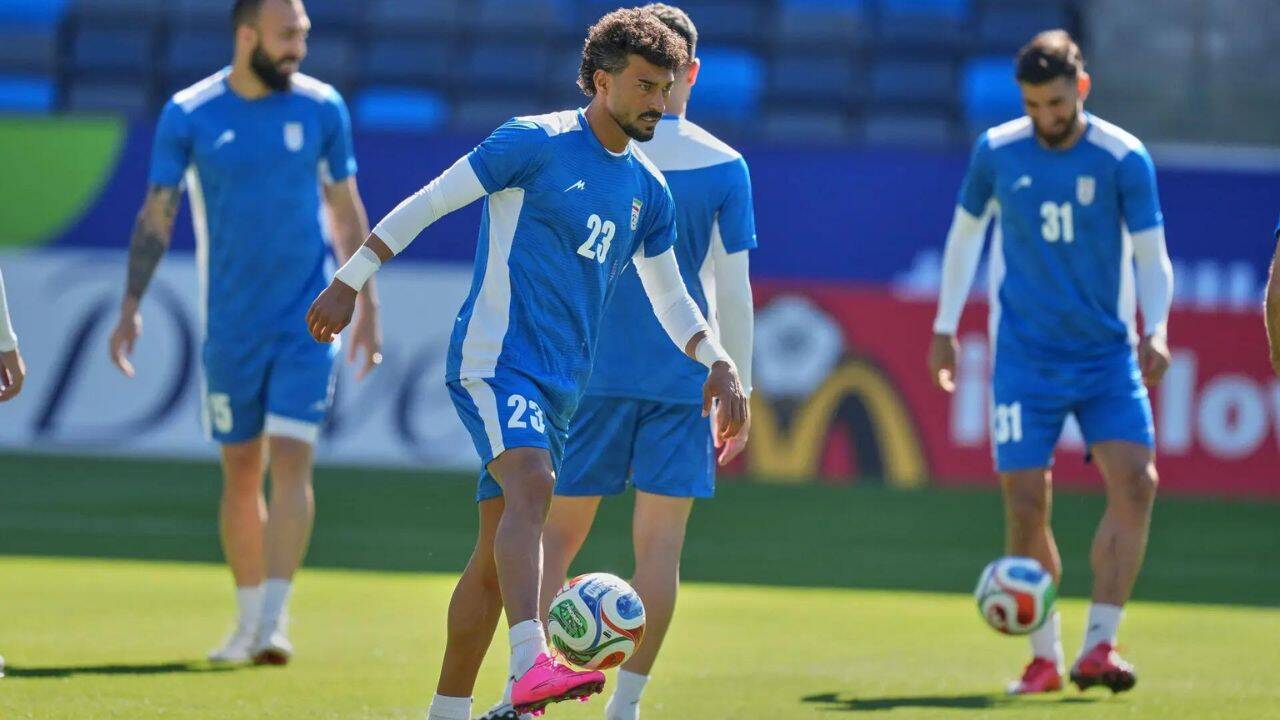
The media loves a predictable narrative, and the current coverage of Iran’s national football team ahead of the World Cup in the United States is as lazy as it gets. Outlets are tripping over themselves to paint a picture of an "oppressed" squad, hamstrung by visa delays, corporate sponsorship bans, and substandard travel arrangements. They look at a logistical headache and see a tragedy.
They are entirely missing the point.
In elite sports, comfort is a trap. The assumption that the team with the smoothest luxury bus ride, the flashiest Nike deal, and the most seamless bureaucratic transition wins the tournament is fundamentally flawed. Having spent years analyzing sports logistics and team psychology under pressure, I can tell you that the mainstream press is looking at the wrong metrics. They are measuring administrative ease. They should be measuring psychological armor.
The chaos surrounding Team Melli’s arrival isn't a death sentence. It is a competitive advantage.
The Luxury Trap in Elite Athletics
Let's dismantle the premise that flawless logistics equal victories on the pitch. The conventional wisdom states that to compete at the highest level, an athlete needs a sterile, frictionless environment. Complete isolation from stress. Perfect nutrition, perfect travel, perfect peace of mind.
This is a corporate myth designed to sell high-end training gear and logistics software.
When a team is wrapped in cotton wool, they soften. Look at the historical precedents of teams that enjoyed immaculate, high-budget preparation phases only to crash out in the group stages. The French squad in 2002 or the Spanish team in 2014 didn't fail because their flights were delayed or because their kit sponsors backed out. They failed because complacency is the natural byproduct of absolute comfort.
Iran's squad enters the United States under a cloud of friction. They are dealing with restricted access to certain training facilities, political noise, and the administrative hurdles of international sanctions.
Good.
This friction strips away the superficial distractions that plague Western squads. There are no multimillion-dollar commercial shoots scheduled between training sessions. There are no influencers invading the hotel lobby for branding partnerships. The environment is stripped down to its rawest form: eleven players, a ball, and a collective siege mentality.
The Science of the Siege Mentality
Psychologists call it "external attribution of adversity," but in the dressing room, it’s simply known as the "us against the world" effect.
When a team believes the system is actively working against them, their internal cohesion skyrockets. In group dynamics, external pressure solidifies the core. The logistical roadblocks imposed on the Iranian team act as a forcing function for solidarity.
- Elimination of Ego: When every player is facing the same bureaucratic nightmare, individual stardom evaporates. The Europe-based stars and the domestic league players are equalized by the shared hassle.
- Hyper-Focus: The lack of corporate pampering forces a hyper-focus on tactical execution. When you don't have luxury recovery pods, you focus intensely on the fundamentals of sleep, hydration, and mental preparation.
- The Underdog Premium: Playing without the burden of expectation, combined with the genuine belief that you have been slighted by the hosts, creates a dangerous, unpredictable opponent.
Imagine a scenario where Team Melli had a flawless landing, a massive corporate sponsor backing their every move, and a red carpet rolled out by the host nation. The pressure to perform under those conditions is immense, suffocating, and often paralyzing. Under the current "oppressed" conditions, every single point they secure on the pitch becomes a direct rebuke to the administrative hurdles placed in their way. That is a potent emotional fuel that money cannot buy.
Dismantling the Practical Complaints
Let's address the specific grievances the media is whining about on behalf of the squad.
The Kit and Sponsorship Restrictions
Nike famously cannot supply boots to the Iranian team due to sanctions. Critics claim this puts the players at a disadvantage. This is a comical misunderstanding of modern athletic footwear. These are elite professionals. They have been sourcing their own gear through third parties and personal contracts for years. They aren't walking onto the pitch in substandard equipment; they are playing in the exact boots they chose, free from the contractual obligation to wear a brand's latest, unproven experimental model.
Travel and Accommodation Logistics
The complaints about sub-optimal travel routes and hotel arrangements ignore the reality of tournament play. Every World Cup venue managed by FIFA must meet stringent baseline criteria. The difference between a five-star luxury resort and a high-end four-star business hotel is negligible to an athlete focused on tactical walkthroughs. In fact, isolated, less-conspicuous accommodations offer a level of privacy that high-profile teams desperate for peace would kill for.
The Cost of the Contrarian Edge
To be fair, this approach is not without its risks. The siege mentality is an exhausting emotional state to maintain. It burns bright, but it burns fast.
If the tournament stretches into the later knockout stages, the physical toll of cumulative minor logistical failures—slightly longer bus rides, fewer specialized recovery staff—can catch up to a squad. It is a high-octane strategy built for the short, sharp shock of the group stages. It is designed to cause upsets early on, to destabilize group favorites who expect a predictable, gentlemanly contest.
The real danger to Iran isn't the external restrictions. It’s the internal adoption of the victim narrative. If the coaching staff allows the players to use the travel conditions as an excuse for failure, the advantage is lost. But history shows this group doesn't fold; they harden.
Stop pitying the Iranian national team for their travel itinerary. Stop writing obituaries for their World Cup campaign based on visa paperwork. The host nation didn't create a barrier; they accidentally built a crucible.