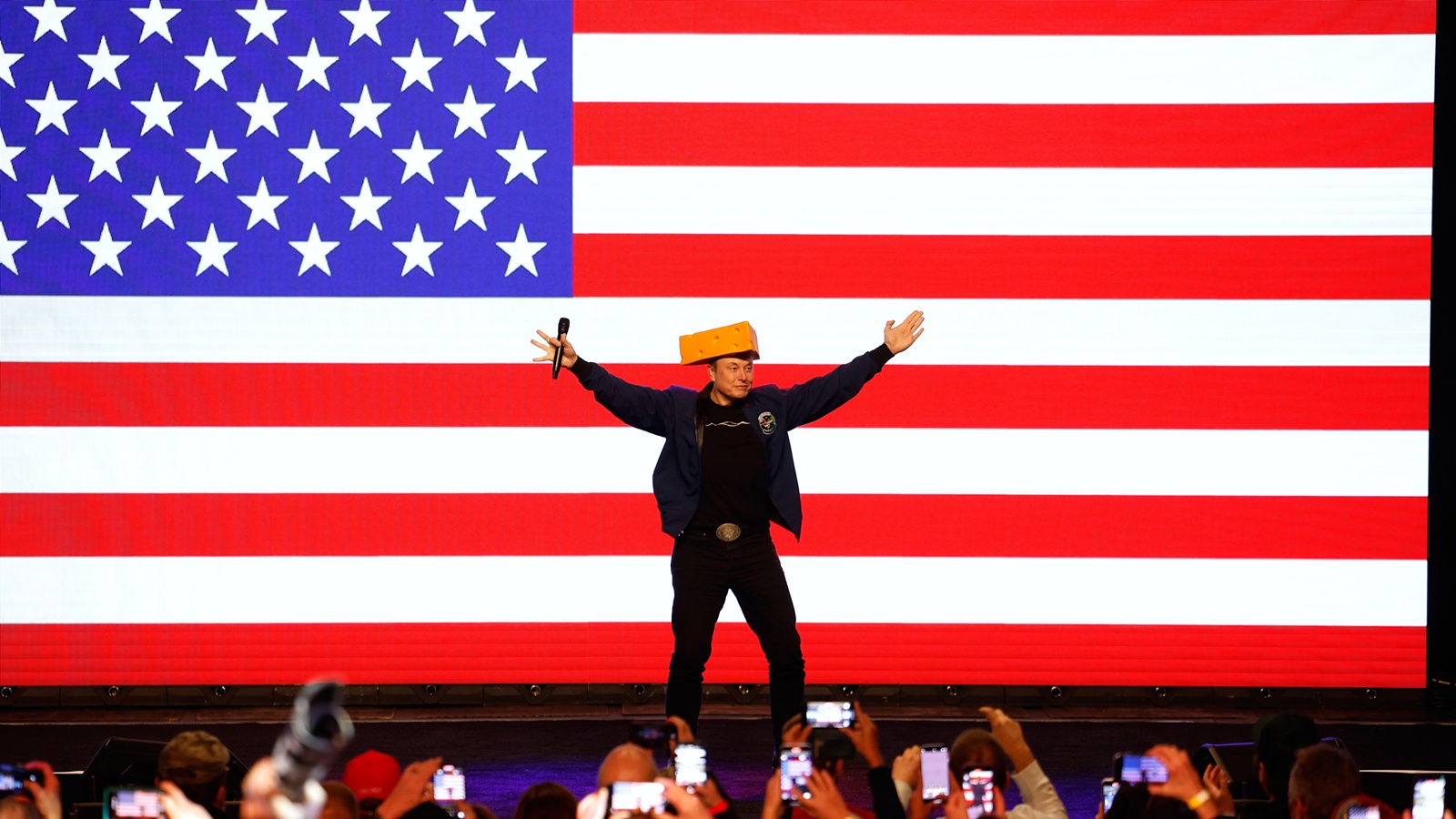
One share of SpaceX for every kid in America sounds like a billionaire fever dream. Yet Elon Musk put that exact pledge on X in October 2026, promising to hand over one of his SpaceX shares to every American child starting in 2027 and calling it "the first of many".
If you're wondering whether your kid is about to get rich overnight, slow down. The math is fascinating, the mechanics run straight through federal Trump Accounts, and the fine print has plenty of twists most headlines skip.
Why Musk Pledged SpaceX Stock to Kids
Context matters here. Musk didn't drop this idea in a vacuum—he posted it right after Anthropic unveiled a public benefit fund seeded with 5% of its shares, and just weeks before the November 2026 midterm elections. President Trump quickly cheered the move on Truth Social, framing it as private sector capital flowing straight into Trump Accounts alongside existing corporate donors like SpaceX President Gwynne Shotwell and philanthropy from figures like Michael and Susan Dell.
Politically, it's sharp theater. Financially, for Musk, it's surprisingly doable. At around $146 a share, giving a single share to roughly 73 million American children would run right around $10.7 billion. Against a net worth hovering near the trillion-dollar mark, that's roughly 1% of his fortune—a headline-grabbing sum that barely dents his long-term control or empire.
How Trump Accounts Turn a Pledge Into Shares
Here's the mechanism nobody talks about enough: Musk isn't mailing paper certificates or opening Robinhood accounts for toddlers. The delivery vehicle is the Trump Account system created under the 2025 tax-and-spending legislation, where the Treasury opens accounts for children under 18 with Social Security numbers (with a separate $1,000 federal seed aimed at U.S. citizen babies born between 2025 and 2028).
Instead of a chaotic free-for-all, the government already built an identity-gated pipeline for equity donations. If shares land in more than 60 million existing Trump Accounts rather than every single child across every nuance, the price tag drops closer to $8.8 billion. Either way, it would be one of the largest mass equity distributions in U.S. history—reaching kids who never had a brokerage account or a clue what a ticker symbol means.
The Five-Year Lockup and Other Catches
Free stock sounds great until you read the rules. Under Treasury regulations issued in September 2026, stock donated into a Trump Account faces a five-year holding restriction before it can be sold, and families generally can't pick which stocks they get or simply refuse a donation out of hand.
Let's be honest about what that means in real life. Say a family hits a rough patch—a medical bill, job loss, or car repair—and wants to cash out that $146 share. If it sits in a Trump Account under the five-year rule, they can't tap it for quick cash. On the flip side, forced long-term holding stops impatient parents from selling a volatile tech-and-space stock on day one just to buy groceries.
There are also legal and governance wrinkles still shaking out:
- IPO lock-up agreements: Following SpaceX's public listing, post-IPO lock-up restrictions run for 366 days without early-release clauses, leaving open questions about how gifts are treated before expiration in mid-2027.
- Regulatory optics: Critics have already pointed out that broad distributions could make children of federal aviation and communications regulators SpaceX shareholders, right alongside Musk's massive political spending.
- Rulemaking deadlines: Treasury's public comment window runs through late November 2026, meaning details around opt-outs or account mechanics could still shift.
Single-Stock Risk Versus Long-Term Upside
Having personally watched retail investors treat single stocks like lottery tickets, I have mixed feelings about handing millions of kids one concentrated bet. One share of SpaceX at ~$146 won't pay for college on its own. Even if SpaceX compounds over decades—fueled by launch dominance, Starlink, AI infrastructure, and lunar ambitions—any single company carries real execution, regulatory, and market risk.
Still, there's real value in ownership early in life. A kid who holds a share of a rocket-and-AI company has a concrete reason to care about how markets, capital, and engineering work instead of treating finance like some mysterious adult club. Compared to the $250 per-child deposits highlighted in other philanthropic efforts, a single ~$146 share is smaller upfront, though Musk hinted at future rounds if the first wave goes through.
What Parents Should Do Right Now
Don't treat a social media post as money in the bank. Announcements get delayed, tweaked, or tied up in paperwork all the time.
If you're a parent or guardian with kids under 18, take a few practical steps so you aren't caught flat-footed:
- Verify account eligibility and status: Check official Treasury guidance on Trump Accounts so you know whether an account exists, what verification is required, and how any new rules affect your child.
- Treat any potential share as bonus capital: Don't budget around a $146-ish single-stock gift or assume you can sell it quickly under the five-year rule.
- Keep building diversified basics: If your goal is a child's future cushion or education, steady contributions into broad, diversified savings or investment vehicles still do the heavy lifting—any SpaceX share would just be extra rocket fuel on top.
CBS News report on Elon Musk's SpaceX share pledge for U.S. children
SpaceX stock gift rules and five-year lockup breakdown
This short video highlights how a single SpaceX share could compound over time and why the mechanics behind the pledge matter for families.