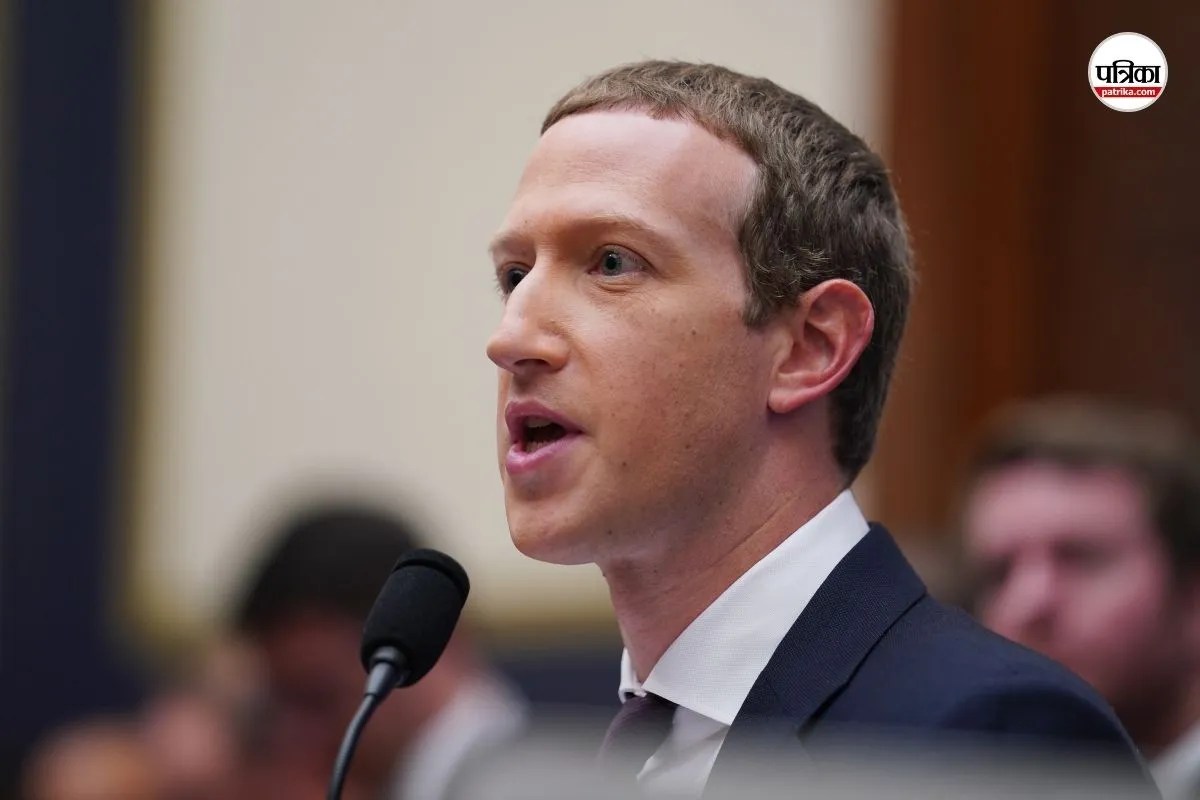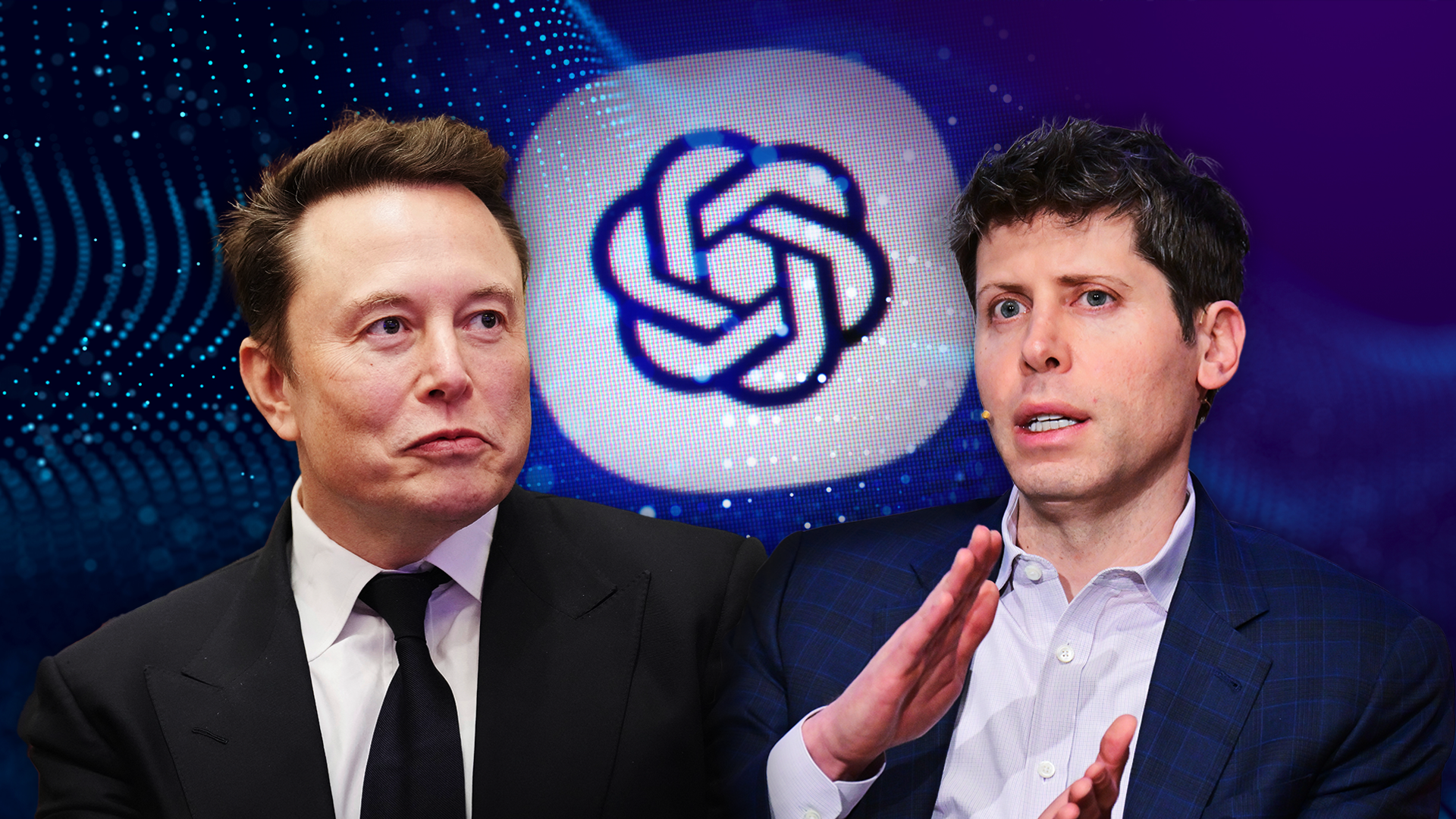
Elon Musk and Sam Altman used to be on the same side. They shared a glass-walled vision of a future where artificial intelligence didn't belong to a single tech giant but to everyone. Now, they're staring each other down in a federal courthouse in Oakland, California. This isn't just two billionaires bickering over a broken promise. It's a high-stakes fight over who gets to control the most powerful technology in human history.
If you've been following the headlines, you know the basics. Musk sued OpenAI and its CEO, Sam Altman, alleging they ditched their nonprofit roots for a "wealth machine" powered by Microsoft. But as jury selection kicks off this week in April 2026, the documents spilling out of discovery tell a much messier story. It's a tale of ego, shifting goalposts, and the uncomfortable reality that building AGI costs way more than anyone first admitted.
The Long Con or a Necessary Pivot
Musk’s legal team isn't pulling any punches. They’re calling OpenAI’s transition a "textbook tale of altruism versus greed." According to the complaint, Altman lured Musk in with the promise of an open-source, non-commercial counterweight to Google’s DeepMind. Musk backed that promise with roughly $38 million (though he originally claimed it was closer to $100 million).
The betrayal, Musk argues, happened when OpenAI created a for-profit arm and started taking billions from Microsoft. He claims this effectively turned a public-benefit charity into a closed-source subsidiary of the world’s largest software company. He wants Altman and Greg Brockman out, a return to the nonprofit model, and a staggering $150 billion in damages to be funneled back into charitable work.
But OpenAI isn't playing defense. They’ve gone on the offensive by publishing old emails that show Musk was well aware of the need to pivot. In 2017, when it became clear that "donations" wouldn't cover the multi-billion-dollar compute bills needed to train models like GPT-4, Musk actually suggested merging OpenAI into Tesla to act as its "cash cow."
What the Diary Entries Reveal
The trial is about to get incredibly personal. One of the most damning pieces of evidence isn't a contract, but a personal diary entry from Greg Brockman. In late 2017, he wrote about the struggle to get out from under Musk's thumb, questioning if Elon was the "glorious leader" the team actually wanted.
This gets to the heart of why the partnership fractured. It wasn't just about money; it was about control. Musk wanted to run the show. When the board said no, he walked away, reportedly telling them they had a "0% chance" of succeeding against Google. He was wrong. OpenAI didn't just succeed; they sparked a global arms race. Now that Musk is building his own competitor, xAI, OpenAI's lawyers are arguing this entire lawsuit is just a "smear campaign" designed to help his own business interests.
The Microsoft Shadow
You can't talk about this case without talking about Microsoft. While they aren't the primary defendant, their presence looms over every H2 in this legal battle. Musk argues that OpenAI’s board has become a rubber stamp for Microsoft’s interests.
The legal question hinges on "Breach of Charitable Trust." In California, you can't just take assets funded by tax-deductible donations and hand them over to a for-profit entity without serious scrutiny. Judge Yvonne Gonzalez Rogers has already noted that "significant and irreparable harm" occurs when the public’s money is used to fund a private conversion.
The Core Disagreements
- The "Open" in OpenAI: Musk says it meant open-source. Altman says it meant the benefits should be open to everyone, even if the code isn't.
- AGI Definition: OpenAI’s contract with Microsoft excludes AGI. If the court decides GPT-5 or its successor constitutes AGI, Microsoft lose its rights to the tech. This trial might actually force a legal definition of "human-level intelligence."
- The Taxpayer Angle: Since OpenAI started as a 501(c)(3), every dollar Musk and others donated was subsidized by taxpayers. If that work is now locked behind a $20-a-month subscription and a Microsoft partnership, did the public get swindled?
Why This Matters to You
This isn't just Silicon Valley drama. The outcome will set the precedent for how AI companies are structured for the next decade. If Musk wins, it could force OpenAI to open-source its most valuable models, potentially leveling the playing field for every developer on earth—but also raising massive safety concerns. If Altman wins, it solidifies the "capped-profit" model as the standard for moonshot tech ventures.
Honestly, the "humanity" argument feels a bit thin on both sides. Musk is a competitor. Altman is running a corporate juggernaut. But the legal discovery process is doing us all a favor by pulling back the curtain on how these decisions were made. We’re seeing that the "safe and altruistic" path was abandoned almost as soon as the compute bills started hitting the millions.
What Happens Next
The trial is expected to last three weeks. You should keep an eye on the testimony from Ilya Sutskever, if he’s called. As a co-founder who was at the center of the 2023 "coup" that briefly ousted Altman, his perspective on the company's mission—and whether it was sold out—is the missing piece of the puzzle.
If you’re looking to protect your own interests in this AI gold rush, don't just rely on the big players. Start exploring open-source alternatives like Llama or Mistral. The Musk v. Altman fight proves that even the most "altruistic" platforms can change the locks once the valuation hits eleven figures. Check the licensing agreements on the tools you use today; if a nonprofit can turn into a $100 billion corporation overnight, your favorite "free" tool can certainly do the same.