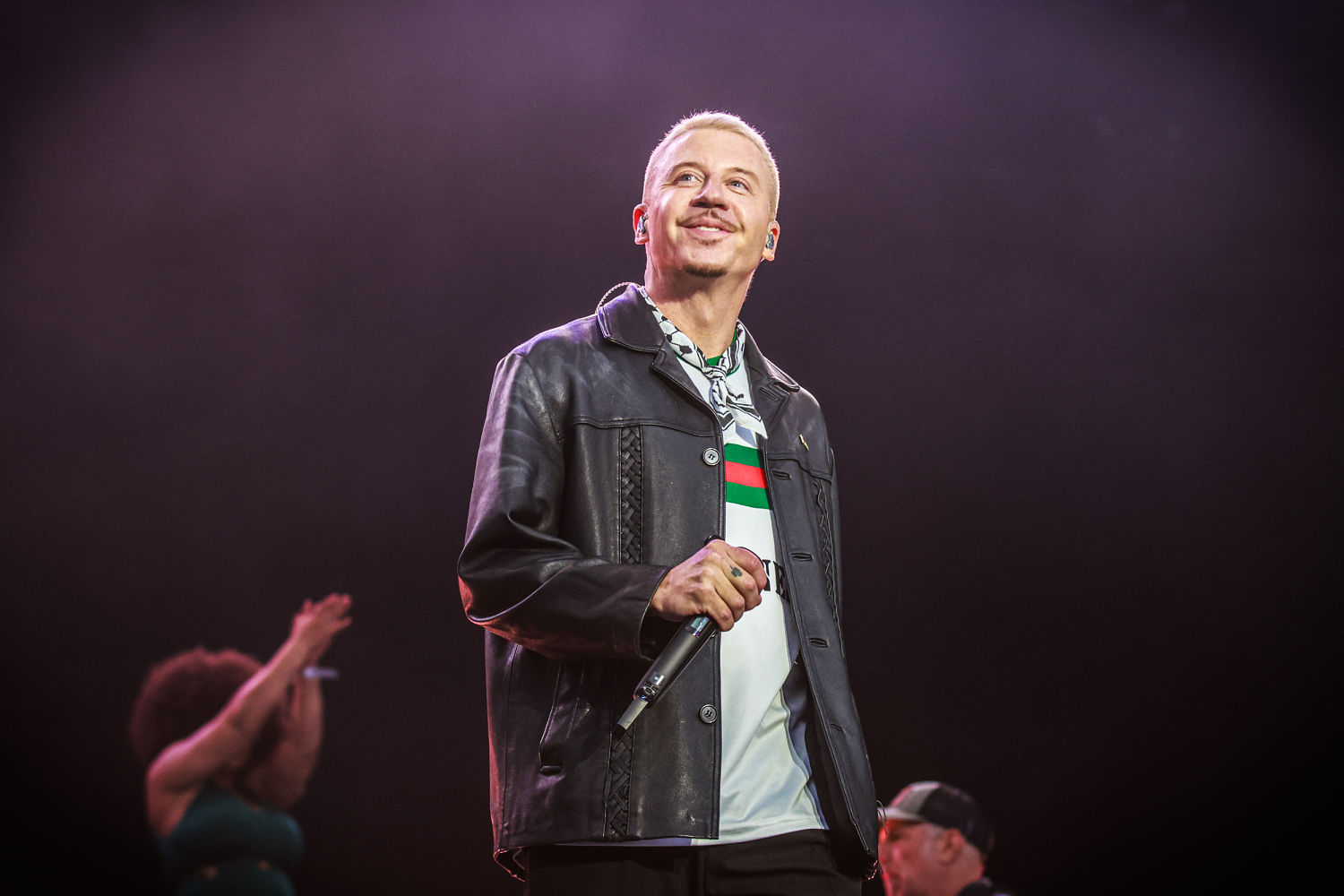
You can't talk about modern pop music and politics without running into the massive shockwave left by Macklemore getting booted off Ed Sheeran's U.S. stadium tour. It's a messy story of corporate venue control, backstage ultimatums, and an artist who decided he'd rather burn professional bridges than keep his mouth shut.
If you've only caught bits and pieces of the headlines, you might think it's just standard celebrity drama. It isn't. This fallout exposes how fragile the boundary between mainstream pop entertainment and global geopolitics actually is. Let's look at what really went down, why the music business panicked, and why this whole mess changed live touring for good.
How a Stage Speech Blew Up a Stadium Tour
The timeline here matters. Macklemore was locked in as a high-profile opening act for Ed Sheeran's massive U.S. run. Everything changed during a performance at MetLife Stadium when the rapper doubled down on his vocal, public stance regarding Palestine, chanting "Free Palestine" and displaying imagery addressing the humanitarian crisis in Gaza.
It wasn't a brand-new talking point for him. He'd been making similar statements on international stages for years. But doing it as the direct support for one of the biggest pop stars on the planet, inside massive American venues, hit a tripwire.
Behind closed doors, the pressure mounted immediately. According to public statements shared by Macklemore, tour promoters and venue stakeholders panicked. Major stadium power brokers, including high-profile figures like New England Patriots owner Robert Kraft, allegedly rallied other venue owners and delivered a stark ultimatum to camp Sheeran: keep Macklemore on the bill, and get locked out of major U.S. stadiums entirely.
By September 14, the Messina Touring Group officially dropped Macklemore from the lineup. The official reason given to the public pointed straight at venue pushback and safety concerns over political content on stage.
The Domino Effect and Ed Sheeran's Awrecked Position
Ed Sheeran suddenly found himself caught in an impossible crossfire. He tried to thread the needle, claiming he wasn't personally behind the decision to fire Macklemore and maintaining that he holds private views on the conflict without wanting to turn his concerts into political rallies.
Fans and fellow artists weren't buying the neutral stance. The backlash was swift and brutal.
Instead of letting the tour move on quietly, other supporting acts on the bill—including Finneas, Lukas Graham, and Aaron Rowe—stepped down in total solidarity with Macklemore. They refused to play, arguing that silence in the face of censorship and civilian devastation wasn't an option. Artists like Jack Antonoff publicly criticized Sheeran's handling of the situation, noting that he missed a historic chance to stand up for free expression.
Sheeran eventually addressed crowds directly, getting visibly emotional and calling the situation in Gaza "unjustifiable and disproportionate," while lamenting that venues pre-approve content and control what artists can say. But the damage to the tour's narrative was already permanent.
When Arena Gates Slam Shut
You might wonder what happened next. Did Macklemore just go quietly into the studio? Not a chance.
He took his platform independent, pledging his tour earnings to humanitarian aid and mapping out alternative plans. But reality caught up with him when he tried to bring his dedicated "Free Palestine" tour back to American soil.
Macklemore later revealed that at least nine major U.S. arenas—including heavyweights like Madison Square Garden, Barclays Center, Crypto.com Arena, and Seattle's Climate Pledge Arena—abruptly turned him down after initially offering available dates. Once venue management realized the concerts were explicit benefit shows for Palestine, the doors locked.
This reveals the quiet monopoly controlling live entertainment. Stadiums aren't just neutral concrete bowls waiting for whoever pays rent. They are tightly guarded corporate fortresses owned by conglomerates and billionaires who can easily veto art they find commercially risky or politically inconvenient.
Why This Changes Everything for Musicians
For years, the unwritten rule of pop stardom was simple: keep your head down, sell records, and don't alienate corporate sponsors. Stay apolitical so you don't dent ticket sales.
Macklemore's fallout completely shatters that playbook. He made it clear that losing sponsorships, festival slots, and brand deals is a price he's willing to pay. Whether you agree with his delivery or detest his methods, he forced a massive industry to stop pretending that music exists in a political vacuum.
When venues start blacklisting artists over geopolitical slogans, the illusion of free expression in mainstream spaces vanishes. The takeaway isn't just about one rapper getting cut from a summer tour. It's about a shifting cultural landscape where artists are increasingly forced to choose between corporate safety and actual conviction.
The stadium gates might be locked for now, but the conversation isn't going anywhere.