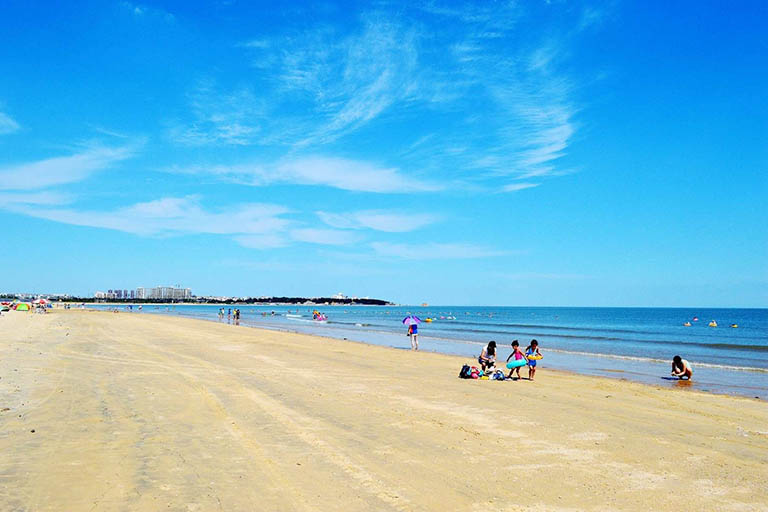
The water at Jiuzhaigou usually wears the color of crushed turquoise. It is a stillness so profound that looking down into the shallow edges feels less like gazing into a lake and more like floating above an ancient, sunken sky. Trees stand half-drowned in the clarity, their white trunks preserved like bones beneath glass.
Then came the roar.
It did not sound like thunder. Thunder rolls across the clouds, heavy and distant. This sound tore through the canyon floor, a low, tectonic groan followed by the sharp, splintering crack of thousand-year-old pines snapping like dry twigs.
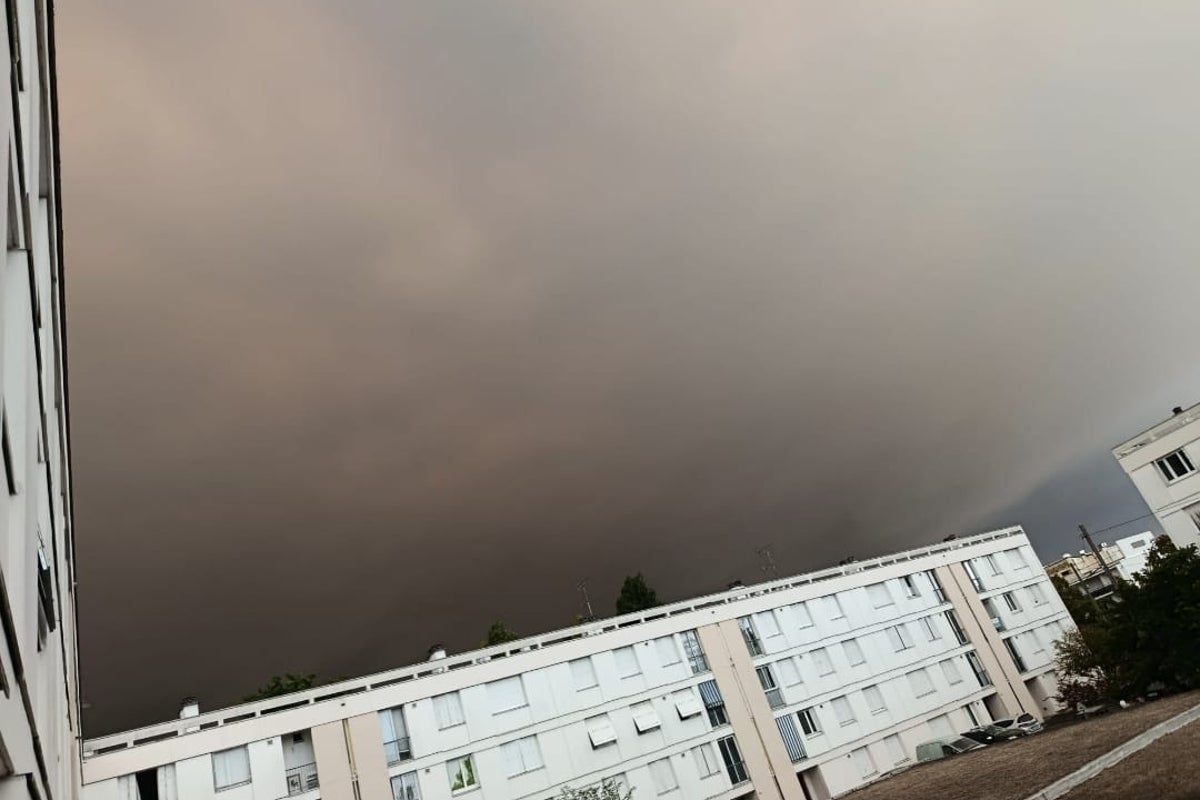
Rain had fallen for days. Not the romantic kind that taps softly against a windowpane, but a relentless, heavy curtain of water that turned the fragile mountain soil into grease. In places like Sichuan, where the earth clings to steep vertical slopes by sheer stubbornness, rain is an invitation for gravity to reclaim what belongs to it.
Consider what happens to a tourist standing in paradise when the sky turns hostile.
Let us call him Mark. He had traveled halfway across the globe to see the cascading travertine terraces of China’s famed World Heritage site. He had packed light, wearing a bright blue rain jacket and carrying a camera with a weather-sealed lens. He had memorized the names of the lakes: Panda Lake, Five Flower Lake, Long Lake. They sounded like poetry.
By midday, the poetry dissolved into panic.
The mudslide did not arrive with cinematic warning sirens. It came as a wall of dark, churning earth and shattered rock that swallowed the wooden boardwalks in a single gulp. One second, Mark was adjusting his shutter speed to capture the mist rising off Nuorilang Waterfall; the next, the air turned thick with the smell of wet clay and crushed pine needles.
The trail behind him simply vanished, replaced by a grey torrent sliding down the mountain face.
This is the hidden cost of our love for the wild. We travel to the edges of the map, drawn to UNESCO World Heritage sites because they offer an escape from the sterile geometry of modern cities. We want the sublime. We want the untamed. But when the untamed actually wakes up, we remember just how fragile our tickets and itineraries truly are.
Heavy rain had already saturated the region. Rivers that normally gurgled clear over smooth river stones swelled into brown, violent beasts, overflowing their banks and tearing away the bridges that connected the park's isolated valleys.
Communication towers flickered and died. Cell service dropped to zero.
Inside the park, thousands of visitors found themselves suddenly stranded. Tour groups stopped in their tracks. Families with young children huddled beneath the concrete overhangs of shuttered souvenir shops. The silence that followed the initial rush of the mudslide was heavy, punctuated only by the steady, maddening drip of water from the trees and the distant, muffled thud of secondary rockfalls higher up the ridge.
Fear is a quiet thing in a crowd. It does not scream immediately. It looks around, checking the faces of strangers for permission to panic.
Mark watched a park ranger—a young man no older than twenty-five, wearing a soaked uniform—step out onto what remained of the paved road. The ranger had a handheld radio that emitted only static, yet he held it to his ear with absolute concentration, as if sheer willpower could force a signal through the wall of granite and rain.
There were no helicopters yet. The weather ceiling was too low, the clouds clamped down tight against the mountain peaks like a lid on a pot.
Evacuation under these conditions is not an orderly queue. It is a slow, agonizing negotiation with nature.
Emergency management teams outside the park gates were already moving into high gear, though the public rarely sees the chaos behind the press releases. Local disaster response units faced blocked tunnels, washed-out highways, and the constant threat of fresh landslides cascading down the S301 provincial road. Bulldozers crept forward inch by inch, their metal blades biting into tons of mud, clearing a path through the debris just fast enough to let emergency vehicles inch closer to the trap.
Back inside the valley, the hours stretched.
Water bottles were shared among strangers. Chocolate bars divided into tiny squares. A grandmother from Shanghai used her rain poncho to shelter a shivering toddler she had never met before. In moments of crisis, human geography shrinks. The vast differences of daily life—wealth, language, origin—flatten out against the cold reality of mud and stone.
By late afternoon, the rain finally eased to a pathetic drizzle.
That was the window.
The evacuation orders came down the line through a human chain of shouted messages. Move now. Walk where the bridges are gone. Step carefully where the asphalt has cracked open like an egg.
Mark joined the line of thousands tramping out of the valley on foot. They walked in single file along the edges of the ruined road, stepping over tangled electrical wires and ankle-deep slurry. No one complained about sore feet. No one checked their phones. Everyone simply watched the heels of the person in front of them, trusting that the path hadn't completely dissolved beneath the next step.
When they finally cleared the park gates hours later, emergency buses were waiting with their headlights cutting yellow cones through the gathering dusk. Blankets were handed out. Hot water steamed in paper cups.
Stranded tourists found safety, but they left something behind in that canyon.
They left behind the illusion that nature is a postcard waiting to be framed. Jiuzhaigou remains a masterpiece of earth and water, a place of stunning, otherworldly beauty that draws the world to its doorstep. But the mountains reminded everyone who walked their trails that day of a fundamental truth we spend our lives trying to forget.
The earth is alive. And sometimes, it demands to move.
The buses rolled out of the valley, carrying tired, mud-stained travelers into the dark, leaving the turquoise lakes to swirl in the quiet rain, waiting for the world to notice them again.