Private conservation easements represent the quiet architecture holding western ecosystems together while public lands absorb the brunt of recreation pressure. When a Montana family places a conservation easement over their riverfront acreage, the immediate narrative usually focuses on the warm symbolism of open space saved from subdivisions. That surface-level view misses the structural mechanics of how private stewardship operates as an economic and biological shield.
Wildlife cameras mounted on these protected corridors tell a different story from press releases. They capture grizzly bears, wolves, elk herds, and lynx moving across private titles that intersect public ranges. Without these private arteries remaining unfragmented, the Greater Yellowstone ecosystem and northern continental divide fracture into isolated biological islands.
Conservation easements do not happen by accident, nor are they purely acts of generational altruism. They are complex legal and financial instruments negotiated against rising property valuations, inheritance tax pressures, and intense development incentives. Understanding how a Montana ranch family successfully locks down a riverfront corridor requires looking past the romantic imagery of rural life and examining the actual pressure points of land retention in the American West.
The Economic Trap of Intergenerational Land Ownership
Passing a multi-thousand-acre ranch down through generations sounds noble until the estate tax bill arrives alongside escalating county property assessments. As surrounding valleys turn into luxury ranchettes and subdivision plats, the baseline value of agricultural land skyrockets based on its development potential rather than its livestock or timber production capacity.
A family sitting on prime riverfront acreage in western Montana often finds themselves asset-rich and cash-poor. Operating a working ranch yields tight margins shaped by volatile beef prices, shifting weather patterns, and federal grazing lease regulations. When an older generation passes away, surviving heirs frequently face a stark financial choice. They can subdivide the property to pay inheritance taxes, sell out to a corporate developer, or encumber the title with a conservation easement that strips away development rights in exchange for immediate financial relief.
This is where the mechanics of land trusts enter the equation. Organizations like the Montana Land Reliance or the Nature Conservancy work with landowners to appraise the development value of a property. By voluntarily relinquishing the right to build residential complexes or commercial structures, the landowner creates a charitable donation or receives a direct cash purchase of those development rights.
The land remains privately owned and actively managed for ranching or timber, but its market valuation drops because it can never be carved up. The family stays on the land. The tax liability drops to manageable levels. The riverfront remains intact.
Yet, this system creates distinct trade-offs. Once an easement is recorded on a deed, it runs with the land forever, binding all future owners. Future generations lose the flexibility to monetize the property through real estate development, even if economic conditions turn hostile. It is a permanent bet made by current owners on behalf of descendants they will never meet.
What the Wildlife Cameras Actually Reveal
Public land agencies track large mammals using telemetry collars and aerial surveys, but private land monitoring tells the micro-story of corridor connectivity. Motion-activated trail cameras placed along riparian zones in Montana reveal that apex predators and migratory ungulates rely heavily on private valley bottoms during seasonal shifts.
Riverfront acreage serves as the biological highway of the northern Rockies. During heavy winter snowpacks, elk and deer drop out of high-elevation public forests into lower river valleys where forage remains accessible and thermal cover is thicker. These valley floors are overwhelmingly private property. When a landowner protects a river corridor with an easement, they are preserving the critical winter bottleneck that keeps local wildlife populations viable.
Trail camera data from easement properties routinely documents family groups of wolves moving through narrow river bends, grizzly bears foraging on chokecherries, and bull moose standing in willow flats. When those same river corridors are subdivided, fenced with impenetrable page-wire, and populated by domestic dogs and constant human activity, wildlife behavior shifts dramatically. Animals alter migration routes, bypass traditional feeding grounds, and experience higher mortality rates from vehicle collisions and human-wildlife conflicts.
The camera footage strips away the abstraction of environmental policy. It proves that the fate of regional biodiversity rests largely on the breakfast-table decisions of individual landowners who choose grass over asphalt.
The Friction Points Between Preservation and Public Access
A common misconception among the public is that private conservation easements grant public access to rivers and trails. They do not.
An easement is a private legal agreement between a landowner and a qualified land trust or government agency. The public does not gain the right to fish the riverbank, hunt the timber, or hike the ridges simply because a conservation sign hangs at the gate. This reality often breeds friction between local communities and private landowners, particularly in resort-adjacent counties where public access is shrinking.
Critics argue that taxpayer-funded tax credits and public grants used to purchase conservation easements should require guaranteed public access. Landowners counter that inviting public foot traffic onto active agricultural operations introduces biosecurity risks to livestock, gates left open, wildfire hazards, and liability issues. Furthermore, maintaining wild corridors requires a quiet landscape. Heavy recreation pressure disrupts wildlife just as effectively as low-density housing development.
Navigating this tension requires recognizing that conservation easements are primarily designed for ecological preservation, not recreation expansion. When a family locks up a riverfront, they are protecting water quality, preventing septic runoff into blue-ribbon trout streams, and securing thermal cover for wildlife. Trading that ecological security for mandatory public access often means losing the very wild values the easement was created to protect.
The Reality of Long-Term Stewardship
Signing an easement is the easy part. Managing the land for the next century is where the system is tested.
Land trusts carry the legal obligation to monitor easement properties annually, walking boundaries, checking for unauthorized construction, and ensuring agricultural practices do not degrade conservation values. As original landowners age and sell to new buyers, institutional memory fades. New owners may test the limits of easement language, seeking to build out-buildings in restricted zones or alter stream channels to protect riverbanks from erosion.
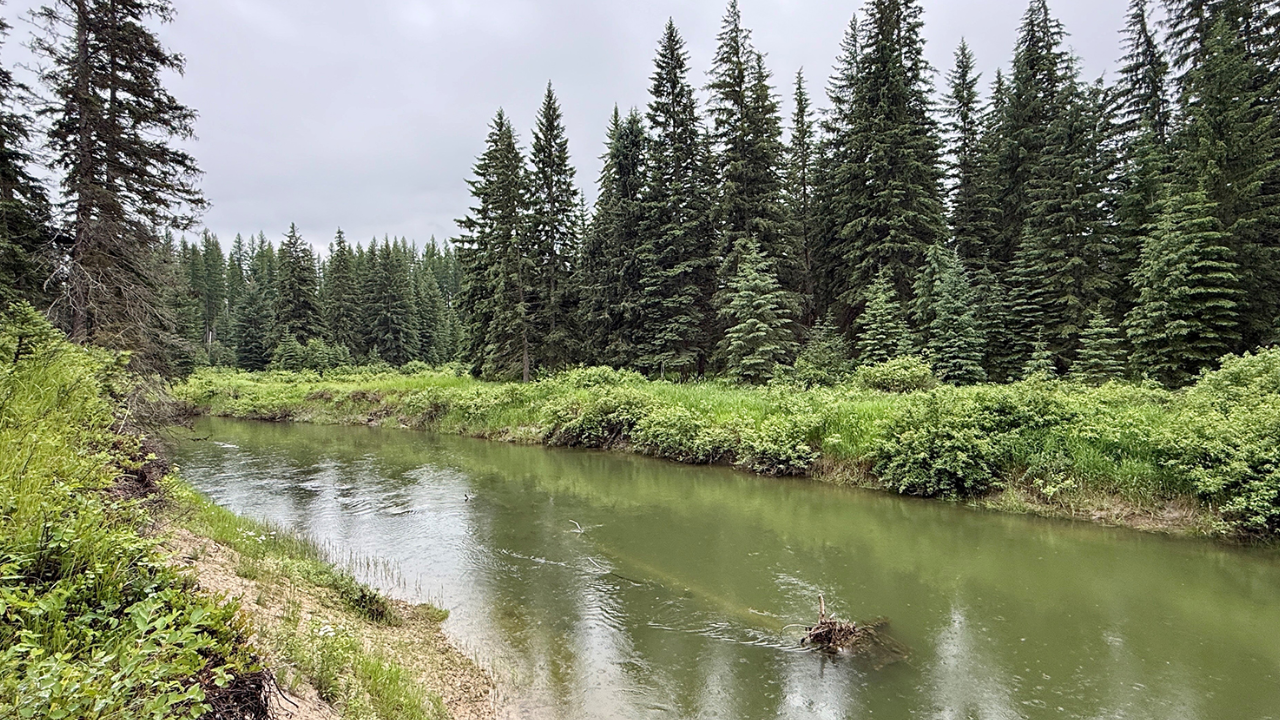
Riverfront property is inherently dynamic. Montana rivers shift courses, carve new banks, and scour floodplains during spring runoff. When an easement restricts landowners from building rip-rap or channelizing rivers to protect their acreage, tension builds between natural river mechanics and private infrastructure protection. A landowner watching their pasture wash downstream during a high-water event feels acute pressure to intervene, even if the easement demands non-interference with natural hydrological processes.
The long-term success of these agreements depends on adaptive management and genuine relationships between land trusts and landowners. Legal documents provide the guardrails, but day-to-day stewardship relies on people who understand that a healthy river system requires room to flood, erode, and evolve.
The Montana family keeping their riverfront intact through an easement is not participating in a fairy tale. They are engaging in a calculated, permanent land-use restriction that trades short-term financial windfalls for long-term landscape integrity. As development pressures continue to chew at the edges of western river valleys, the quiet persistence of these private corridors remains one of the few functional defenses against total ecological fragmentation.