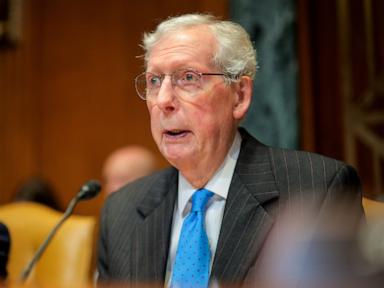
Mitch McConnell is finally heading home. After spending weeks out of sight following a serious fall in June, the 84-year-old Kentucky Republican announced his discharge from a rehabilitation center.
If you've been tracking Capitol Hill dynamics, you know this update is about far more than one man's medical chart. It shifts legislative leverage at a brutal time.
The immediate reality? McConnell plans to handle physical therapy from home while managing Senate business remotely during the state work period. But his prolonged absence exposed deep vulnerabilities in Republican scheduling just as crucial votes loom.
The Cost of Silence
Transparency matters in public office. For weeks, McConnell's office offered vague updates, saying only that he was improving. That silence backfired.
Kentucky Governor Andy Beshear publicly demanded clarity, asking for direct proof of capacity or a resignation. Social media quickly filled with conspiracy theories and demands for live video proof, driven by the fact that the public hasn't seen the senator in person since mid-June.
When leadership goes dark, vacuum politics take over. Rumors spread faster than official press releases. By the time McConnell clarified in July that he was briefly unconscious during the fall and battling a mild case of pneumonia, the damage to public trust was already done.
Shaking Up the Senate Floor
McConnell's absence wasn't just a political headache; it broke machinery.
Republicans operate on razor-thin margins. Without his physical presence and tie-breaking ability, major legislative items stalled out. The farm bill recently failed in committee without his vote. High-stakes confirmations face narrower paths on the floor.
Even though McConnell stepped down from formal GOP leadership in 2024, his vote remains a cornerstone of party strategy. With a five-week recess approaching and critical judicial nominations waiting, every single vote counts. Remote participation keeps him in the game, but it's not the same as being on the floor whipping votes.
The Final Countdown
McConnell isn't seeking reelection. His decades-long tenure in the upper chamber is winding down to its final months before he leaves office in January.
Yet his body is constantly reminding him—and us—that aging in American high-stakes politics has reached a crisis point. From previous concussions to freezing episodes caught live on camera, his health struggles mirror a broader institutional problem. We have an aging government relying on physical presence to pass laws, leading to constant bottlenecks when health crises hit.
Recovery at home marks a turning point for McConnell, but don't expect the scrutiny to fade. He faces an intensive physical therapy schedule, an anxious electorate back in Kentucky, and a Republican caucus that desperately needs stability before the next major legislative showdown. Watch how quickly he manages to project influence from a distance, because his final months in Washington are guaranteed to remain turbulent.


