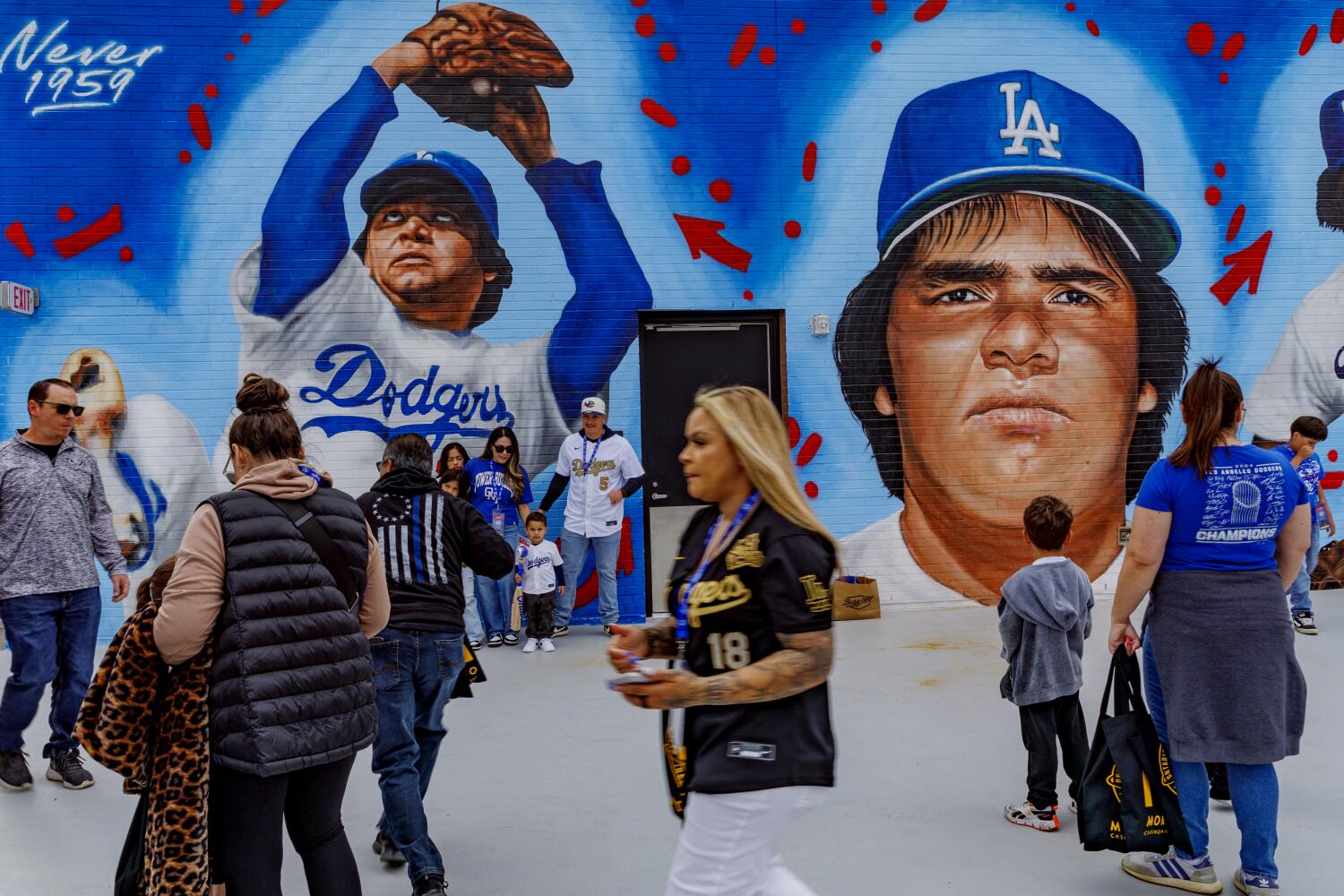
The romanticized narrative of the minor leagues is a lie sold to you by people who want to charge $12 for a lukewarm beer in a plastic cup.
Most sportswriters approach the opening day of a team like the Ontario Tower Buzzers—a low-level Los Angeles Dodgers affiliate—with a nauseating level of sentimentality. They talk about "the crack of the bat," the "dreams of the big leagues," and the local community coming together. They treat these teams like actual competitive entities striving for a championship.
They are wrong.
A Minor League Baseball (MiLB) team is not a sports team. It is a laboratory owned by a multi-billion dollar corporation, disguised as a circus to trick locals into subsidizing the development of human assets. If you think the Tower Buzzers exist to win games in Ontario, you don’t understand how the modern baseball machine functions.
The Myth of the Home Team
When the Tower Buzzers take the field, the scoreboard is the least important piece of data in the stadium. To the Dodgers front office, a 10-0 win where their top pitching prospect throws 45 pitches of "non-competitive" strikes is a catastrophic failure. Conversely, a 12-1 loss where a shortstop corrects a mechanical flaw in his swing is a massive victory.
The "lazy consensus" suggests that fans should care about the standings. They shouldn't. The standings are a byproduct of luck and the specific developmental needs of the parent club at that exact moment.
In my years analyzing organizational depth charts, I have seen elite prospects pulled from games in the middle of a pennant race because the big league club decided they needed to work on "weighted ball protocols" in a controlled environment. The fans in the stands thought they were watching a playoff push. They were actually watching a high-stakes corporate internship where the intern wasn't even allowed to try to win.
The Exploitation of Local Loyalty
The business model of an affiliate like Ontario relies on a fundamental misunderstanding of the product. The "product" isn't baseball; it's cheap family entertainment.
Major League Baseball restructured the entire minor league system recently, slashing the number of teams and tightening the grip on those that remained. Why? Efficiency. They realized they didn't need 160 teams to find 26 players. They only needed the ones that could provide the best data.
The Tower Buzzers exist because Ontario provides a specific geographic and demographic utility. It’s a place to park assets. When a writer tells you to "get out and support the boys," they are asking you to fund the R&D department of a team worth $5 billion.
- The Subsidy Trap: Local governments often shell out millions for stadium upgrades to keep these affiliates.
- The Talent Churn: By the time you learn the names of the starting rotation, half of them will be promoted, traded, or released.
- The Performance Gap: The quality of play at this level is often closer to high-end college ball than the "professional" standard most fans expect.
Efficiency Over Excellence
Let’s look at the math of player development. The Dodgers aren't looking for "good" players in Ontario. They are looking for outliers.
In a standard distribution of talent, 90% of the roster in Ontario will never see a Major League dugout. They are "org fillers"—players whose only job is to provide enough bodies so the three actual prospects have someone to play with.
If you are watching the Buzzers, you are watching a few millionaires-in-waiting surrounded by two dozen guys who will be selling insurance by age 27. The industry doesn't tell you this because it ruins the "magic." But the reality is that the Dodgers would play these games in an empty warehouse if they could get the same quality of Trackman data and Statcast metrics. The fans are just there to offset the electricity bill.
The Counter-Intuitive Way to Watch
If you insist on going to the ballpark, stop watching the game. Start watching the process.
Most fans look at the batting average. Batting average is a dead metric. It tells you what happened, not what will happen. If you want to actually understand what is happening on that field, look for these three things:
- Exit Velocity and Launch Angle: Is the player hitting the ball hard, even if it’s an out? The Dodgers care more about a 105 mph lineout than a 70 mph "bloop" single.
- Pitch Sequencing: Is the pitcher throwing a 3-2 changeup? In a real game, that’s risky. In Ontario, it’s a mandate from the front office to see if the kid has the guts to do it.
- Defensive Positioning: Watch the coaches. They aren't managing to win the inning. They are managing to test the range of a specific player.
The Dark Side of the "Affiliate" Label
The term "affiliate" sounds like a partnership. It’s more like a feudal relationship. The local owners of the Tower Buzzers have almost zero control over their own roster. They can’t sign a veteran "fan favorite" to boost attendance if the Dodgers don't want that veteran taking reps away from a 19-year-old from Curacao.
This creates a permanent tension. The business side wants to win to sell tickets. The baseball side wants to experiment to win World Series. The baseball side always wins.
I’ve seen minor league managers fired—not for losing games—but for winning them the "wrong way." If a manager bunts to move a runner over and win a 1-0 game, but the front office wanted that hitter to swing away to practice hitting high velocity, that manager is in trouble. Winning is a distraction from the data.
Stop Asking the Wrong Questions
People always ask: "Will the Tower Buzzers have a winning season?"
The honest answer is: Who cares?
The right question is: "Does this roster contain a league-average MLB contributor for the 2028 season?"
If the answer is yes, the season is a success even if they lose 100 games. If the answer is no, the team could win the league championship and the Dodgers would consider the entire year a waste of resources.
The Tower Buzzers aren't a team. They are a spreadsheet with a mascot.
Next time you see a headline celebrating the "return of baseball" to Ontario, remember that you aren't a fan of a team. You are a spectator at a corporate testing site. The players aren't playing for you; they are playing for a camera mounted behind center field that tracks the spin rate of their curveball.
Buy the hat because you like the logo. Drink the beer because it’s a nice evening. But don’t for a second believe the lie that the outcome of the game matters to anyone who actually runs the sport.
Go to the park. Watch the outliers. Ignore the score.