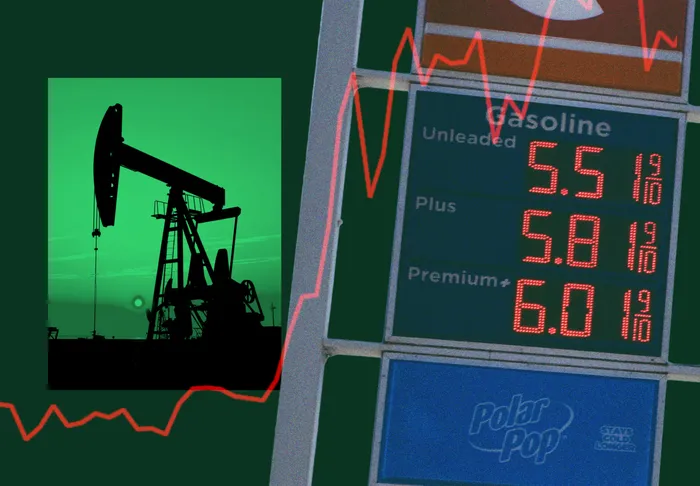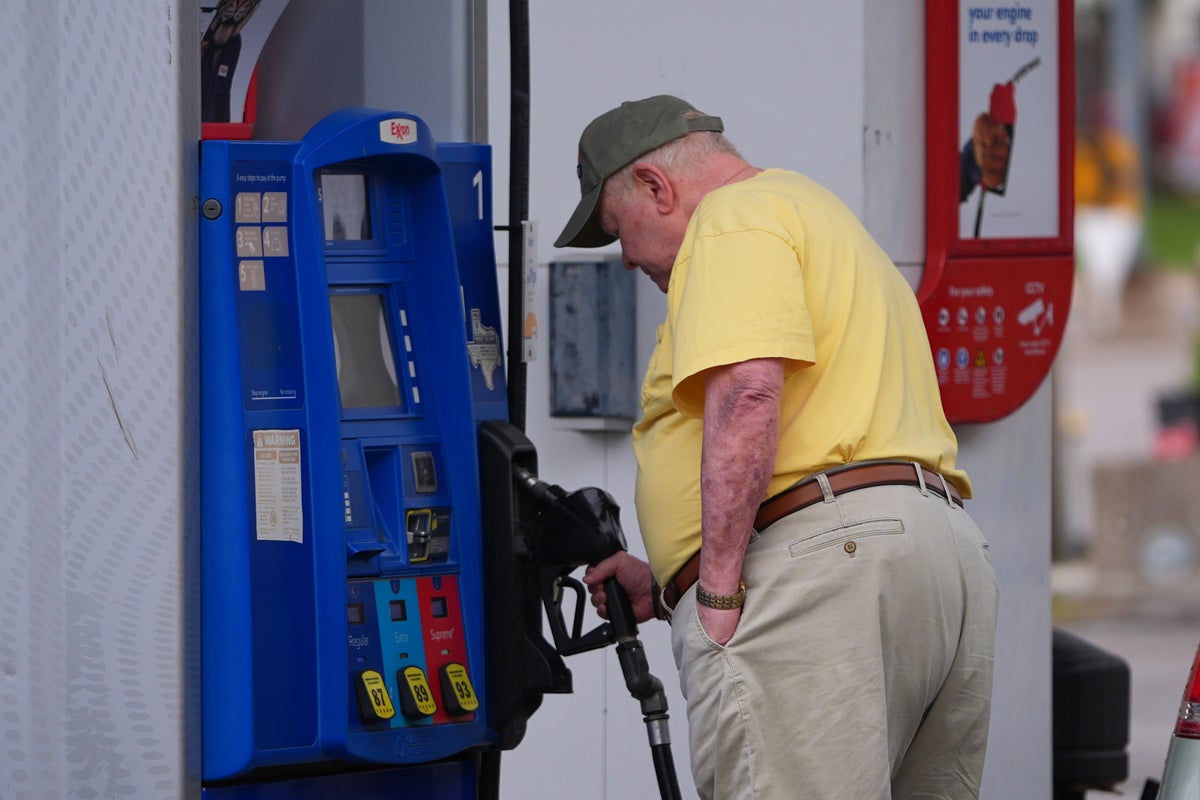
The American Midwest is currently the epicenter of a domestic energy crisis that has seen fuel prices in Ohio skyrocket by 72% since the outbreak of hostilities in Iran. While the national average recently breached the $4 mark for the first time in years, the industrial heartland is grappling with a localized explosion in costs that threatens to upend regional economies. This surge is not merely a byproduct of global crude volatility; it is the result of a fragile domestic supply chain meeting the blunt force of the Trump administration's Middle East escalation.
The Geography of a Price Shock
For decades, the Midwest enjoyed a relative buffer from the extreme price swings seen on the coasts. That buffer has vanished. In Ohio, drivers who were paying $2.83 per gallon before the February strikes on Iran are now staring at $4.88. This isn't a gradual climb. It is a vertical shock that has outpaced even California’s notoriously high-tax environment.
The mechanism behind this regional disparity is often misunderstood. The United States does not import significant quantities of Iranian oil, yet the market acts as if the taps have run dry. When the Strait of Hormuz—the artery for 20% of the world's seaborne oil—was effectively throttled by the conflict, global buyers like China and India were forced to bid for supplies elsewhere. This created a vacuum that pulled every available barrel toward the highest bidder, driving West Texas Intermediate (WTI) crude into the triple digits.
For Ohio and its neighbors, the pain is compounded by "crack spreads"—the profit margin refiners take to turn crude into gasoline. Midwest refineries, already operating at near-total capacity, have struggled to keep pace with a sudden shift in demand and the logistical nightmare of redirected supply lines. When supply is tight and the primary ingredient costs 44% more than it did eight weeks ago, the consumer at the pump in Columbus or Dayton pays the "panic premium."
The Refined Product Bottleneck
While the White House has signaled a willingness to release Strategic Petroleum Reserve (SPR) stocks, the move provides little more than a temporary psychological floor for the market. The issue isn't just the crude; it's the refining capacity.
The Midwest relies on a specific network of pipelines and refineries that are currently undergoing the costly annual transition to summer-blend fuel. This transition requires a temporary halt in production, a standard procedure that has become a catastrophe in the current geopolitical climate. We are seeing a "perfect storm" where seasonal maintenance coincides with a global supply shock.
- Regional Isolation: Unlike the Gulf Coast, which can export and import with ease, the Midwest is largely landlocked, making it dependent on internal pipelines that are already at their limit.
- Summer Blends: The requirement for more expensive, less-volatile summer gasoline adds an estimated 15 to 25 cents per gallon to production costs.
- Diesel Contagion: Diesel prices in Ohio have climbed even faster than gasoline, surpassing $5 per gallon. Since nearly every consumer good in the region arrives via truck, this fuel hike is currently embedding itself into the price of groceries and essential goods.
The Policy Paradox
There is a deep irony in the current administration’s energy stance. President Trump campaigned on a promise to halve energy costs, yet the decision to engage in a direct kinetic conflict with Iran has achieved the exact opposite. The administration's "Ratepayer Protection Pledge" and the dismantling of clean energy incentives under the "One Big Beautiful Bill Act" (OBBBA) were marketed as cost-saving measures. In reality, they have left the domestic grid and transport sectors more tethered to the volatility of fossil fuels than ever before.
By phasing out tax credits for wind and solar—the fastest-deploying energy sources—the current policy has slowed the diversification that could have shielded the Midwest from this specific type of shock. Instead, the region remains locked into a 20th-century energy model that is now being taxed by a 21st-century war.
The financial windfall for big oil is undeniable. While the average Ohio real estate agent sees their monthly fuel bill jump from $500 to $850, companies like ConocoPhillips and BP are reporting profit increases of over 80%. This transfer of wealth from the Rust Belt to energy majors is the quiet reality of the Iran conflict.
Economic Aftershocks
The 72% jump in Ohio is not just a statistic for the evening news; it is a weight on the neck of the regional recovery. Consumer spending accounts for 70 cents of every dollar in the U.S. GDP. When a household in Toledo has to choose between a full tank of gas and a weekend out, the service economy feels the squeeze immediately.
Economists are now warning of "stagflation"—a period of stagnant growth coupled with high inflation. With the Consumer Price Index hitting 3.3%, its highest level since mid-2024, the Federal Reserve faces a nightmare scenario. Raising rates to combat inflation could stall a Midwest manufacturing sector already reeling from high energy inputs.
The Strait of Hormuz remains the world’s most dangerous choke point. As long as the conflict persists, the "Midwest Gas Trap" will continue to drain the wallets of a region that was promised relief, only to find itself footing the bill for a war half a world away. There are no easy exits from this pricing structure; the damage to the supply chain and the trust of the American driver has already been done.