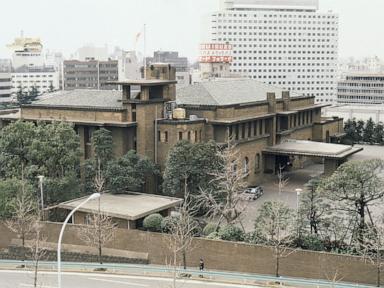
The heavy oak doors of the kotei do not just close; they seal out the modern world. Built in 1929 out of dark brick and stubborn stone, the historic official residence of Japan's prime minister sits quiet and imposing in the heart of Tokyo. It is a structure heavy with history, scarred by the echoes of 1930s coup attempts, and whispered to be home to more than just state secrets.
Inside these walls, Prime Minister Sanae Takaichi finds her sanctuary and her crucible.
When the sun dips below the Tokyo skyline, most leaders step away from the crushing gravity of statecraft. They seek counsel, negotiate over dinners, or retreat to private family lives. But Takaichi remains locked inside the kotei. Hours bleed into one another. Mountains of white papers regarding national growth strategies and budget allocations pile higher on mahogany desks. Sleep is reduced to a stolen fragment—sometimes zero to three hours a night.
Critics look at this midnight isolation and see a dangerous retreat. They point to falling support ratings, stalled legislative dialogue, and a growing distance between the executive office and the parliamentary floor. They argue that holing up behind stone walls avoids accountability, shielding a leader from the messy, necessary friction of face-to-face politics.
Consider the alternative argument, voiced by the prime minister herself through midnight dispatches on social media. Zero commute means zero wasted seconds when crisis strikes. In a nation vulnerable to sudden earthquakes and rapid geopolitical tremors, proximity to the office is tactical. The residence has been retrofitted into an auxiliary command center, allowing remote briefings, late-night consultations, and uninterrupted document review.
Yet, the tension goes deeper than efficiency metrics.
Imagine walking those dim hallways at two in the morning. The air is cold, carrying the weight of nearly a century of political turmoil. Legends of phantom soldiers linger in the corners of public imagination, though Takaichi has noted a far more grounded earthly terror. She has confessed to jumping in shock when a stray cockroach scuttled across the floorboards.
Between dodging insects and parsing dense economic data, another reality unfolds. Takaichi spends her sparse moments of actual downtime doing what millions of ordinary citizens do after a grueling shift: washing dishes, scrubbing the bathroom, sewing loose buttons onto jackets, and doing laundry. This strange juxtaposition—the leader of the world's fourth-largest economy hand-washing her own skirts while wrestling with complex state budgets—presents a deeply human contradiction.
This hyper-fixation on solo labor, however, sparks a fierce cultural debate across Japan. Labor advocates and legal experts watch with growing alarm. Japan has long fought to dismantle its punishing culture of overwork, known as karoshi. When the nation's first female leader proudly champions a lifestyle of relentless, sleep-deprived toil, critics argue it sends a regressive signal to a workforce desperately seeking gender equality and sustainable work-life balance. Setting the bar at three hours of sleep normalizes an unsustainable standard.
The seclusion also changes the texture of governance itself. Politics thrives on proximity, on the casual hallway chats and unspoken compromises forged over late-night cups of tea with rival lawmakers. By retreating into the fortress of the kotei and broadcasting policy updates directly to digital followers, traditional parliamentary negotiation risks being replaced by a digital monologue.
The heavy brick walls keep the chaos of the outside world at bay, but they also risk locking out dissent.
Silence stretches across the grand rooms of the residence. The documents keep coming, demanding annotations, corrections, and sign-offs before dawn breaks over Tokyo. The light beneath the prime minister's door remains stubbornly switched on, cutting through the dark.