For decades, global politics operated like a theater production where three actors took center stage while everyone else sat in the dark. Whenever Washington, Beijing, and Moscow floated the idea of a high-stakes leaders summit, capitals from Canberra to Jakarta held their breath. They wondered how a grand bargain between superpowers might redraw trade routes, security pacts, and regional stability behind closed doors.
That habit of passive expectation is dying.
Middle powers are realizing that waiting for a trilateral summit to dictate the rules of international order is a fast track to irrelevance. Instead of looking to diplomatic sidelines or international summits for permission to act, sovereign states across the Indo-Pacific, Europe, and Latin America are forging their own mini-alliances, diversifying supply chains, and refusing to be treated as diplomatic collateral.
The Myth of the Great Power Monopoly
The fascination with elite summits ignores basic political reality. When dominant nations meet, they talk about what benefits them. They don't lose sleep over regional stability in Southeast Asia or supply chain vulnerabilities in Eastern Europe unless those issues directly serve their immediate electoral or strategic narrative.
Look at how diplomatic choreography works. When proposals for a new Yalta-style carve-up circulate among major capitals, smaller and mid-sized nations are routinely expected to fall in line. But the world economy is too multipolar now for top-down dictation to stick. If you rely entirely on superpowers to maintain your security or guarantee your trade, you are volunteering to be a spectator in your own backyard.
Smart governments know this. They are cutting through the noise of high-level photo ops and building practical bilateral and regional architecture that functions independently of whatever Washington or Beijing decide over dinner. When foreign ministers stop treating superpower meetings as historical watersheds and start treating them as background noise, real diplomacy begins.
Minilateralism in Action
Diplomacy has changed shape. Traditional multilateral institutions often move at a snail's pace, paralyzed by vetoes and bureaucratic gridlock. To bypass this, middle powers are turning to minilateralism. These are nimble, task-specific coalitions of like-minded nations that share immediate security or economic concerns.
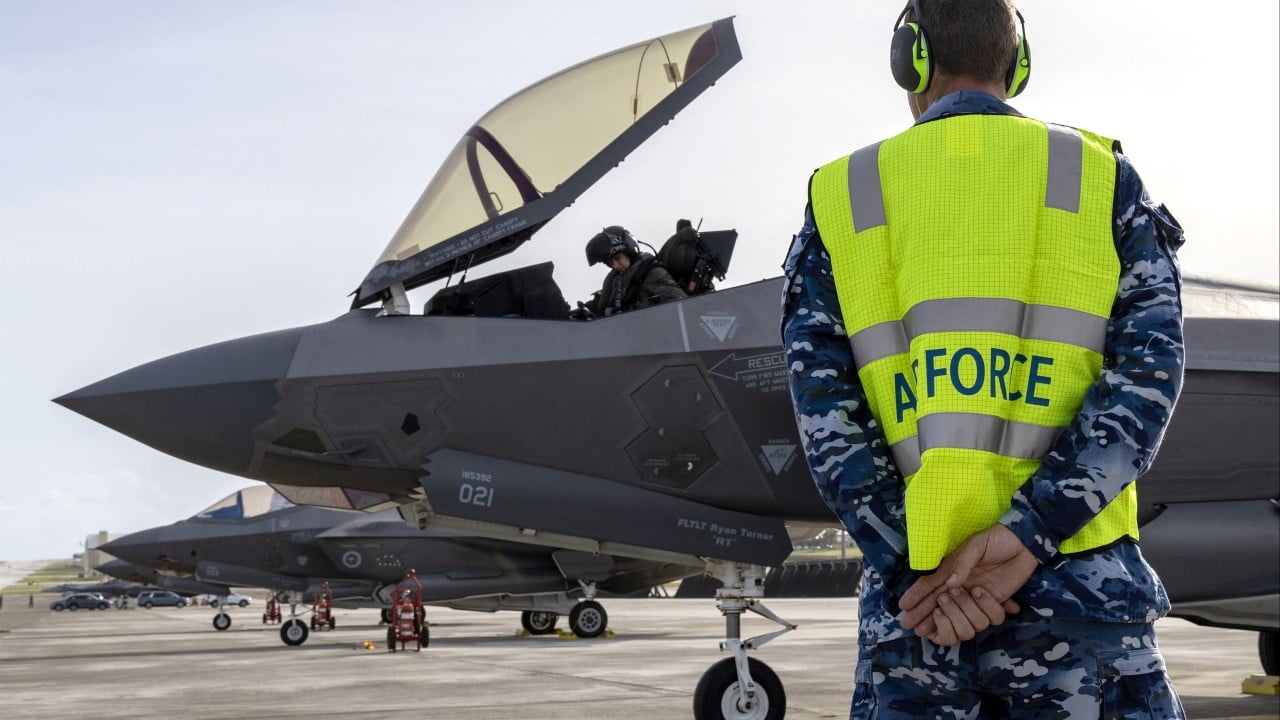
Take maritime security cooperation across the Indo-Pacific. Nations that once hesitated to coordinate defense drills without a superpower blessing are now running joint exercises, sharing intelligence feeds, and standardizing maritime patrol protocols directly with each other. They aren't waiting for a global mandate. They are securing their own shipping lanes because global trade doesn't pause while superpowers argue over tariff rates or nuclear arsenals.
Similarly, technological resilience is driving new partnerships. Critical mineral supply chains, semiconductor security, and green energy manufacturing are no longer areas where middle powers wait for technology transfers from the top down. Countries rich in natural resources are refusing raw-export traps. They are trading processed inputs directly with industrial manufacturing hubs, creating peer-to-peer economic interdependence that bypasses traditional imperial trade dependencies.
Middle powers are also launching digital governance pacts, establishing shared data standards and cybersecurity protocols that protect their digital sovereignty against aggressive cyber espionage from major actors. By pooling technical expertise and regulatory muscle, they create standards that tech giants and superpower regulators cannot simply ignore.
Economic Diversification As Realpolitik
For a long time, economic security meant picking a side. You tied your currency and your primary export market to a dominant hegemon and hoped for the best. That model broke down the moment trade weaponization became routine policy.
Today, middle powers are practicing aggressive diversification. If a dominant power tries to penalize a regional player with market access restrictions or sudden tariff hikes, the targeted nation doesn't simply fold. It pivots toward alternative trade blocs, regional free trade agreements, and direct investment loops with other rising economies.
This is not altruism. It is basic self-preservation. When you have multiple viable trade partners, your vulnerability to coercion drops sharply. Nations across Latin America, Africa, and Southeast Asia are aggressively courting trade agreements with multiple hemispheres, trading agricultural goods, technology, and energy without asking for clearance from a superpower capital.
Local currency settlements and bilateral swap lines are also surging. By reducing reliance on a single dominant reserve currency for regional trade, middle powers insulate their domestic banking sectors from external monetary shocks triggered by foreign central banks.
The Cost of Compliance
Aligning blindly with a superpower comes with a heavy invoice. History is full of examples where smaller allies were pressured into conflicts or economic embargoes that drained their domestic resources while offering zero strategic return.
When major powers push for zero-sum loyalty tests, middle powers pay the heaviest price. They absorb the economic shocks of trade wars and bear the regional fallout of great power friction. Recognizing this asymmetry changes how foreign policy is executed in capitals outside the traditional inner circle.
Refusing to join a loyalty bloc doesn't mean isolationism. It means strategic non-alignment practiced with teeth. It means saying yes to cooperation on clean energy or climate adaptation with one superpower while firmly pushing back against maritime territorial overreach by another. It means maintaining commercial ties with competing giants while keeping your sovereign decision-making strictly within your own borders.
What Pragmatic Diplomacy Looks Like
If you want to understand where international relations are heading, stop watching press conferences and start watching trade ministries and defense procurement offices.
Middle powers are quietly investing in indigenous defense manufacturing, cybersecurity shields, and localized financial clearing systems. They are building diplomatic muscle through joint statements, regional coalitions, and persistent institutional pushback at the United Nations and other multilateral bodies.
They are also mastering the art of transactional diplomacy. Instead of signing long-term strategic blank checks, they negotiate specific, time-bound agreements that address concrete problems like food security, digital infrastructure, and supply chain redundancy.
The era of waiting for three men in a room to decide the fate of the international community is over. The middle powers that thrive in the coming decade will be the ones that stop waiting for permission, stop believing in grand bargains, and start writing their own rules of engagement.