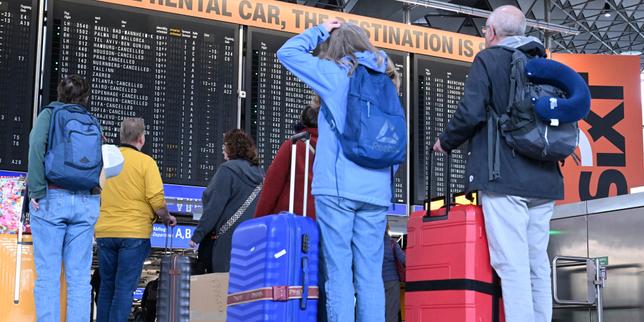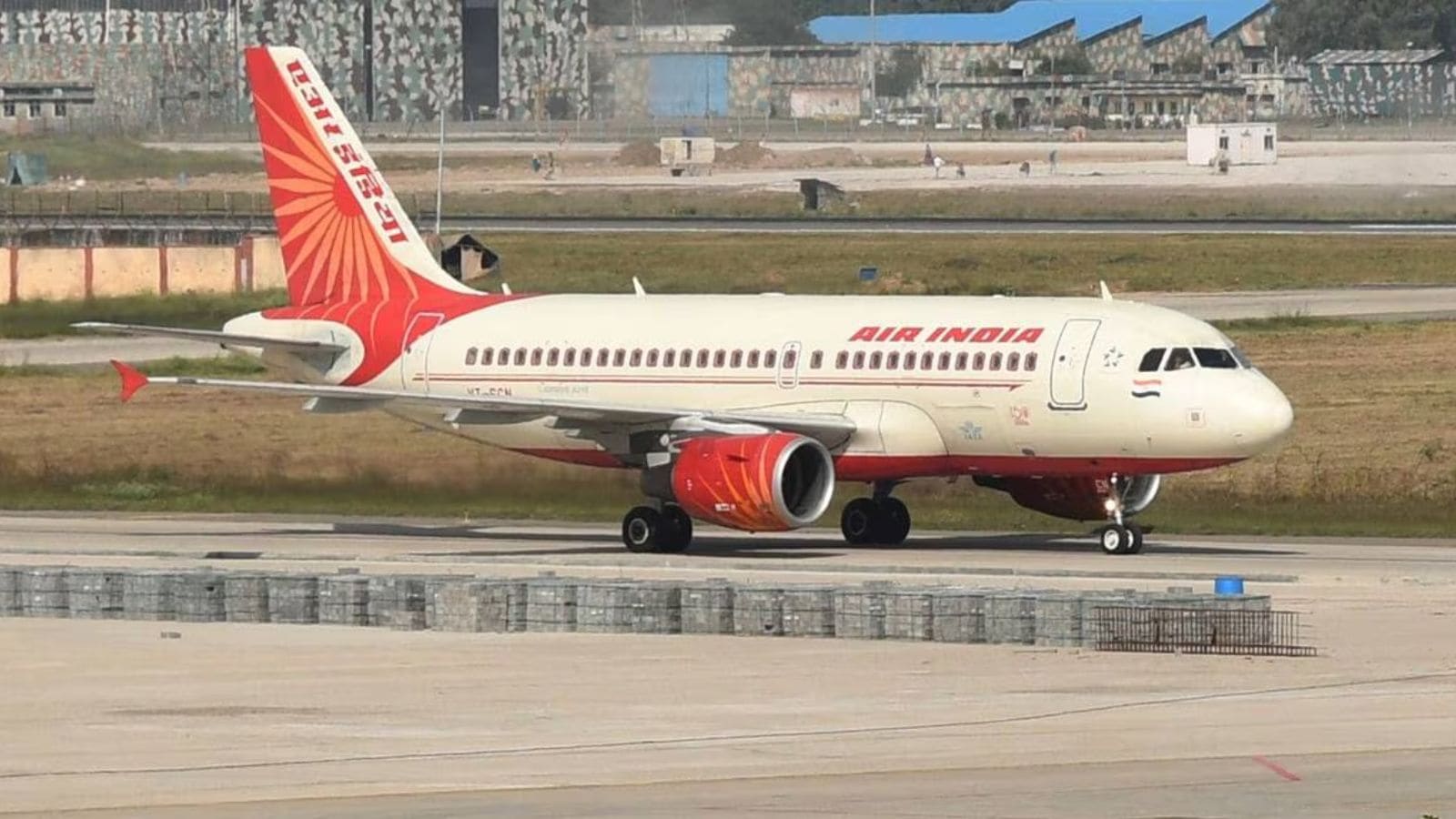
Air travel through the Middle East is currently a mess. If you've looked at a flight tracker lately, you've seen the jagged lines and sudden detours that define the region's airspace. Tensions are high, and the ripple effects are hitting your wallet and your schedule. While some outlets focus on the doom and gloom, the real story is how major players like Air India and Etihad Airways are fighting to keep the gears turning. They're not just flying; they're pivoting in real-time.
You shouldn't panic, but you absolutely need a plan.
Recent geopolitical shifts forced several airlines to temporarily halt services or reroute around Iranian and Israeli airspace. This isn't just about safety. It's about fuel costs, crew hours, and the sheer logistics of moving thousands of people through a narrowing corridor of "safe" sky. When a flight from Delhi to London has to avoid certain zones, it adds hours to the trip. Those hours mean more fuel. More fuel means higher ticket prices for you.
How Air India and Etihad are handling the chaos
Air India has been particularly aggressive in its recovery strategy. After a brief pause on certain routes, the carrier is working to restore its full schedule. They've shifted from a reactive stance to a proactive one. They aren't just waiting for the dust to settle. Instead, they're using alternative flight paths that, while longer, ensure the schedule remains predictable.
Etihad Airways is doing something similar out of its hub in Abu Dhabi. They've been remarkably transparent about the fact that "slight delays" are the new normal. Etihad’s operations team is effectively playing a high-stakes game of 3D chess. They're monitoring regional developments by the minute. If a certain segment of airspace becomes too risky, they divert. It sounds simple, but the coordination required to manage hundreds of connecting flights in Abu Dhabi is staggering.
Both airlines are ramping up operations because they know the demand hasn't gone away. People still need to get home. Business still needs to happen. The resilience we're seeing from these carriers is a masterclass in crisis management, even if your 10-hour flight just turned into a 12-hour one.
The hidden cost of rerouting through safe zones
When an airline says they're "rerouting," they aren't just taking a slightly different left turn. They're often adding 500 to 1,000 extra miles to a journey. This puts immense pressure on the aircraft's fuel reserves and the pilots' legal working limits.
I've seen how this plays out on the ground. A flight that departs late because it had to take on extra fuel might miss its landing slot at Heathrow or JFK. Then the "stacking" begins. You're circling over a city for forty minutes because the Middle East airspace was congested four hours ago. It’s a chain reaction.
- Fuel Surcharges: Expect these to creep up. Airlines can't absorb the cost of a 20% longer flight path forever.
- Connection Risks: If your first leg is delayed by an hour due to a detour, your 90-minute layover in Dubai or Doha is basically gone.
- Aircraft Availability: Longer flights mean planes spend more time in the air and less time at the gate being serviced for the next leg. This thins out the entire fleet's availability.
Basically, the system is stretched thin. You're feeling that tension every time you check your gate status.
Why some airlines are staying and others are leaving
It's fascinating to watch the divide in the industry. Western carriers, often more risk-averse or bound by different insurance mandates, were the first to pull out of Tel Aviv or Beirut. On the other hand, regional giants like Qatar Airways, Emirates, and Etihad often maintain operations longer.
This isn't just bravado. These airlines have a deeper understanding of the local landscape and, quite frankly, more at stake. Their entire business model relies on being the bridge between East and West. If that bridge closes, their hubs become ghost towns.
Air India is in a unique spot here too. India has massive diaspora populations across the Gulf. Stopping these flights isn't just a business hit; it's a massive diplomatic and social headache. That's why you see them pushing so hard to keep the Delhi-Tel Aviv or Mumbai-Dubai routes active, even if it means taking the long way around.
Navigating the uncertainty as a passenger
Stop checking your flight status once a day. That's not enough anymore. If you're flying through the Middle East right now, you need to be checking it every three hours. Better yet, download the airline's app and enable push notifications.
Don't book "tight" connections. If you have the choice between a two-hour layover and a five-hour layover in Abu Dhabi, take the five-hour one. Honestly, you'll probably need it. Use that extra time to find a lounge, grab some food, and charge your devices. The stress of sprinting through an airport because your flight had to avoid a conflict zone is not worth it.
If your flight is canceled, don't just stand in the 200-person line at the airport counter. Get on your phone. Call the airline's international support lines—sometimes the line in Australia or the UK has a shorter wait time than the one in the US or India. Use social media too. I've had better luck getting a rebooking through a DM than I have standing in a physical line.
Your rights when things go sideways
Check the fine print of your ticket. If you're flying an EU-based airline or departing from an EU airport, you're protected by EC 261. This can entitle you to compensation for long delays. However, "extraordinary circumstances"—which often include regional instability—can be used by airlines to get out of paying.
Even if they don't owe you cash, they owe you a duty of care. That means food vouchers, phone calls, and hotel stays if you're stuck overnight. Don't be "that guy" screaming at the gate agent, but do be firm about what you need.
I always tell people to check their credit card's travel insurance. Many high-end cards from Chase, Amex, or Citi have built-in trip delay reimbursement. If your flight is delayed by more than six hours due to these disruptions, your card might cover your hotel and meals, regardless of what the airline says.
Look at the big picture of travel in 2026
The reality is that airspace is a finite resource. As certain areas become "no-fly" zones, the remaining corridors get crowded. Think of it like a five-lane highway suddenly narrowing down to two lanes during rush hour. Everyone slows down.
Airlines like Air India and Etihad are doing the heavy lifting to keep the world moving, but they can't control the geopolitical weather. They're adapting. You have to adapt too.
Travel insurance is no longer optional. If you're booking a trip through the Middle East without "Cancel For Any Reason" (CFAR) coverage, you're gambling. The situation changes week to week. What’s open on Monday might be closed by Friday.
Pack an extra day's worth of essentials in your carry-on. This includes your chargers, medications, and maybe a clean shirt. If you get diverted to a city you never planned on visiting, you don't want to be waiting for checked luggage that might not even leave the plane.
Stay informed, stay flexible, and keep your expectations realistic. The planes are flying, but the "seamless" travel experience is on a temporary hiatus. Plan for the delay, and you won't be disappointed when it happens. Verify your flight status right now on the official airline portal and double-check your connection times. If it's under three hours, call the airline and see if they can move you to a later connecting flight for peace of mind.