The fragile silence in the Middle East has reached its breaking point. As the current ceasefire expires, the window for diplomatic maneuvering has slammed shut, leaving the region on the edge of a broader, more devastating confrontation. Tehran has officially rejected any further extension of the truce, signaling that its patience with back-channel negotiations has run dry. Simultaneously, the rhetoric coming from the Trump administration indicates a shift from cautious observation to an active readiness for engagement. The collision course is no longer a future possibility; it is the immediate reality.
The failure of this ceasefire is not a result of a single misunderstanding. It is the consequence of systemic distrust and the pursuit of incompatible strategic goals. While the international community hoped for a cooling-off period, both Iran and the United States used the time to recalibrate their tactical positions rather than find a path toward peace.
The Strategy Behind the Iranian Refusal
Tehran’s decision to walk away from the negotiating table is a calculated risk designed to project strength. For the Iranian leadership, continuing a ceasefire that does not offer significant relief from economic sanctions or security guarantees is seen as a slow death. They have watched the American political climate shift and have concluded that they have more to lose by appearing weak than by risking an escalation.
The internal pressure within Iran cannot be ignored. The hardliners in the Revolutionary Guard see the ceasefire as a trap, a way for the West to limit Iranian influence while maintaining an economic stranglehold. By saying "we will not talk," Iran is attempting to regain the initiative. They want to force the world to deal with them on their terms, even if that means moving toward the brink of open conflict. This is a high-stakes gamble. If the Iranian leadership miscalculates the American response, they may find themselves in a war they are not fully prepared to win.
The Trump Factor and the Signal for Action
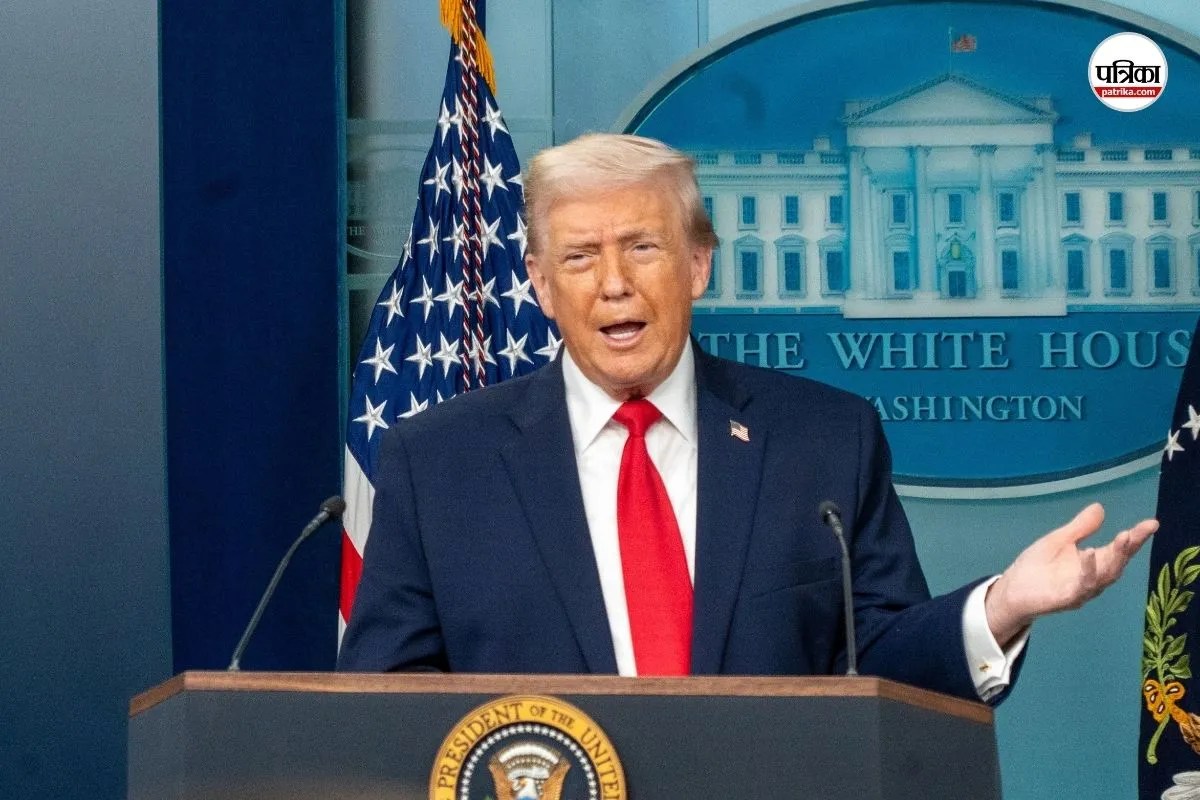
On the other side of the Atlantic, the tone has shifted toward an unapologetic stance of "maximum pressure." Donald Trump’s recent signals indicate that the era of strategic patience is over. His administration is leaning into a narrative that only a decisive show of force can deter Iranian ambitions. This is not just campaign rhetoric; it is a fundamental shift in how the U.S. intends to manage its interests in the region.
The signals for the start of hostilities are embedded in the deployment patterns and the hardening of diplomatic language. When the White House speaks about "ending the cycle," it is often a precursor to military action intended to reset the status quo. The U.S. is signaling to its allies and its enemies that it is ready to move beyond the stalemate of the last few months.
The Failure of Proxy Diplomacy
For years, the conflict has been fought through shadows and proxies. This ceasefire was supposed to be the moment where those proxies were reigned in. Instead, the opposite happened. Groups across the region used the lull in direct fighting to replenish their arsenals and move into more aggressive positions.
The inability of either side to control their local partners has made the ceasefire essentially meaningless. You cannot have a peace agreement when the boots on the ground are still actively preparing for the next offensive. This disconnect between the diplomats in Geneva or New York and the commanders in the field has been the fatal flaw of every recent attempt at de-escalation.
The Economic Impact of a New War
Beyond the immediate loss of life and geopolitical shifts, the economic consequences of a resumed conflict will be felt globally. The oil markets have already begun to react to the news of the ceasefire's end. We are looking at a potential spike in energy prices that could destabilize fragile economies.
- Supply Chain Disruption: The Strait of Hormuz remains the most critical chokepoint in the global energy trade. Any sign of naval conflict there will send insurance rates through the roof and delay shipments for months.
- Regional Stability: The neighboring Gulf states, many of whom have been trying to diversify their economies, find themselves caught between two giants. Their growth plans depend on a stability that is currently evaporating.
- Global Inflation: A sustained conflict in the Middle East is the quickest way to reignite the inflationary fires that have only recently begun to cool in the West.
Military Preparedness in the Region
The hardware is already in place. We are seeing a concentration of naval assets in the Eastern Mediterranean and the Persian Gulf that suggests a multi-front contingency plan. This is not just a show of force; it is a tactical setup for potential strikes against infrastructure.
Iran’s missile capabilities have evolved. They are no longer the rudimentary systems of a decade ago. Their drone technology, as seen in other global conflicts, is capable of overwhelming traditional defense systems through sheer volume. The U.S. and its allies are aware of this, which is why the current buildup includes an unprecedented focus on integrated air defense and electronic warfare.
The Overlooked Human Cost
While the analysts talk about chess moves and strategic depths, the civilian population remains the most vulnerable. Displacement in the border regions is already starting. People who returned to their homes during the brief truce are once again packing their bags. The psychological toll of living in a state of perpetual "almost war" is creating a generation of people who have no faith in international institutions or the possibility of a peaceful future.
The Broken Infrastructure of Peace
The UN and other international bodies have proven to be largely irrelevant in this specific crisis. Their calls for restraint are met with silence or derision from the primary actors. The mechanism for peace is broken because it relies on a shared reality that no longer exists. Each side has its own set of facts, its own history of grievances, and its own definition of what a "fair" outcome looks like.
Without a shared baseline for negotiation, the only language left is that of power. This is the brutal truth of the current situation. Diplomacy requires a level of trust that has been completely eroded by decades of broken promises and covert operations. When the ceasefire ends tonight, it won't just be the end of a temporary break in fighting; it will be the end of the illusion that words alone can settle this dispute.
Strategic Realignment of Regional Powers
The silence from other regional heavyweights is deafening. Countries like Saudi Arabia and the UAE are watching closely, aware that their own security is tied to how this confrontation unfolds. They are no longer willing to be the primary battleground for a war between Washington and Tehran. Their shift toward a more independent foreign policy adds another layer of complexity to the situation. They are hedging their bets, maintaining lines of communication with both sides while reinforcing their own borders.
This realignment means that the U.S. can no longer count on a unified regional front. The "with us or against us" approach of previous decades does not work in a multipolar environment where economic interests often outweigh traditional alliances.
The Technological Edge in Modern Warfare
If the conflict resumes, it will look nothing like the wars of the early 2000s. We are entering the era of AI-driven targeting and autonomous systems. The speed at which a skirmish can escalate into a full-blown crisis has increased exponentially. Decisions that used to take hours now happen in seconds, leaving very little room for human intervention to pull back from the brink.
This technological shift makes the end of the ceasefire even more dangerous. There is a very real possibility of an automated escalation—a scenario where an AI-managed defense system reacts to a perceived threat, triggering a counter-response before any political leader has even been briefed.
Redefining the Red Lines
The "red lines" that used to govern this conflict have been crossed so many times they are now blurred. For years, the development of certain nuclear capabilities or the targeting of specific assets was considered a trigger for war. Now, those triggers have been normalized. This normalization of high-risk behavior has created a situation where neither side knows exactly what will provoke the other into a total response.
This ambiguity is not a deterrent; it is a catalyst for disaster. In the absence of clear boundaries, both Iran and the U.S. are likely to push as far as they can, hoping the other side will blink first. But when both sides are committed to not blinking, the collision is inevitable.
The expiration of the ceasefire marks the moment where the talking stops and the reality of the situation takes over. The preparations are done, the rhetoric has been sharpened, and the actors are in their positions. The global community can only watch as the most volatile region in the world moves into its next, and perhaps most dangerous, chapter. The time for warnings has passed. The gears of a larger machine are already in motion, and they are not designed to be stopped easily once they have begun to turn.
Military commanders are now operating on tactical timelines rather than political ones. This shift from the boardroom to the war room is the final indicator that the period of restraint has officially ended. There are no more mediators left in the room who hold the trust of both parties. The silence that follows the official end of the truce will not be one of peace, but the quiet before a storm that has been brewing for years.