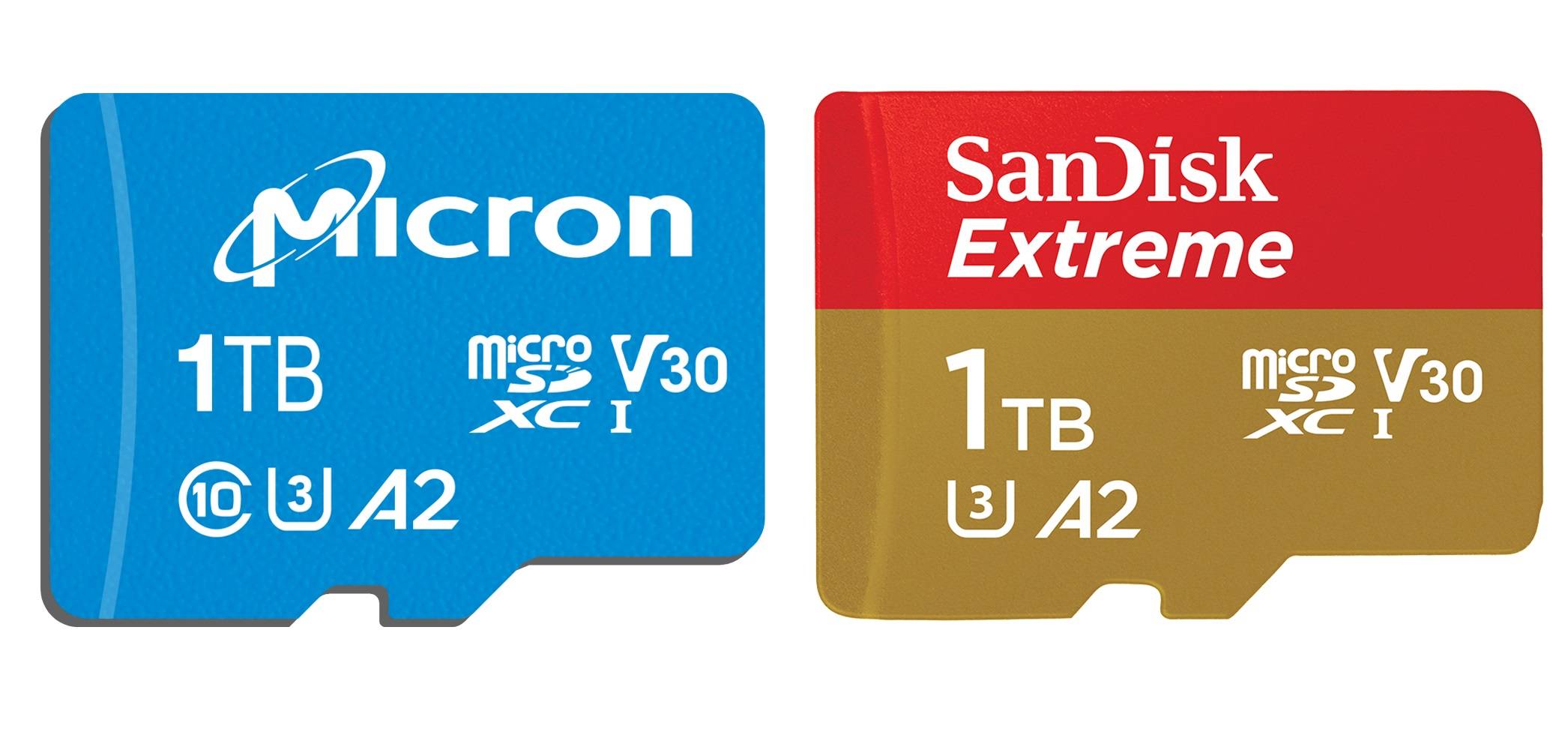
The stock market usually hates a "crowded trade," but right now, the memory chip sector is defying gravity for a very simple reason. We aren't just in a typical cyclical uptrend. We're in a structural deficit that's essentially been engineered by the sheer scale of the AI buildout. If you've been watching Micron and SanDisk (Western Digital) hit new highs and thinking you missed the boat, you're looking at the wrong map.
Wall Street isn't just betting on a good quarter. They're betting on the fact that these companies have already sold every high-end chip they can possibly bake through the end of 2026. When supply is zero and demand is infinite, the price tag becomes an afterthought. For another view, read: this related article.
The High Bandwidth Memory Sellout
Micron recently dropped a bombshell that should have made every tech investor sit up. They've fully allocated their 2026 High Bandwidth Memory (HBM) supply under long-term agreements. Every single bit. This isn't just "strong demand." It's a total sellout.
Think about what that means for a second. We're in early 2026, and a major semiconductor player has already closed the order books for next year. This creates a massive moat. In previous cycles, memory was a commodity. You bought it on the spot market, prices crashed when supply went up, and everyone lost money. Now, the big AI players—Nvidia, Microsoft, and Google—are signing multi-year contracts at fixed, rising prices just to ensure they don't get left behind. Further analysis regarding this has been provided by MarketWatch.
Micron's HBM3E and upcoming HBM4 are the secret sauce here. These chips don't just store data; they act as the high-speed transit system for AI GPUs. Without them, an H100 or Blackwell chip is basically a very expensive paperweight. Micron was late to the HBM party a couple of years ago, but they've staged a comeback that's arguably the most impressive turnaround in the industry.
SanDisk and the Quiet NAND Explosion
While Micron handles the "brain" speed with DRAM, SanDisk (operating under Western Digital) is dominating the "memory bank" side with NAND flash. The narrative for a long time was that NAND was oversupplied. That's dead.
Enterprise SSD prices—the heavy-duty storage drives used in data centers—jumped nearly 40% in the first part of 2026. Why? Because AI doesn't just need fast processing; it needs to store massive datasets to train on. SanDisk is seeing a 64% quarter-on-quarter revenue jump in its data center segment.
Here's the kicker that most people miss. Manufacturers aren't building new factories fast enough. Goldman Sachs recently pointed out that supply-demand tightness is intensifying because these companies are being "rational." Instead of building massive new plants that might lead to a glut in three years, they're slowly upgrading existing lines. This means the supply shortage isn't a glitch; it's the new baseline.
The Goldman Upgrade and Pricing Power
When Goldman Sachs raises price forecasts significantly, the market moves. But the "why" matters more than the "how much." They identified three factors that are basically a perfect storm for Micron and SanDisk:
- AI Server Dominance: These machines use three to four times the memory of a standard server.
- Limited Capacity: No major new "greenfield" capacity is expected until 2027 or 2028.
- Product Crowding: Because everyone is rushing to make high-margin HBM, they're ignoring standard DRAM and NAND. This is driving up prices for the "cheap" chips used in laptops and phones too.
Basically, if you want to buy a laptop or a smartphone in late 2026, you're going to pay an "AI tax" because the memory inside it is suddenly a scarce resource.
Valuations Are Not as Crazy as They Look
You'll hear bears scream about Micron being "overvalued" because the stock price has doubled. Don't fall for it. Looking at price-to-earnings (P/E) ratios in a vacuum is a rookie mistake in semiconductors.
Micron is trading at a premium compared to its historical average, but its earnings per share (EPS) estimates for fiscal 2026 have climbed to roughly $58. When you're growing earnings at that clip, a high stock price is just math catching up to reality. SanDisk is even more interesting—it's trading at about half the forward P/E of the broader Philadelphia Semiconductor Index.
Geopolitics and the China Factor
There's a subtle game of chess happening in the background. Micron is actively lobbying for tighter U.S. export controls on chipmaking equipment to China. This isn't just about national security; it's about market share. If Chinese competitors can't get the tools to make advanced memory, the supply remains even tighter.
For an investor, this adds a layer of "regulatory moat." If you're the only one who can legally make the highest-end chips, you have total pricing power.
What to Do Now
Don't wait for a "massive dip" that might not come. The memory cycle has decoupled from the traditional PC and smartphone cycles. We're in an infrastructure super-cycle.
Keep a close eye on the Thursday, April 30 earnings call for SanDisk. If they confirm that their enterprise SSDs are sold out into 2027, the stock will likely move again. For Micron, the story is about HBM4 qualification. If they beat their rivals to the next generation of HBM, they won't just be a participant in the AI rally—they'll be the ones leading it.
Stop looking at the 52-week chart and start looking at the 2027 supply contracts. That's where the real money is being made.