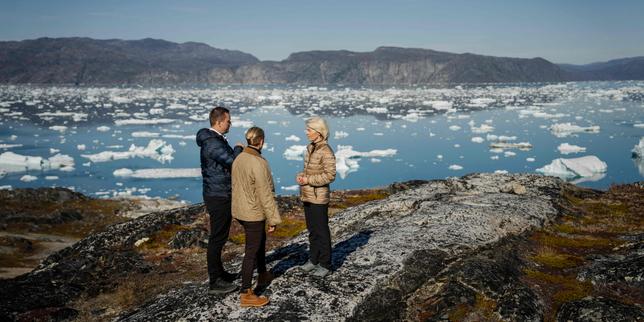
The frost in Nuuk does not merely coat the windows; it dictates the rhythm of survival. Standing on the harbor’s edge, where the black water mirrors a pale Arctic sun, you can smell the sharp tang of salt and ancient ice. Beneath these crystalline sheets lies an inheritance of stone, rare earth metals, and a quiet vulnerability that has suddenly caught the attention of global empires.
For generations, the world treated this massive northern island as a distant abstraction—a white smudge at the top of a map, protected by the Kingdom of Denmark and forgotten by everyone else. But ice has a way of vanishing, and with its retreat comes an exposure that feels less like an opportunity and more like a warning.
Imagine Henrik, a lifelong fisherman whose boat has weathered the shifting currents of the Davis Strait for forty years. He has watched the calving glaciers shrink back toward the horizon. He has seen the winters shorten, turning ancestral hunting trails into treacherous slush. Yet, the rapid warming of his homeland brought something far more unsettling than climate change: the shadow of distant maps being redrawn in Washington and Brussels.
When the White House renewed its assertive demands for American acquisition of the territory, arguing that the island’s vast isolation required a different flag, the political tremors reached all the way to the colorful wooden houses clinging to the cliffs of Greenland's capital. To outsiders, it was a geopolitical chess move. To the people who drink the water and bury their dead in this frozen soil, it felt like an existential eviction notice.
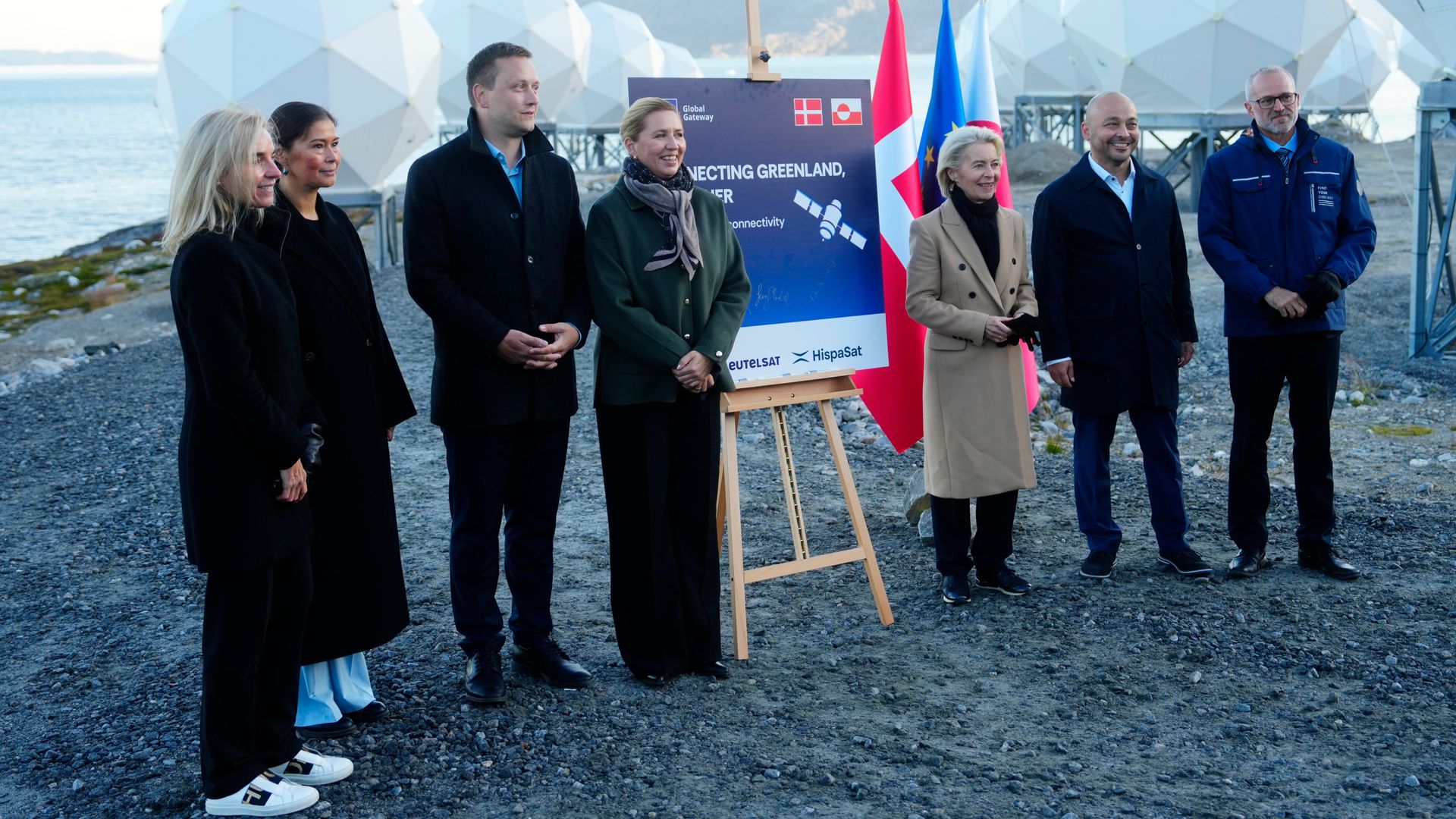
Enter the European Union, moving with sudden, uncharacteristic urgency. European Commission President Ursula von der Leyen stepped off a plane in Nuuk carrying a €200 million ($232 million) blueprint. It is a substantial injection of capital designed to rewrite the island's economic gravity. The funds are earmarked for satellite communications in isolated eastern settlements, clean hydropower, and the complex excavation of critical raw materials like molybdenum at the Malmbjerg mining project.
Money talks, but in the Arctic, it also defends.
This financial package is not mere charity. It is a strategic shield. Brussels is drawing a heavy line in the snow, reminding anyone who cares to listen that while Greenland left the European Economic Community in 1985, its people remain citizens of the broader European family through their ties to Denmark. As geopolitical tensions mount and major powers eye the melting northern sea routes, the European Union has realized that a vacuum at the top of the world is a luxury it can no longer afford.
Consider what happens next as these funds begin to transform local infrastructure. The sub-zero valleys hold deposits of minerals that modern technology desperately craves—elements essential for electric vehicles, renewable grids, and advanced defense systems. For decades, extracting these riches was economically impossible, locked away behind meters of unyielding permafrost. Now, as the thermometer creeps upward, the earth is opening its vaults.
Yet, the people of Greenland are clear-eyed about the trade-offs. Prime Minister Jens-Frederik Nielsen has emphasized the desire for genuine partnerships rather than new masters. They do not want to trade a distant capital in Copenhagen for an aggressive one in Washington or a transactional one in Brussels. They want to build a self-sustaining economy that honors their heritage while navigating the harsh realities of the twenty-first century.
The wind off the fjord bites through heavy wool coats, carrying the distant rumble of a breaking shelf of ice. Sovereignty in the modern age is no longer just about flags planted in the snow or treaties signed in distant conference rooms. It is about who provides the infrastructure, who buys the minerals, and who stands beside a community when the ice beneath their feet begins to give way.