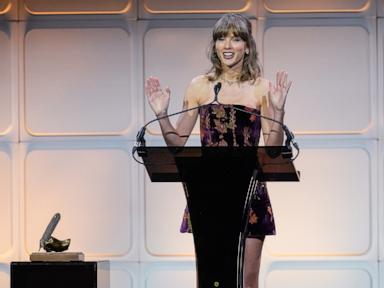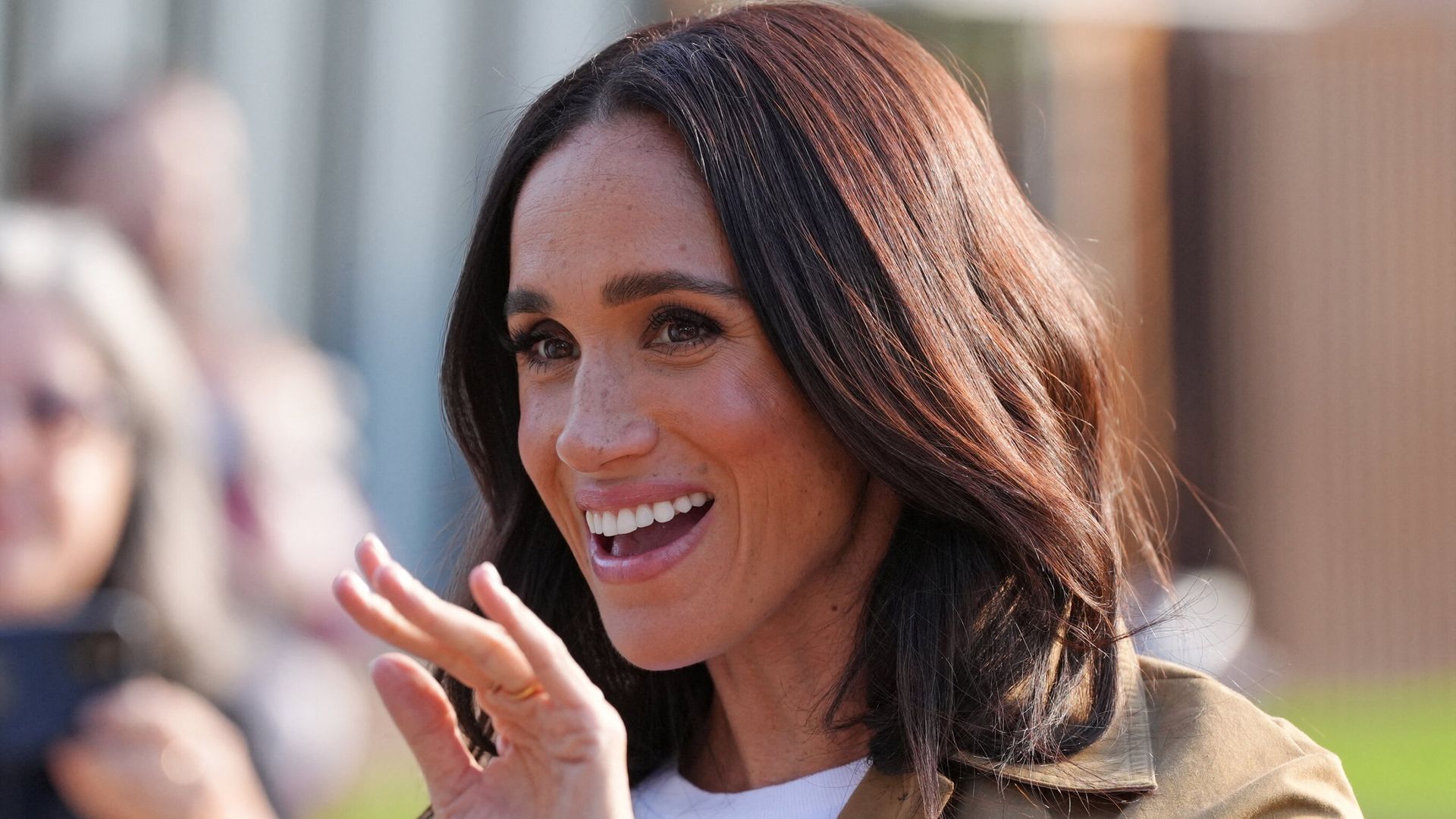
Network 10's announcement that Meghan, the Duchess of Sussex, will feature as a special guest and co-host alongside Poh Ling Yeow on Junior MasterChef Australia in 2027 sent the internet into its predictable tailspin.
Critics jumped on social media immediately. Online petitions popped up within hours demanding Channel 10 swap her out for local culinary talent like RecipeTin Eats' Nagi Maehashi. PR experts warned the gig might "drown out" her serious advocacy work. royal watchers debated whether her presence in a kitchen full of kids makes any sense at all.
I don't buy the outrage.
When you strip away the tabloid noise and examine the commercial reality of modern television production, bringing Meghan into the MasterChef universe isn't just understandable. It's a calculated masterstroke for a network fighting for attention in an era of fragmented streaming audiences.
Ratings Speak Louder Than Online Petitions
Network executives don't make casting decisions based on what angry commenters post on Reddit threads. They look at hard ratings data.
When Meghan appeared as a guest judge on MasterChef Australia earlier this year, the episode pulled in 1.6 million overnight viewers. That marked Channel 10's highest Sunday audience for the franchise in over three years. In linear television, those numbers are gold dust.
MasterChef Australia Viewership Breakdown (2026 Season):
- Standard Sunday Episode Average: ~750,000 - 900,000 viewers
- Meghan Markle Guest Appearance Episode: 1,600,000 overnight viewers (+100% boost)
- Previous 3-Year Franchise Record: ~1.4 million viewers (July 2023)
The stark difference between traditional audience metrics and online chatter explains why executives ignored the instant backlash:
- Social Media Noise: Outraged petitions, call-outs demanding local home cooks, and intense tabloid commentary.
- Broadcast Reality: Double the average viewership, massive international syndication interest, and unmatched ad rate leverage for Network 10.
People love to say they won't watch. The actual viewing figures prove otherwise. Love her or hate her, people tune in.
The Culinary Expert Fallacy
The most common argument against Meghan's casting is that she isn't a trained chef, a professional food critic, or an established restaurant owner.
That critique misses the point of Junior MasterChef entirely.
Junior MasterChef isn't Top Chef. It isn't a high-pressure line-cook audition where contestants need technical lectures on French reduction sauces or intricate butchery skills. It's a feel-good family show where ten-year-olds cook under high pressure on national television.
The co-host's primary job on a kids' edition isn't technical critique. It's empathy, encouragement, screen presence, and media training.
Meghan spent years curating The Tig, a lifestyle and food site she built from scratch long before meeting Prince Harry. She ran two seasons of With Love, Meghan on Netflix. She's a published cookbook contributor (remember the Together community kitchen project in 2018?). More importantly, she's a mother of two young children who spent over a decade working in front of professional camera crews.
Poh Ling Yeow provides the technical culinary foundation and beloved home-grown MasterChef legacy. Meghan brings warmth, international glamour, and television polish. It's a balanced pairing that checks every box the producers need for family viewing.
What Television Networks Understand About Modern Audiences
Streaming platforms and traditional networks are bleeding cash trying to capture international eyeballs. A regional franchise like Junior MasterChef Australia usually stays confined to Australian and New Zealand broadcast markets, with minor secondary sales in parts of Europe.
Add a global figure, and the economics shift overnight:
- Global Syndication Value: International networks outside Australia suddenly want broadcast rights to a show they would normally skip.
- Short-Form Content Engine: Ten-second clips of royal reactions in a kitchen generate millions of organic impressions on TikTok, Instagram Reels, and YouTube Shorts.
- Sponsorship Magnetism: Major corporate sponsors pay premium rates when global celebrity visibility is guaranteed on set.
Network 10 isn't trying to appease culinary purists; they're running a business in a brutal media environment.
How to Evaluate Celebrity TV Casting Without the Hype
If you want to cut through tabloid drama and assess whether high-profile casting like this actually works, look at three key metrics during broadcast:
- Check contestant interaction: Watch how comfortable the child contestants appear on screen during judging segments. The best hosts make the kids feel relaxed, not intimidated.
- Track international distribution: Monitor where the season gets sold globally compared to previous iterations of the Junior format.
- Measure long-term brand impact: Notice whether Channel 10 uses the momentum to secure larger commercial partnerships for future seasons.
Production for the 2027 season kicks off in Melbourne in early 2027. Until the episodes air, expect the outrage engine to keep spinning. But when the cameras roll and the ratings drop, Channel 10's gamble will likely pay off exactly as planned.