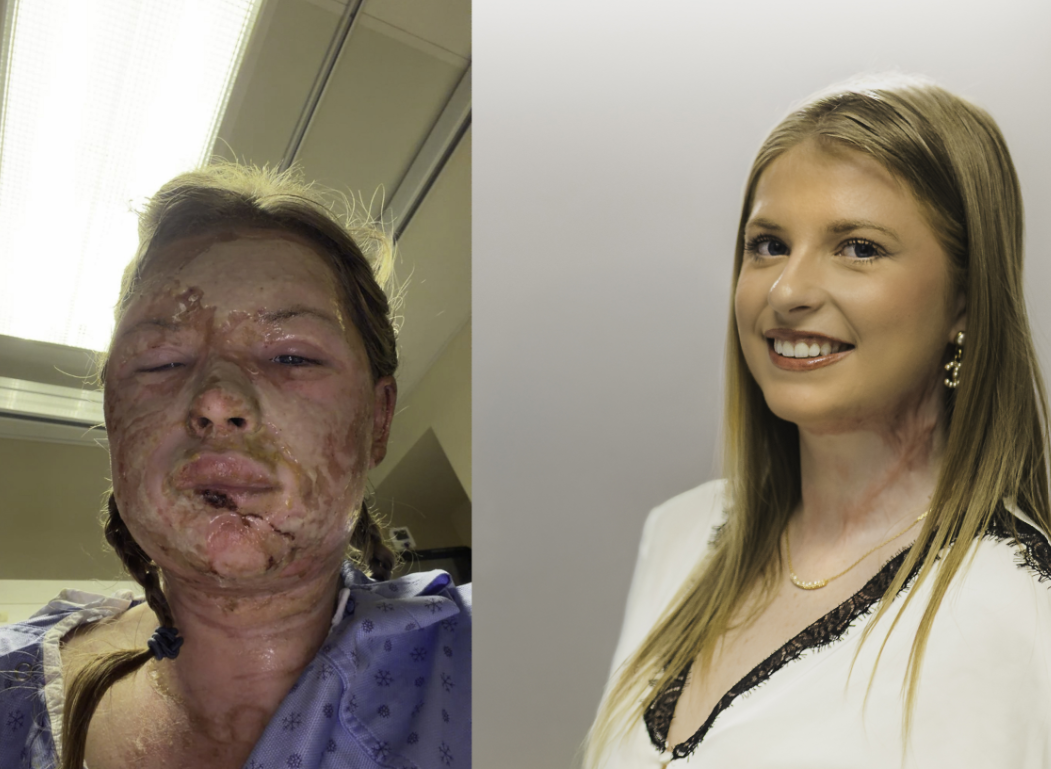
The headlines are dripping with uncritical awe. A Canadian patient receives a "world-first" bioengineered skin treatment for severe burns, walks out of the hospital ahead of schedule, and the medical press immediately declares a utopia. They call it a miracle. They use words like "revolutionary" without looking at the balance sheet or the brutal logistical realities of the triage floor.
It is a classic media cycle. A shiny new biotechnology emerges, a single patient has a genuine, heartwarming success story, and everyone forgets how healthcare actually works.
Here is the cold truth nobody wants to print: celebrating a single, hyper-expensive, bespoke bioengineered tissue success as a "cure" for systemic burn care issues is like celebrating a billionaire’s private space flight as the solution to public transit. It misses the point. It ignores the scale. And if we let this narrative dictate where research capital flows, it will actually cost lives.
The Hype Machine Versus the Triage Reality
The current excitement centers on advanced tissue engineering—specifically, using a patient's own cells to grow skin substitutes in a highly controlled lab, eliminating the risk of rejection while accelerating closure of the wound bed. On paper, it sounds flawless. In a single-patient case study, it looks brilliant.
But single-patient case studies are a dangerous metric for public health policy.
I have spent years watching institutional capital chase these high-tech white elephants. The enthusiasm ignores the fundamental mechanics of severe burn pathology. When a patient presents with third-degree burns covering 50% or more of their total body surface area, the clock is not just ticking; it is melting.
The primary enemy in acute burn management is not the aesthetic quality of the final scar. It is immediate, catastrophic fluid loss and systemic sepsis.
- The Golden Hour: A severely burned patient needs immediate coverage to restore the skin's barrier function.
- The Lab Bottleneck: Culturing autologous cells (the patient's own cells) takes weeks.
- The Deadly Gap: While the lab techs are meticulously growing the "world-first" tissue blueprint, the patient is sitting in an ICU, wide open to Pseudomonas aeruginosa and septic shock.
To bridge that multi-week gap, surgeons still have to rely on traditional methods: temporary allografts (cadaver skin), xenografts, or standard autologous split-thickness skin grafts. If the traditional methods are doing the heavy lifting of keeping the patient alive during the critical acute phase, we need to stop pretending the boutique lab-grown layer at the end is the sole hero of the story.
The Scale Problem: Why Custom Biologics Don't Scale
Let’s dismantle the economic illusion. The media loves a breakthrough because it implies a future where everyone gets this treatment. It assumes scaling a biologic is the same as scaling a software application. It isn't.
Standardizing a chemical pharmaceutical is simple. Mass-producing a generic synthetic dressing is cheap. But cellular therapies require a highly specialized, tightly regulated supply chain that breaks down the moment you try to scale it past elite academic research hospitals.
Imagine a scenario where a major metropolitan area suffers an industrial accident, resulting in thirty severe burn casualties simultaneously.
A system relying on bespoke bioengineered skin collapses instantly. There are not enough cleanrooms, not enough specialized technicians, and certainly not enough hours in the day to harvest, culture, and process thirty distinct, individualized cellular therapies at once.
The Real Cost of "Innovation"
| Treatment Type | Accessibility | Time to Deployment | Primary Limitation |
|---|---|---|---|
| Boutique Bioengineered Skin | Extremely Low (Elite Centers Only) | Weeks | Production time and astronomical cost per square centimeter. |
| Traditional Split-Thickness Grafting | High (Standard Operating Rooms) | Immediate to Hours | Limited donor sites on the patient's own body. |
| Advanced Synthetic/Biosynthetic Matrices | Medium-High (Off-the-shelf) | Immediate | Temporary barrier only; requires secondary definitive closure. |
When you look at the matrix, the answer becomes obvious. The bottleneck in burn care isn't a lack of sci-fi solutions; it's our failure to optimize off-the-shelf, mass-producible materials that can be deployed by any general surgeon in any regional hospital worldwide.
Dismantling the "People Also Ask" Delusions
When these stories break, the public asks the wrong questions because they've been fed a romanticized version of medicine. Let's correct the record with some brutal honesty.
"Will lab-grown skin replace standard skin grafts completely?"
No. It won't. Not in your lifetime, and likely not in the next. Split-thickness skin grafting—taking a thin layer of healthy skin from an uninjured site on the patient and moving it to the wound—remains the gold standard for a reason. It is immediate. It uses the patient's intact, fully differentiated tissue architecture, including vital microvasculature.
Lab-grown skin substitutes often lack complex structures like sweat glands, hair follicles, and a mature capillary network. They are fragile layers that require meticulous, ideal conditions to take. If the wound bed has even a hint of residual infection or poor vascularization, that expensive bioengineered graft turns to soup within forty-eight hours.
"Why is this treatment only available in a few hospitals?"
Because the regulatory and operational overhead is a nightmare. To process these advanced therapies, a facility needs a Current Good Manufacturing Practice (cGMP) compliant facility. The maintenance costs alone for these labs can gut a hospital's regional trauma budget.
If a therapy requires a multi-million dollar infrastructure to serve twenty patients a year, it isn't a healthcare solution. It’s an institutional vanity project.
Where the Smart Money and Real Research Should Go
Am I saying we should abandon tissue engineering? Of course not. But we need to shift our focus away from the media-friendly, bespoke autologous constructs and toward the unglamorous, highly functional alternatives that actually save lives on a macro scale.
We should be pouring funding into acellular, off-the-shelf biosynthetic matrices.
The goal should not be to grow a perfect replica of human skin in a petri dish over three weeks. The goal should be to create an inexpensive, stable, synthetic scaffolding that can be stored in a closet in every rural emergency room, slapped onto a wound within minutes, and engineered to trick the host’s own body into accelerating angiogenesis (blood vessel formation) and suppressing the hyper-inflammatory response.
Companies like Integra LifeSciences pioneered dermal regeneration templates decades ago using collagen and glycosaminoglycans. That is the lineage of innovation we need to iterate on—making these frameworks smarter, cheaper, and more resistant to infection, rather than chasing the regulatory nightmare of live-cell cultivation for every individual patient.
The downside to my argument? Yes, synthetics and acellular matrices mean more scarring. It means the cosmetic outcome might not look as pristine as a perfectly curated lab construct. It means patients might need subsequent reconstructive surgeries down the line to address contractures.
But they will be alive to have those surgeries.
The Dangerous Allure of the Single Success
We love a protagonist. We love the story of the one patient who defied the odds thanks to a brilliant team and a cutting-edge lab. It makes for fantastic television and secures massive research grants from sentimental donors.
But look at the macro data. Global burn mortality remains stubbornly high in low- and middle-income regions, not because they lack access to bioengineered cell sheets, but because they lack access to clean water, basic topical antimicrobials, and rapid surgical debridement. Even in developed nations, regional burn centers are facing staffing crises and budget cuts.
When we hyper-fixate on the "world-first" boutique successes, we give politicians and hospital administrators an easy out. They can point to a single flagship facility and claim they are leading the world in medical innovation, while the community clinics twenty miles away don't have enough silver sulfadiazine cream or trained physical therapists to keep a burn survivor's joints from freezing up.
Stop buying into the miracle narrative. Every dollar spent chasing an unscalable, boutique biological luxury is a dollar stolen from the unglamorous, systemic improvements that actually keep populations alive. Burn care doesn't need more media-darling miracles. It needs industrial-grade, deployable utility.