Strategic Inaction as an Asymmetric Advantage
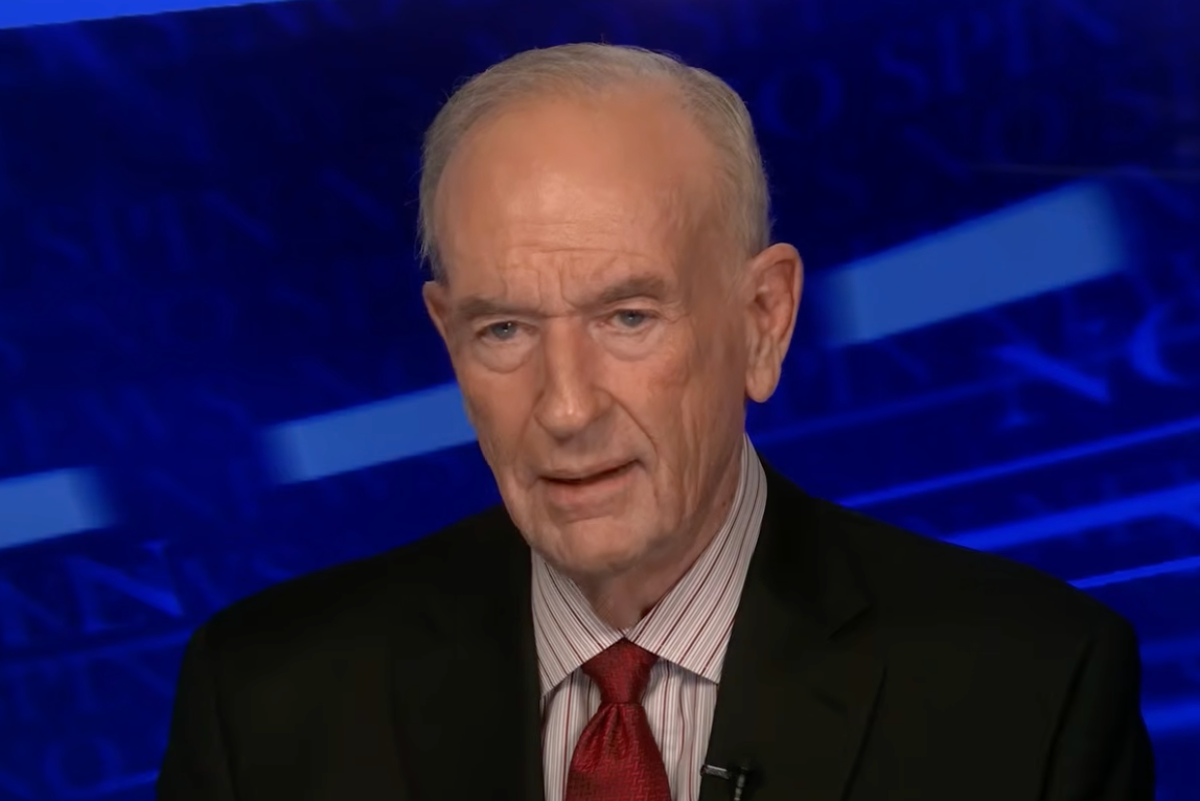
In high-stakes political campaigns, media saturation is frequently mistaken for strategic dominance. Media commentator Bill O’Reilly’s public recommendation that Donald Trump temporarily withdraw from public appearances and shift to private recreation highlights an unexamined dynamic in modern political operations: the value of deliberate campaign subtraction.
When a candidate possesses high baseline name recognition and an established brand, incremental media appearances yield diminishing or negative returns. Unscripted, continuous public exposure increases campaign volatility. Strategically reducing high-risk exposure preserves capital, concentrates message focus, and forces opponents to contend with an asymmetric information vacuum.
The Strategic Exposure Matrix
Political media exposure operates along two distinct vectors: message control and audience reach. Mapping candidate activity across these dimensions reveals four operational states.
                  High Message Control
                           │
       Calculated          │          High-Impact
       Subtraction         │          Keynotes
                           │
Low Reach ─────────────────┼───────────────── High Reach
                           │
       Private             │          Unscripted
       Recreation          │          Public Exposure
                           │
                  Low Message Control
- Calculated Subtraction (Low Reach, High Control): Private engagement, controlled releases, and deliberate absence. Minimizes unforced errors while controlling narrative timing.
- High-Impact Keynotes (High Reach, High Control): Teleprompter-driven, high-production events designed for maximum reach with minimal messaging deviation.
- Unscripted Public Exposure (High Reach, Low Control): Off-the-cuff remarks, rallies, and long-form press conferences. High variance, where risk of message dilution scales directly with airtime.
- Private Recreation (Low Reach, Low Control): Complete disengagement from public commentary. Zero operational risk to core campaign narrative.
Campaigns suffering from message drift usually operate too heavily in unscripted public exposure. Shifting a candidate down into private recreation or calculated subtraction halts negative news cycles by cutting off raw material for opposing campaigns.
The Cost Function of Continuous Media Exposure
Every additional hour of unscripted media time introduces structural liabilities into a campaign architecture. The total operational risk of continuous exposure can be categorized into three distinct operational drag factors:
1. Narrative Dilution Rate
When a candidate speaks continuously, earned media outlets focus on secondary or tertiary remarks rather than the core policy proposal. The primary message is obscured by unscripted tangents, lowering the net effectiveness of paid advertising campaigns designed to reinforce core themes.
2. Opponent Opposition Research Efficiency
An opponent’s opposition research team relies on fresh media output to build rapid-response counter-campaigns. High media volume provides opposition analysts with continuous content to edit, frame, and deploy across micro-targeted voter segments.
3. Fatigue Mechanics in Undecided Voters
Low-information, undecided voters exhibit messaging fatigue when exposed to uninterrupted political confrontation. High exposure solidifies partisan boundaries but drives away independent or moderate voters who favor low-conflict environments.
The Mechanics of Vacuum-Driven Opponent Strain
When a leading or high-profile candidate removes themselves from the daily news cycle, the opposition experiences a strategic disruption. Modern campaign infrastructures rely on reactive media cycles; they are built to attack, correct, or respond to an opponent's daily output.
Removing daily statements creates an information vacuum. The media cycle must still be filled, forcing the opposing campaign into three structural problems:
- Primary Narrative Burden: The opponent must generate original, positive press coverage rather than riding the wave of continuous counter-programming.
- Scrutiny Redistribution: News organizations redirect investigative capacity onto the visible candidate when the non-visible candidate stops generating fresh headlines.
- Resource Misallocation: Paid opposition rapid-response units burn operational hours attempting to analyze non-existent inputs.
Tactical Implementation of Campaign Pause Protocols
Executing a deliberate messaging pause requires structural operational changes across media buy strategies, surrogates, and earned media management.
Phase 1: Total Direct Media Interdiction
The candidate cancels non-essential interviews, unscripted rallies, and casual media gags. All direct communications shift from live verbal outputs to pre-recorded, tightly edited video assets or targeted written statements released through official channels.
Phase 2: Surrogate Amplification Deployment
While the principal candidate remains out of the public eye, authorized surrogates assume 100% of the broadcast exposure. Surrogates absorb host press scrutiny, test experimental messaging angles, and maintain presence without risking the candidate’s personal equity.
Phase 3: Targeted Narrative Re-Entry
The candidate resumes public appearances only when a major structural event occurs—such as a key policy deadline or a debates stage. This creates a high-visibility return event that guarantees maximal audience reach under tightly managed parameters.
Deploying a total messaging subtraction protocol requires absolute discipline from campaign leadership and the principal candidate. Failure to maintain interdiction allows fragmented messaging to seep out, negating the strategic advantage of the vacuum. Campaigns that master this pause mechanics effectively dictate the cadence of the election cycle, forcing opponents to swing at shadows while preserving candidate energy for the final sprint.