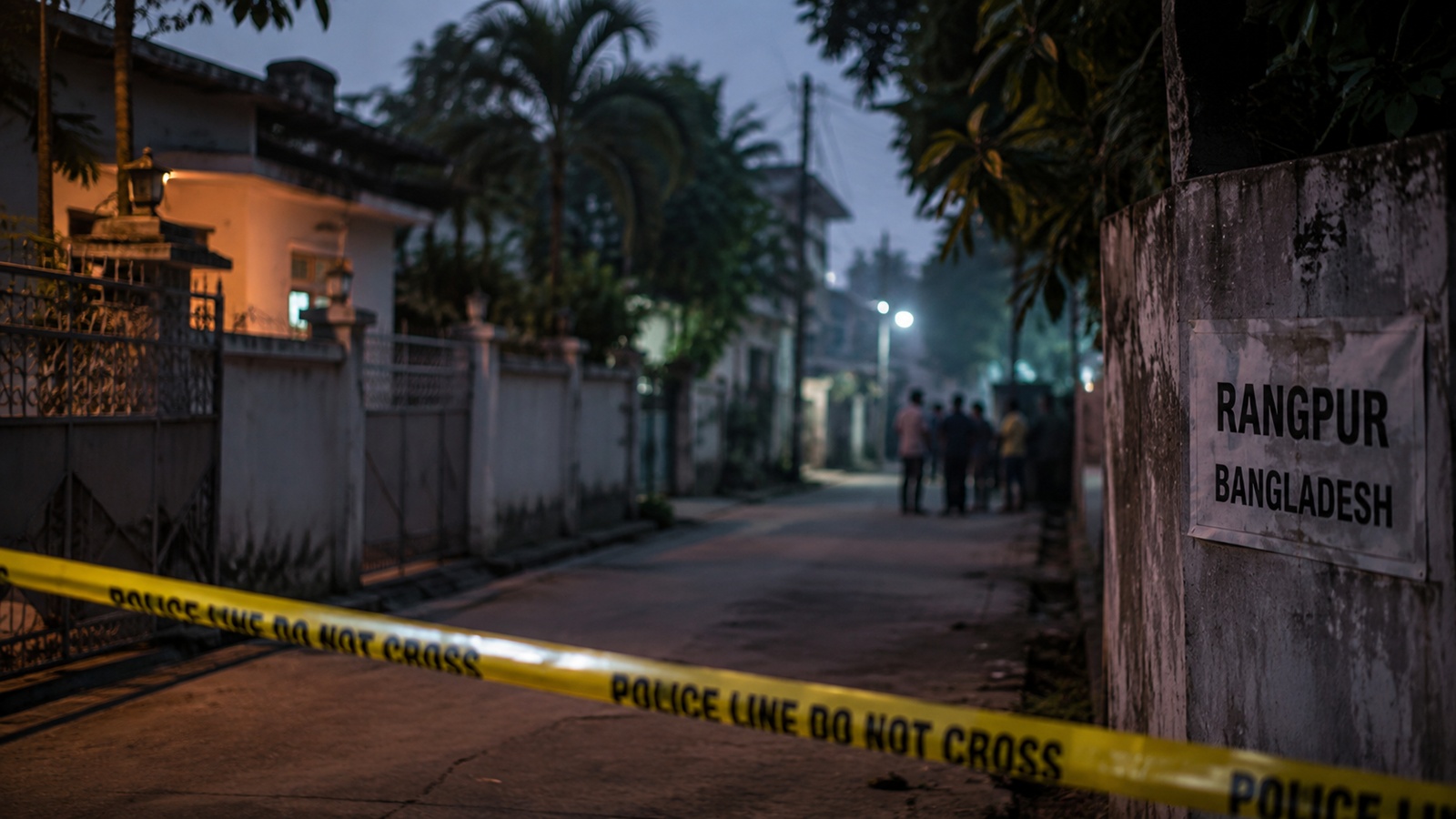
The standard playbook for reporting a tragic death in a quiet Limerick flat follows a predictable, lazy formula. First comes the breaking alert. Then the perimeter tape. Shortly after, the breathless speculation about community safety, policing resource allocation, and institutional failures. Everyone nods along. Everyone writes the same empty editorials about shock and grief.
Stop.
The lazy consensus treats every high-profile homicide investigation as a symptom of a systemic breakdown in local law enforcement or municipal security. That narrative is comforting because it fits into a neat bureaucratic box. It also happens to be entirely wrong. When a murder probe launches following the discovery of a deceased individual in a private residence, the public immediately projects its anxieties onto the streets outside, completely ignoring the insulated, micro-dynamics of private violence.
The Fallacy of the Neighborhood Panic
Look at how the coverage frames these tragedies. Reporters swarm the estate. Local representatives issue statements calling for increased Garda presence, CCTV installation, or community safety grants. This is pure theater.
Statistically, stranger violence on Irish streets remains a statistical anomaly. The vast majority of fatal assaults do not stem from a sudden breakdown of public order or a lack of street-level policing. They occur behind closed doors, driven by interpersonal dynamics, isolation, and domestic friction that no amount of urban street lighting or neighborhood watch committees can prevent.
When commentators claim that a single tragic incident in a flat reflects a declining standard of local security, they are committing a fundamental category error. They are conflating public safety with private containment.
Dissecting the Investigation Optics
In the opening forty-eight hours of any murder inquiry, Gardaí are not solving the crime; they are securing the perimeter of their own legal obligations. Every statement released to the media is calibrated for containment, not transparency.
The public demands immediate answers, treating a criminal investigation like a real-time true crime broadcast. That is not how forensic police work operates. Establishing a timeline in a closed-apartment scenario requires exhaustive digital forensics, toxicology reports, and pathology findings that take weeks, sometimes months, to compile.
Media outlets feed the frenzy by manufacturing urgency where patience is legally and scientifically required. This creates a toxic feedback loop. The community panics based on incomplete briefings, politicians react to the panic, and the actual investigative team gets buried under a mountain of political noise.
The Dangerous Myth of Community Vulnerability
Another staple of standard crime reporting is the hand-wringing over vulnerable populations falling through the cracks of social services. While institutional gaps certainly exist, stretching this argument to every tragic domestic homicide strips individuals of their autonomy and misdiagnoses the root cause of the violence.
Not every tragedy is a failure of the welfare state. Sometimes, human relationships fracture in ways that state agencies, social workers, and community groups have zero reach into. Pretending that a state-funded intervention program could intercept every private conflict is a delusion designed to make bureaucrats feel useful.
If we want honest reporting on violent crime in Ireland, we have to stop treating every single incident as an indictment of municipal management. We must look at the insular, hidden mechanics of isolation, substance abuse, and personal volatility that operate independently of local police patrols or council funding.
The next time an estate is cordoned off and the microphones are thrust into the faces of passing residents demanding answers, remember what is actually happening. It is not a test of your local community's safety. It is a grim, private tragedy being weaponized for public consumption.
Stop looking for systemic villains where individual human destruction is the only reality.