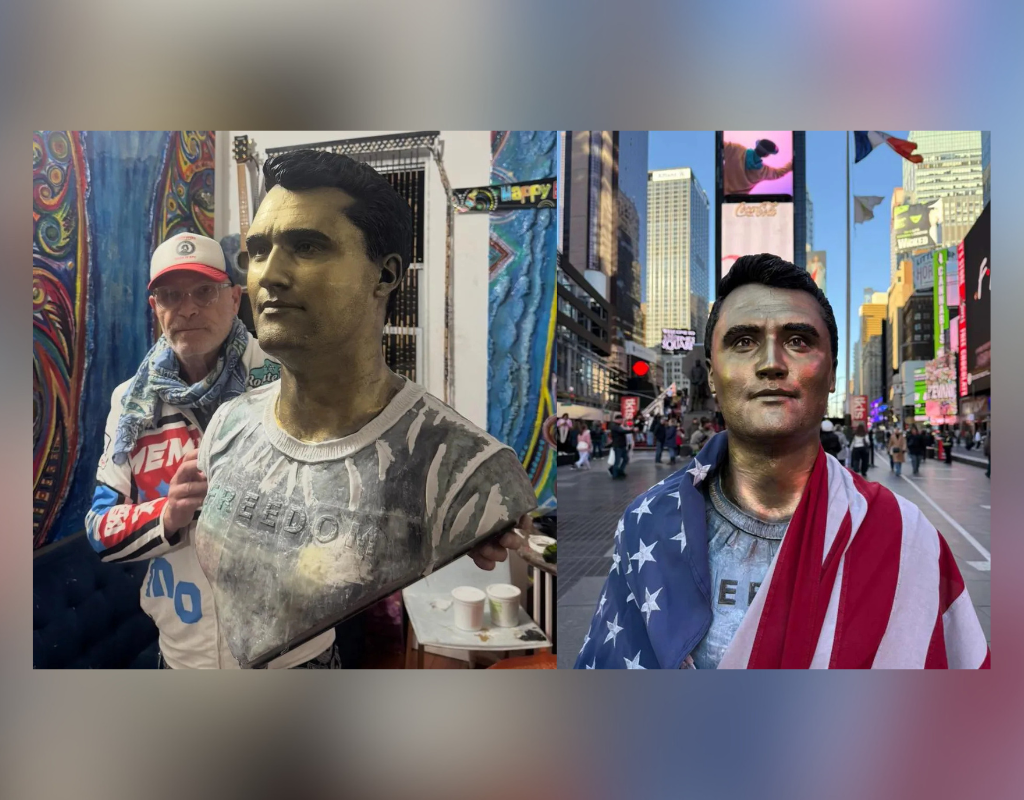
Contemporary political art faces a structural liquidity crisis driven by an inherent mismatch between ideological exposure and private capital allocation. When a New York sculptor produces a high-fidelity physical representation of a divisive political figure like Charlie Kirk, the resulting asset sits at the intersection of high production friction and severe buyer friction. The public failure to clear this asset from the market is not an anomaly of contemporary art valuation; it is a predictable outcome of audience asymmetry, narrative risk, and illiquidity discounts.
The Tripartite Friction Model of Ideological Art Sales
Fine art valuation relies heavily on institutional provenance, secondary market liquidity, and private display utility. Political portraiture depicting active, polarizing figures introduces three distinct failure points that dismantle traditional art economics. Meanwhile, you can explore similar stories here: Why Ultra Wealthy Families Pay Millions More in Tax Just to Stay in Control.
Audience Asymmetry and Market Mismatch
The primary consumer base capable of purchasing high-ticket fine art sculptures resides largely within urban financial centers and institutional gallery networks. Historically, these networks demonstrate cultural alignment with progressive or centrist political movements. Conversely, the demand base for media figures associated with conservative political organizations is concentrated outside traditional fine art acquisition channels.
This creates a structural disconnect: To see the full picture, check out the excellent article by The Economist.
- The geographic and social hubs with high-density fine art capital lack ideological demand for the subject matter.
- The demographic groups with high ideological alignment lack established channels or behavioral patterns for acquiring high-value contemporary sculpture.
The Institutional Narrative Risk Discount
Private collectors and corporate institutions acquire physical assets to signal prestige, economic surplus, or cultural sophistication. Acquiring a physical representation of an active, controversial political figure exposes the buyer to reputational risk. In corporate finance, assets that carry public relation liabilities receive an immediate governance discount. In the secondary art market, this mechanism functions similarly: the holding cost includes potential reputational erosion, public backlash, or physical vandalism.
Because the asset cannot be displayed in public lobbies, corporate headquarters, or high-visibility private collections without incurring social friction, its functional utility as a display piece drops toward zero. The pool of potential buyers contracts to secretive private collectors, who demand severe price discounts to offset the lack of public display signal.
Fabrication Cost versus Liquid Valuation
Sculptural production requires significant upfront capital expenditure, including foundry casting fees, raw metal allocation, transport, and labor hours. Unlike digital media or conceptual performance art, physical sculpture imposes a hard cost floor on the creator.
When fixed capital costs are high, but liquid market clearing prices are low, the artist faces a capital lockup problem. The asset retains substantial physical value and labor equity, yet yields zero realized liquidity in the secondary market.
Structural Mechanisms Driving Political Sculpture Illiquidity
+-------------------------------------------------------------------+
|                  POLITICAL ART VALUE DESTRICTION                  |
+-------------------------------------------------------------------+
                                  |
            +---------------------+---------------------+
            |                                           |
            v                                           v
  High Narrative Risk                      Capital Network Mismatch
  (Exposes buyer to public friction)      (Collector base vs alignment)
            |                                           |
            +---------------------+---------------------+
                                  |
                                  v
                    Illiquid Non-Displayable Asset
The economic collapse of polarizing contemporary works stems from fundamental asset pricing dynamics rather than personal aesthetic critiques.
Non-fungibility and Narrative Lock: Unlike abstract or non-figurative contemporary art, which allows buyers to project personal meanings, explicit figurative sculpture locks the asset into a singular narrative. When that narrative is tied to active political discourse, the asset's value fluctuates strictly with the news cycle and popular sentiment surrounding the subject.
The Secondary Market Penalty: Gallery owners and auction houses rely on predictable secondary sales to establish an artist's price ceiling. Institutional market makers refuse to list assets that lack broad liquidity, fearing that a failed public auction will permanently depress the artist's broader pricing power.
Maintenance and Spatial Capital: Large-scale figurative sculptures impose high storage and maintenance overheads. When an asset fails to sell at primary offering, the artist incurs ongoing negative cash flow through storage, transport, and insurance fees.
Operational Strategy for Monetizing High-Friction Cultural Assets
Creators attempting to monetize politically charged physical assets must abandon traditional gallery sales models in favor of alternative capital extraction mechanisms.
Transitioning to Media Monetization
Physical ownership is no longer the sole mechanism for value extraction. High-friction political art yields far greater economic return through digital media engagement, licensing, and controversy-driven traffic than through physical asset transfer. By shifting focus from fine art collectors to media consumers, the creator monetizes the narrative around the piece rather than the physical object itself.
Targeted Alternative Capital Syndication
Rather than relying on traditional fine art auction houses, artists targeting politically specific demographics must execute direct-to-consumer strategies or secure commission structures directly from political action committees, media networks, or specialized political donors prior to fabrication. Securing pre-production capital commitments completely eliminates the risk of unsold inventory and unrecovered foundry expenses.
Artists producing figurative political sculpture must secure non-refundable commission capital prior to physical casting, or restructure the asset's primary monetization path around digital media rights, derivative content licensing, and public exhibition ticketing rather than private secondary market sales.