The coffee in the basement of the rail station had grown cold hours ago, forming a film that caught the flicker of a fluorescent tube overhead. Outside, the fog did not roll so much as settle, a heavy, damp shroud that muffled the sound of sirens three streets over. Mikhail stared at his thumbs. They were calloused, not from work, but from the nervous habit of grinding his fingernails down until the skin wept.
He was not a soldier. Six months ago, Mikhail taught seventeenth-century literature to twenty bored undergraduates in a room with a broken radiator. Now, he was a man who listened for the distinct drone of a drone engine before deciding whether to boil water for tea.
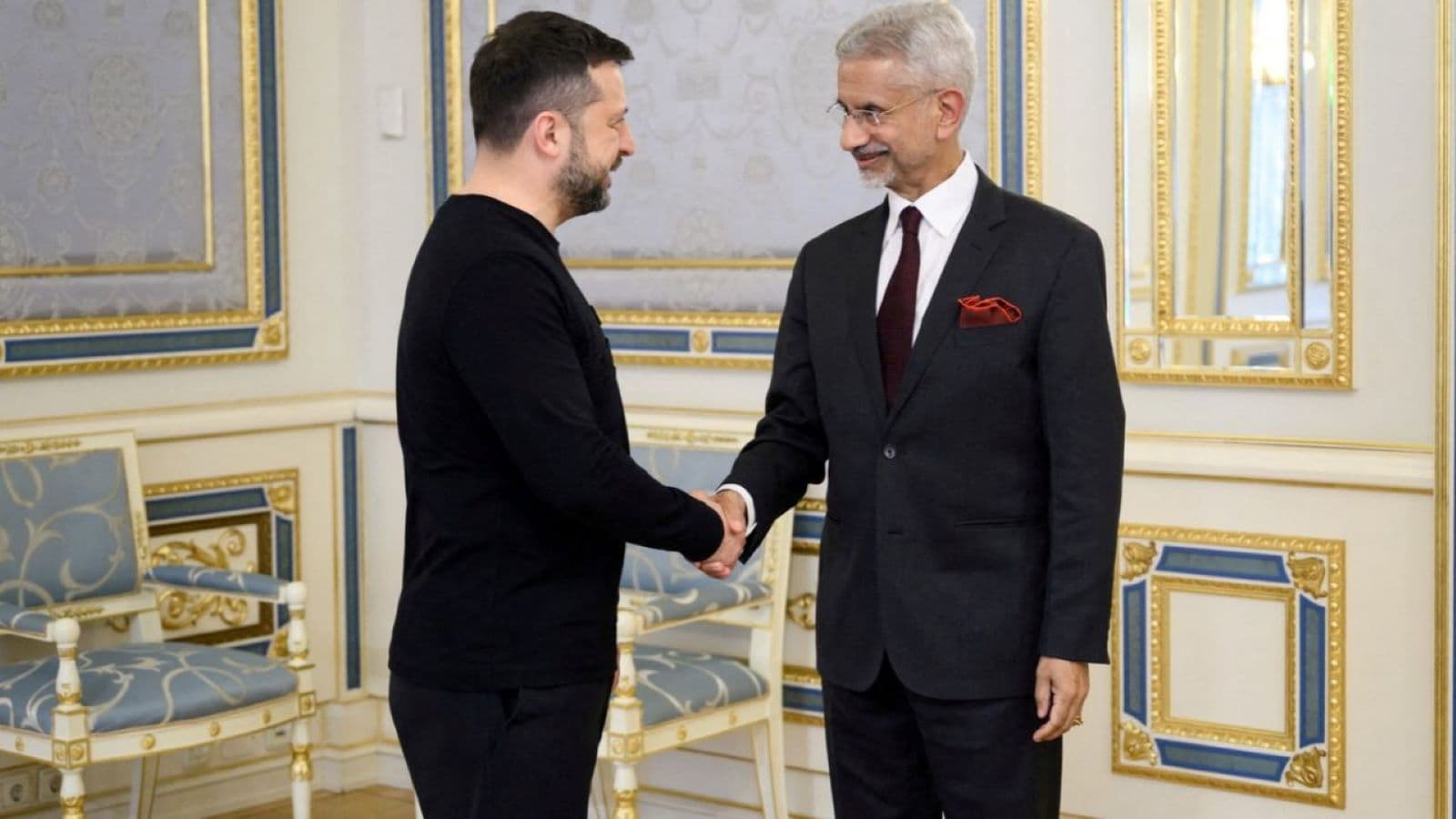
Across the continent, thousands of miles from the smell of diesel and scorched brick, diplomats in pressed charcoal suits adjusted their ties under the glare of chandelier light. They spoke of geometry. They spoke of buffers, zones, lines drawn in ink on heavy parchment that had nothing to do with the mud on Mikhail’s boots.
History does not move in straight lines. It lurches. It stalls in the trenches, waiting for someone to offer a way out that does not feel like defeat.
For years, the war between Russia and Ukraine has been measured in territory lost and found, in meters of churned earth bought with iron and bone. But the true ledger of the conflict is written in silence—in the empty chairs at kitchen tables in Kharkiv, in the delayed trains crossing Siberia, in the quiet desperation of nations watching their treasuries drain into the sand.
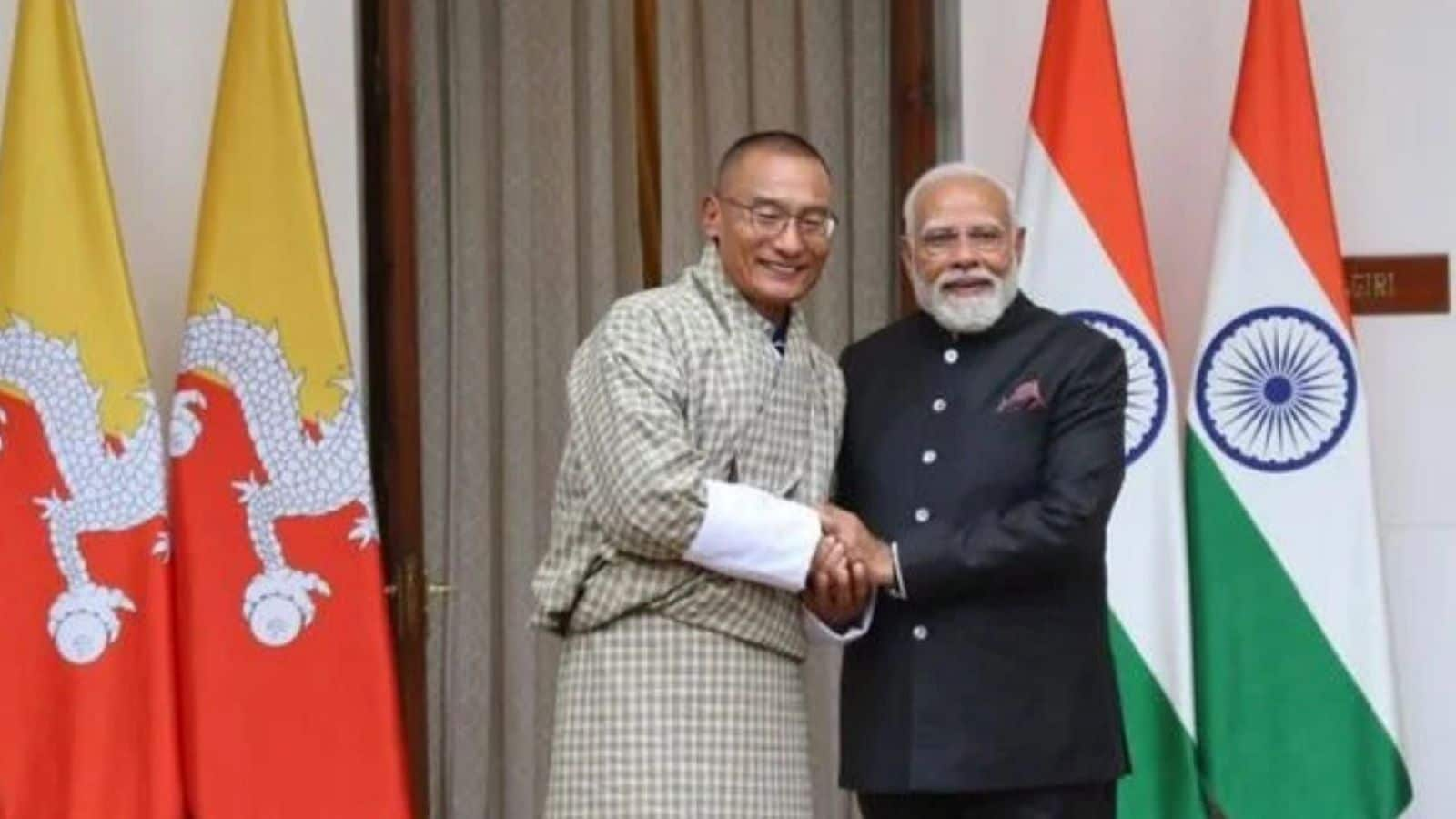
Then came New Delhi.
Not with the thunder of artillery, but with the quiet rustle of diplomatic paper. Reports surfaced of a proposed three-part truce framework designed to crack open the stalemate. It was an ambitious, unorthodox blueprint. It did not try to solve the unsolveable all at once. Instead, it proposed a sequence—a staircase built out of necessity.
To understand why this matters, you have to stop looking at the battlefield through binoculars and start looking at it through the eyes of people who are simply tired of dying.
Step one is simple, brutal in its clarity: freezing the conflict where it stands.
Armies do not like to stop. Stopping means vulnerability. It means admitting that the line you hold today is the line you might have to live with tomorrow. But exhaustion is a powerful solvent. When fuel reserves dwindle and the casualty lists stretch across multiple columns of newsprint, the concept of a ceasefire ceases to be a political concession and becomes oxygen.
Imagine a runner, lungs burning, legs trembling, five miles into a marathon through a freezing downpour. They do not care about winning the gold anymore. They care about a bench.
The Indian proposal, according to leaked diplomatic briefs, focuses first on silencing the guns along the existing contact line. No grand territorial surrenders. No immediate, impossible renegotiations of sovereignty that have stalled every peace summit since the first cannon fired. Just quiet. A cessation of hostilities that allows the wind to clear the smoke and lets the medics reach the wounded who have waited too long in the grey zone.
Why India? Why now?
Because the architecture of global power has shifted. For decades, peace was brokered exclusively by Washington, London, or Brussels. But the world has multipolar teeth now. New Delhi occupies a peculiar, strategic gravity well. It maintains decades-old defense and economic ties with Moscow, yet shares deep democratic alignments and economic futures with the West. It is one of the few capitals on Earth that can pick up the red telephone in the Kremlin and be taken seriously, while simultaneously sitting down for tea in European capitals without raising alarm bells.
Neutrality in the twenty-first century is not about looking away. It is about positioning yourself in the center of the storm so you can catch the debris before it shatters everything.
Step two of the proposed framework tackles the human hemorrhage—the prisoners of war and the civilian captives whose names are recited nightly by families who do not know if their sons or daughters are breathing.
In war, human beings become statistics very quickly. A name on a list becomes a bargaining chip. Give us a generator, and we will return twenty men.
The framework pushes for a broad, unconditional exchange. Not as a reward for good behavior, but as a confidence-building baseline. It is a recognition that before you can talk about land, you must talk about flesh and blood. When Mikhail thinks about peace, he does not think about the borders of the Donbas. He thinks about his brother, taken in the early weeks of the mobilization, whose last known location was a transit camp near the border. A name on a list. Nothing more.
Step three is where the real labyrinth begins: the architecture of a durable political dialogue.
Here is where most peace plans die. They try to build the roof before the foundation has even set. They demand that two nations who view each other's existence as an existential threat suddenly agree on the future of Crimea or the legal status of the eastern provinces.
The proposed truce suggests something different: ambiguity as a bridge.
It whispers of prolonged diplomatic cooling periods. It suggests that economic sanctions and global trade reintegration might be tied not to an immediate, miraculous reconciliation—which everyone knows is impossible—but to compliance with the quiet. It turns peace into a habit. If you stop shooting for six months, trade routes open a fraction. If you stop shelling cities for a year, reconstruction funds begin to trickle through international channels.
It is transactional. It is cold. But idealism has proven fatal in this conflict. Realism is the only tool left in the shed.
Critics, of course, call it a frozen conflict. They point to Korea, to Cyprus, to the endless decades of uneasy truces that leave nations suspended between war and peace like ghosts haunting a hallway. They argue that freezing the lines only allows the aggressor to re-arm, to catch their breath, to patch their armor before the next charge.
It is a valid fear. Mikhail knows it better than anyone. He has read enough history to know that truces are often just wars taking a nap.
Yet, consider the alternative.
The alternative is the meat grinder. The alternative is another winter without power, another generation of children growing up to the percussion of artillery shells, another trillion dollars of infrastructure reduced to concrete dust. When the choice is between an imperfect, frustrating peace that saves lives today and a purist war that promises total victory tomorrow at the cost of total ruin, exhaustion eventually votes for the peace.
Back in the basement, the kettle finally starts to whistle.
Mikhail stands up, stretches his cramped back, and pours the hot water over a cheap tea bag. He looks at the small radio on the shelf. The announcer’s voice is steady, reading the latest dispatches from the capital, analyzing the contours of the diplomatic initiative, parsing every word issued by foreign ministries thousands of miles away.
Mikhail does not care about geopolitics. He does not care about multipolar balances or trade corridors. He cares about whether he will have to listen to the drones tonight. He cares about whether the line on the map will move one inch closer to his door, or if, just for a moment, the world will decide to stop holding its breath and let everyone exhale.
The diplomats will keep talking. The drafts will be rewritten, amended, leaked, and denied. The road ahead is long, steep, and littered with mistrust. But for the first time in a very long winter, someone has taken a pencil and started to draw a way out of the dark.