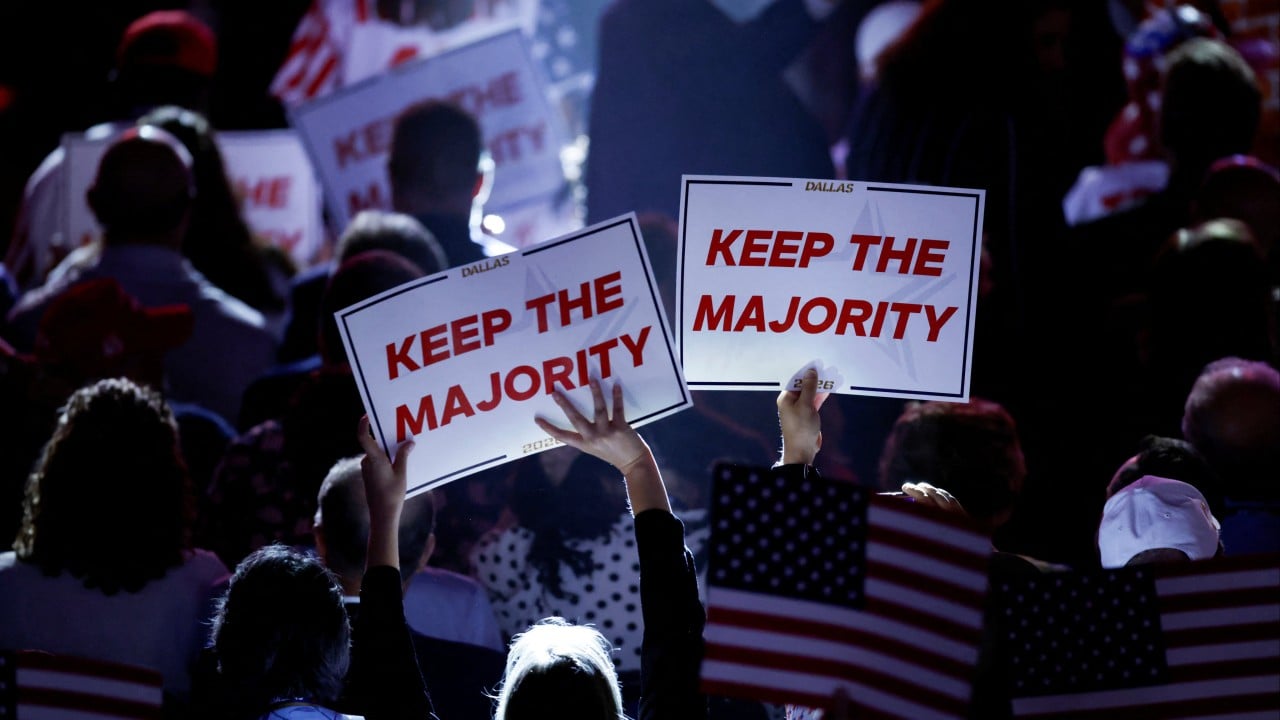
Ink does not bleed on a clean map.
A clean map stays blue in the places where blue has always lived, and red where the flag has long been planted. It is comfortable. It is orderly. It allows politicians to sleep past dawn and consultants to bill their retainers without breaking a sweat. For months, the cartography of the United States House of Representatives looked like an old oil painting—cracked in places, perhaps, but the broad strokes were fixed. Districts were written off. Races were categorized with clinical coldness as safe, secure, out of reach.
Then came the frantic rustle of checkbooks opening in the dark.
Money is a liquid thing. It does not care about past loyalties or historical inertia. It flows toward panic. And right now, millions of dollars are pouring into suburban cul-de-sacs, rural crossroads, and industrial river towns that everyone—from the party bosses in Washington to the local diner gossips—assumed were locked down for the duration.
Consider what happens when a safe seat suddenly stops feeling safe.
Imagine Maya, a precinct captain who has spent twenty years handing out coffee and sample ballots in a district that hasn’t elected a challenger since the Reagan administration. She knows the voters by their first names. She knows whose dog died, whose roof leaks, and which precinct committee members still hold grudges from the 2012 primary. To Maya, politics isn’t a poll number on a glowing Bloomberg terminal; it is a long, slow conversation across a chain-link fence.
Two weeks ago, Maya’s phone started ringing. Not from local volunteers asking about yard signs, but from national committees three time zones away. They weren’t asking. They were demanding data. They were wiring six-figure sums into local accounts with the grim urgency of triage nurses applying tourniquets.
Why? Because the quiet baseline has shifted.
The baseline shifted because modern voters are no longer anchored by tribal geography. They are driven by economic anxiety that smells like stale coffee and rising insurance premiums, by school board battles that stretch into midnight shouting matches, and by a pervasive, low-grade exhaustion with both major political parties. When a district previously rated as safely locked away starts flashing red or blue on internal tracking polls, it means the ground beneath the voters’ feet is liquefying.
This is the hidden mechanics of an expanded electoral map. When millions of dollars are dumped into dozens of House races once dismissed as foregone conclusions, it is a confession. It is the political establishment admitting that they can no longer read the room.
History teaches us that complacency is the deadliest sin in representative democracy. In 2018 and 2020, we watched suburban shifts catch incumbents flat-footed. Entire congressional delegations flipped while local grandees were still measuring the drapes in their Washington offices. The parties learned a bitter lesson from those cycles: it is far cheaper to spend early than to panic late. Yet, spending late is exactly what is happening now, because the map is wider, messier, and more volatile than the algorithms predicted.
Let us look past the top-line numbers. Forget the aggregate polling averages for a moment. Picture the living rooms where these millions of dollars actually land. They land on television screens during local evening news broadcasts, interrupting commercials for car dealerships and divorce attorneys. They land in mailboxes as glossy, fear-inducing flyers printed on heavy cardstock, depicting local candidates as either communist subversives or corporate shills.
The sheer volume of cash alters the chemistry of a community. Neighbors stop talking across fences because their street is now ground zero for duelling super PAC ad buys. The local paper, already hollowed out by economic decay, finds itself flooded with millions in political advertising revenue—a brief, toxic injection of cash that highlights how dependent our civic infrastructure has become on partisan warfare.
Behind this financial deluge lies a sobering reality about power in America. The House of Representatives was designed by the framers to be the people's body—close, localized, responsive to the immediate pulse of the neighborhood. But when dozens of supposedly safe seats suddenly require massive infusions of national cash to survive, the local character of the election evaporates. The race is no longer between two neighbors arguing over local zoning laws or federal tax burdens. It becomes a proxy war fought by nationalized armies using computerized targeting lists and billionaire checkbooks.
We are watching a structural realignment happen in real-time, disguised as a routine fundraising cycle.
When parties pour cash into districts they had abandoned or taken for granted, they are acknowledging that the old map is dead. They are admitting that partisan loyalty has become conditional, fragile, and entirely dependent on economic sentiment. A voter in a factory town who voted straight-ticket for decades now feels unmoored, weighing the price of groceries against abstract promises made by people who have never set foot in their county.
The checkbooks will stay open until the final ballot is scanned. The television ads will grow louder, sharper, and more desperate. But when the dust settles and the winners take their oaths in January, the map will not look the way it did when the cycle began.
The ink has already bled through the paper. And no amount of money can fold it back the way it was.