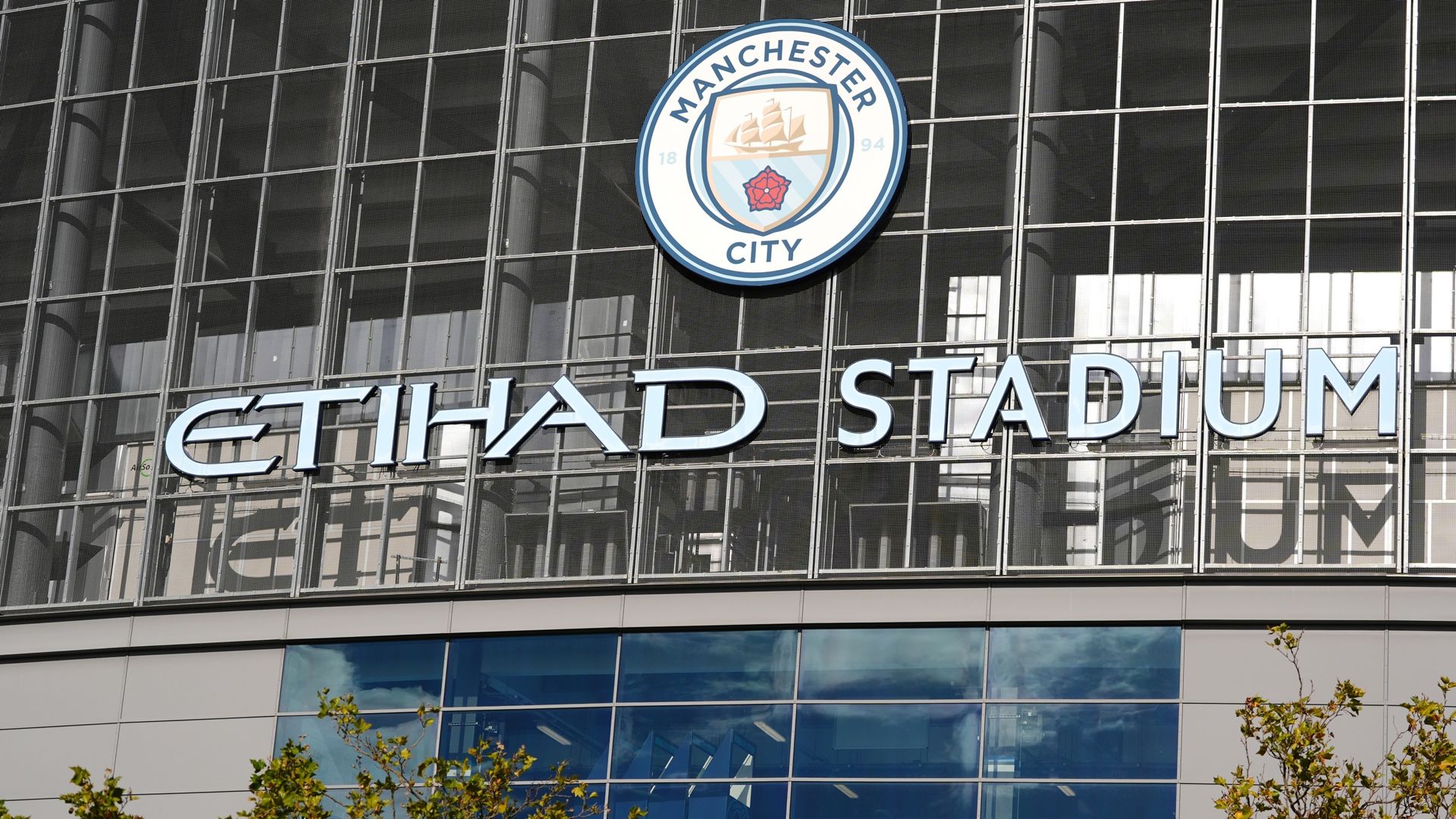
Football governance crossed a permanent threshold the moment independent panels handed down their findings regarding Manchester City. Pep Guardiola stood before the microphones not as a tactician defending a tactical shape, but as a corporate shield for an entire geopolitical sports model. The manager backed his employers with fierce loyalty, dismissing outside noise and doubling down on an institutional siege mentality. Yet, beneath the defensive posture lies a profound structural reckoning that extends far beyond the Etihad Stadium trophy room.
For two decades, modern European football operated under a specific economic assumption. Clubs with sovereign wealth backing could inject capital through proprietary sponsorships, reshaping the competitive hierarchy of the continent. Rivals screamed foul. Regulators built elaborate financial control frameworks designed to protect traditional revenue streams and maintain competitive balance. When those frameworks collided with the legal reality of sports arbitration, the resulting friction exposed the limits of institutional authority.
The Mechanics of Modern Wealth
To understand why this verdict matters, look past the PR statements and examine the balance sheets. Elite football clubs are no longer traditional sporting associations rooted in local communities. They operate as global media properties, soft-power instruments, and high-stakes financial assets.
When regulatory bodies attempt to police commercial valuations, they enter a labyrinth of subjective market rates. What is a shirt sponsorship worth when the brand acts as an extension of a state economy? Traditional clubs pointed to inflated sums as systemic distortion. The defending legal teams countered with market logic, arguing that private ownership has every right to invest capital as it sees fit within the letter of the law.