The air in a diplomatic reception is different from the air on a campaign trail. One smells of expensive cologne and the sterile, muted scent of high-stakes neutrality. The other smells of rain-slicked pavement, damp wool, and the electric, often volatile energy of a public demanding to be heard.
Gordon Knight knows both.
Most people see a Reform UK candidate and expect a specific profile. They look for the firebrand, the outsider, the man shouting from the back of a flatbed truck about sovereignty and the shifting tides of British identity. What they don’t expect is a man who spent years navigating the labyrinthine corridors of international diplomacy, acting as a bridge between the British government and the pulsating, neon-lit complexity of Hong Kong.
This is not a story about a career change. It is a story about the masks we wear and what happens when the quietest rooms in the world collide with the loudest.
The Quiet Room
Before he was knocking on doors in South Thanet, Gordon Knight was a "diplomat" in all but name. Working for the Hong Kong Economic and Trade Office (HKETO), he occupied a space that most of us only see in spy thrillers or dry C-SPAN broadcasts.
To understand why this matters, you have to understand what Hong Kong represents. It is a ghost of an empire and a harbinger of a new world order. For decades, it was the place where East met West with a firm, profitable handshake. But beneath that handshake, the bones were shifting.
Knight wasn’t just a paper pusher. He was an "Inter-Governmental Relations Manager." In the language of power, that means he was the person who ensured the gears didn't grind to a halt when the politics got heavy. He worked in the London office, a piece of Hong Kong soil nestled in the heart of the UK. His job was to translate. Not just languages, but intentions.
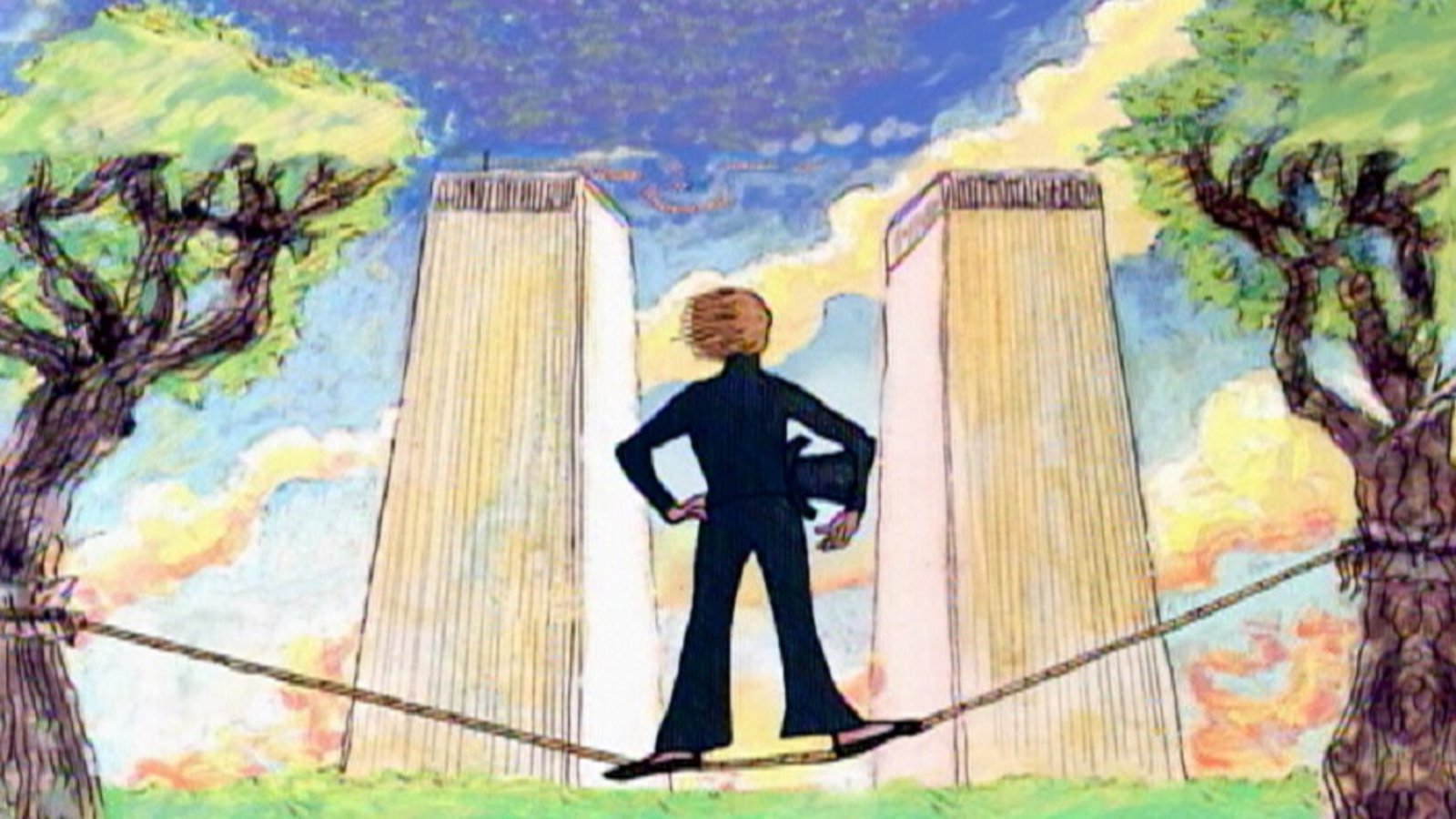
Think of a diplomat as a high-wire walker. On one side, you have the host nation’s expectations. On the other, you have the home office’s demands. Below you? A long, long drop into an international incident.
The Weight of the Badge
In the sterile offices of the HKETO, the stakes are rarely shouted. They are whispered in memos. They are felt in the tension of a handshake that lasts a second too long.
The controversy surrounding Knight’s candidacy stems from a singular, uncomfortable question: Can a man who served the interests of a government increasingly under the shadow of Beijing truly represent the fierce independence of the Reform UK platform?
It’s a valid friction. Reform UK positions itself as the ultimate protector of British sovereignty, a bulwark against foreign influence and the "globalist" agenda. Meanwhile, the HKETO has recently found itself under a microscope. In the wake of the National Security Law and the tightening grip of the Chinese Communist Party over Hong Kong’s once-vibrant democracy, these trade offices are no longer seen as simple hubs for commerce. They are seen by some as outposts of influence.
Knight’s critics see a contradiction. They see a man who was once part of the machinery that some believe is eroding the very values Reform UK claims to cherish.
But look closer.
History is littered with people who saw the inner workings of a system and decided they wanted something different. There is a specific kind of clarity that comes from sitting in a room where you see exactly how the sausage is made. You see the compromises. You see the way small concessions on paper turn into massive shifts in reality.
The Transition
The shift from diplomat to candidate is like moving from a library to a battlefield.
In diplomacy, ambiguity is your best friend. You use words like "concerning," "robust dialogue," and "mutual interest" to avoid saying what you actually mean. It is an art form of the vague.
In a campaign, ambiguity is a death sentence. The voters in South Thanet don’t want a "nuanced perspective on trade relations." They want to know if you’re going to fix the roads, if you’re going to protect their jobs, and if you actually care about the town they’ve lived in for forty years.
Knight’s background gives him an edge that many of his peers lack. He knows how power moves. He has seen how international pressure can bend a local economy. He understands that a decision made in a boardroom in Hong Kong can eventually lead to a closed factory in Kent.
The invisible stakes are the ones that actually matter. While other politicians are arguing about the headline of the day, a man with Knight's experience is looking at the plumbing. He’s looking at the trade flows, the regulatory creep, and the subtle ways that foreign policy dictates local life.
The Human Cost of Neutrality
There is a loneliness to the life Knight led. When you work for an entity like the HKETO, you are a representative, not an individual. Your personal opinions are tucked away, hidden behind the official stance of the office.
Imagine spending years being the face of an organization that is slowly becoming a pariah in the eyes of your own neighbors. You see the headlines about the crackdowns in Hong Kong. You see the protesters in the streets of London, people your own age, screaming for a freedom that your employer is being accused of stifling.
That does something to a person. It forces a choice.
You either become part of the wallpaper, or you break out.
Knight’s decision to run for Reform UK is, in many ways, an act of breaking out. It is a rejection of the "quiet room." It is an attempt to take the skills honed in the shadows—the negotiation, the strategic thinking, the understanding of global pressure—and apply them to the noisy, messy reality of British democracy.
The Invisible Stakes
Why does any of this matter to the average person?
Because the world is getting smaller. The barrier between "foreign affairs" and "local life" has evaporated. We live in an era where the supply chain for your morning coffee is a geopolitical minefield.
When a candidate has spent time in the belly of the beast, they bring a specific type of intelligence to the table. They know where the bodies are buried because they helped dig the holes. Or, at the very least, they were standing nearby with the map.
The risk, of course, is trust.
Trust is the only currency that matters in a small-town election. The people of South Thanet have to decide if Knight is a man who learned the truth and decided to fight for them, or if he is simply a man who is good at wearing masks.
His history with Hong Kong isn't just a line on a resume. It’s a lens. It’s a way of seeing the world that is both incredibly sophisticated and deeply burdened.
The Final Threshold
The campaign trail is long. It is filled with cold tea, soggy sandwiches, and endless questions.
For Gordon Knight, every door he knocks on is a test. He is no longer protected by the immunity of a trade office or the prestige of a diplomatic title. He is just a man in a coat, standing on a doorstep, trying to convince a stranger that he understands their struggle.
The irony is palpable. The man who spent his career managing "inter-governmental relations" is now trying to manage the most difficult relationship of all: the one between a politician and the people.
There are no memos here. No prepared statements that can save you when a voter looks you in the eye and asks why they should believe a word you say.
In those moments, the diplomat has to disappear. The "Manager" has to die. Only the man can remain.
The sun sets over the English Channel, casting long, orange shadows over the coast of Kent. Far across the water, the world continues its chaotic, interconnected dance. Somewhere in an office in London, another young manager is drafting a memo about trade quotas, unaware that in a few years, they might be standing in the rain, begging for a vote.
Knight has already made that journey. He has crossed the threshold from the silent halls of power to the loud, uncertain streets of the people.
The high-wire is still there. But this time, there’s no safety net. There are only the voices of the crowd, waiting to see if he’ll make it to the other side.