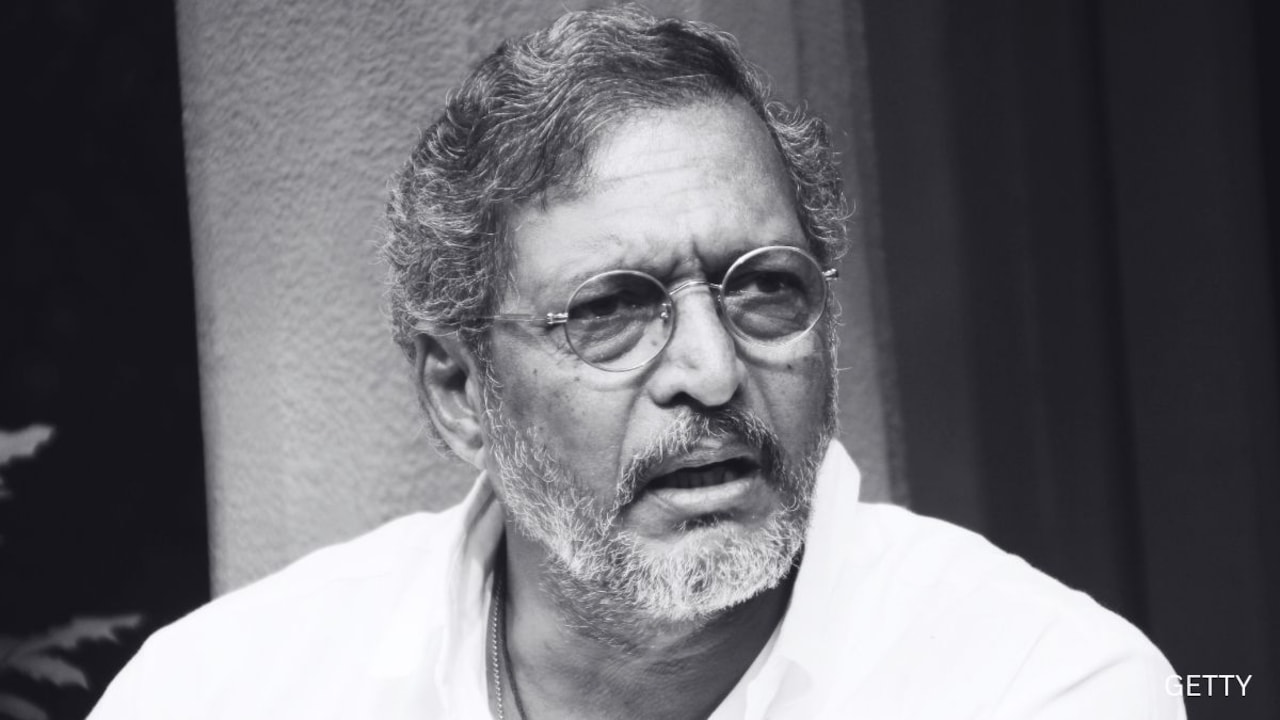
There is a specific kind of silence that stays in a room long after a person has left it. It is not an empty silence. It is heavy, weighted down by the memory of a voice that could slice through steel or drop to a devastating, ragged whisper.
Vishwanath Patekar did not merely enter a scene; he occupied it like an uninvited storm. For a different view, read: this related article.
When the news broke that the 75-year-old actor and filmmaker had quietly slipped away in Goa following a cardiac arrest, the collective reaction across India was not just morning sorrow. It was a sudden, chilling realization that a whole architecture of raw, unapologetic intensity had vanished from the earth. Doctors tried to revive him for forty-five long minutes in the quiet hours of the morning. The machinery of modern medicine fought against the inevitable, but the man who gave cinema characters like Sadhu Agashe and Anna Seth had already delivered his final act.
Consider what it takes to survive the Bombay of the 1970s and 1980s with nothing more than a bruised ego and a starving stomach. Long before he was a face on silver screens or an honorary lieutenant colonel marching with the Maratha Light Infantry during the Kargil War, Patekar was painting cinema hoardings on towering wooden scaffolding. Fifty rupees a month. High altitudes, wind whipping against canvas, and the constant, gnawing friction of a kid trying to find an identity in a city that eats ambition for breakfast. Related analysis on the subject has been provided by The New York Times.
He often spoke about hunger. Not as a poetic metaphor, but as a physical instructor. Hunger taught him how a human face contorts when dignity is stripped away. It taught him why the poor do not weep loudly; they swallow it down until their jaws lock.
When he finally stepped in front of a movie camera, he brought that scaffolding dust with him.
Director Mira Nair caught him early for Salaam Bombay!, but it was Vidhu Vinod Chopra’s Parinda that cemented his template. As Anna Seth, the psychopathic gangster who calmly washes his hands while roasting a live bird or purrs cold threats with a terrifying smile, Patekar rewrote the vocabulary of the Bollywood villain. He did not twirl a mustache. He made evil mundane, casual, and fiercely intelligent.
Then came Krantiveer.
Imagine sitting in a packed, darkened single-screen theater in 1994 when Pratap Narayan Tilak walks onto the courtroom steps. The monologue is not a speech; it is an indictment. When Patekar tore into the corruption of the state, his eyes bulging, veins throbbing at his temples, the audience did not clap. They stopped breathing. That performance won him a National Film Award, but more importantly, it turned him into the moral conscience of an exhausted public. He became the voice for people who felt entirely powerless against the cogs of bureaucracy.
Yet, compartmentalizing Nana Patekar purely into terrifying rage or brooding intensity is to misunderstand his entire range.
Years later, when Rohit Shetty cast him as the deadpan, unpredictable Don Uday Shetty in Welcome, audiences discovered an entirely different artist. He handled comedy with the exact same precision he brought to tragedy. The man who could terrify you in Parinda was now making millions laugh by selling abstract paintings to terrified gangsters. That is the paradox of his career. He was rigorous, almost frighteningly serious about his craft, yet he could pivot into absurdist comedy without losing an ounce of his dignity.
Beneath the greasepaint and the state honors, there was an intensely private, fiercely eccentric man. While other stars chased real estate portfolios and global branding deals, Patekar lived remarkably simply. He famously resided in a modest flat, gave away massive portions of his earnings, and co-founded the Naam Foundation to support drought-stricken farmers in Maharashtra. He did not talk about his philanthropy as a public relations strategy. He did it because he knew what it meant to have an empty plate.
Even his military service was not a stunt. When he trained with the Territorial Army, he slept in tents, ate army rations, and stood shoulder-to-shoulder with young recruits who looked at him not as a movie star, but as a comrade.
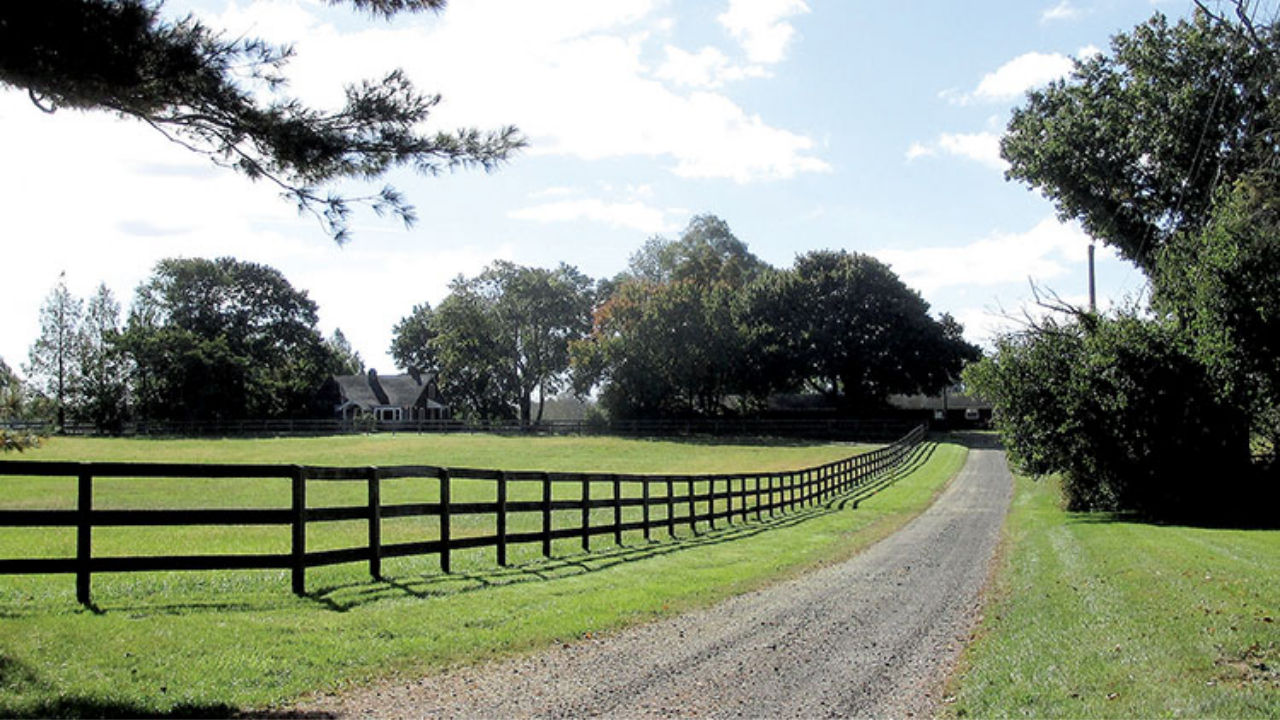
Life was not without its shadows. Controversies clipped his wings at times, public storms tested his resilience, and personal tragedies—such as losing his two-year-old son early in life—carved lines into his face that makeup artists never needed to paint. He carried a permanent melancholy. You could see it in the way he stared past interviewers, or how he retreated to his farmhouse in Pune or his sanctuary in Goa, preferring the company of the earth to the glittering, hollow vanity of film parties.
At the time of his passing, he was still working. A crime thriller called The Confession was near completion, with just a single line of dubbing left in the studio. Think about that. A career spanning nearly five decades, built on thousands of shouted, whispered, and wept syllables, ending on a dangling phrase. One line left unsaid.
His mortal remains were flown to his farmhouse in Pune, cremated under the quiet gaze of state honors and the people who loved him best. Prime Minister Narendra Modi noted his unmistakable presence and raw individuality. Fans on internet forums swapped lines from Natsamrat with broken hearts, remembering how he portrayed a legendary stage actor discarded by his own family.
The irony is sharp. In Natsamrat, his character famously laments the tragedy of being forgotten.
India will not forget.
The scaffolding is quiet now. The canvas is finished. But somewhere in the dark of a cinema hall, long after the credits roll, a raspy voice will cut through the noise, asking a question that demands an honest answer, and the room will instantly fall still.