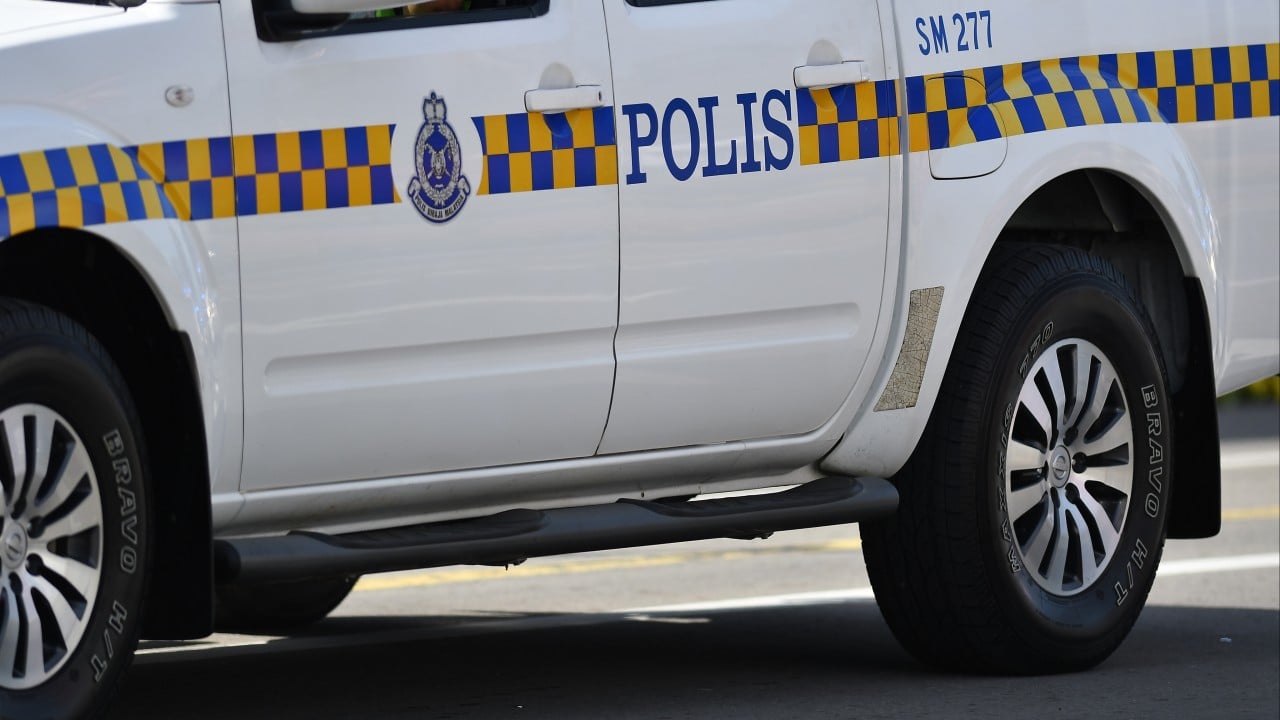
A night out at a local show shouldn't cost someone their life. Yet the suspected murder of a man at a Malaysian underground gig has forced fans, promoters, and musicians to confront an uncomfortable reality about how independent events actually operate.
When news broke of the fatal incident at an underground music event in Malaysia, shockwaves hit the local scene immediately. People started asking hard questions. How did violence escalate to that point? Who was watching the door? And why do so many grassroots shows operate in a gray zone where basic emergency protocols simply don't exist?
If you've spent any time around independent music scenes—whether in Kuala Lumpur, Penang, or anywhere else in Southeast Asia—you know the appeal. Underground gigs are raw. They're cheap. They give young bands a stage when commercial venues won't touch them.
That freedom comes with a massive blind spot.
Why Malaysian Underground Gigs Operate in a Gray Zone
Mainstream concerts in Malaysia go through strict vetting. Organizers deal with local councils, police permits, and guidelines from bodies like PUSPAL (Central Agency for Application for Filming and Performance by Foreign Artistes) when international acts are involved. Large venues hire licensed security firms, set up bag checks, and keep medics on standby.
Underground shows rarely follow that playbook. Most happen in rented shoplots, DIY art spaces, warehouse basements, or small independent cafes. Budgets are tiny. A promoter might pull together RM500 from door tickets just to pay for sound rental and petrol money for the bands.
Hiring licensed bouncers or paying for formal municipal permits isn't just expensive—it's often viewed as impossible for a 60-person punk, metal, or hardcore show. So organizers rely on trust. They assume everybody in the room is there for the music, and that the community will police itself.
For years, that informal system mostly worked. Until it didn't.
The suspected murder at this Malaysian underground gig shattered the illusion that DIY spaces are automatically safe spaces. When there's no trained security at the entrance, nobody is checking who walks through the door or what they're carrying. When alcohol or outside disputes spill into a cramped, poorly lit room with one narrow staircase, things can turn ugly in seconds.
The Real Safety Failures Happening Behind the Scenes
Blaming the entire underground music culture misses the point. Thousands of kids attend local gigs every year without a single incident. The problem isn't the music—it's the complete absence of basic crowd management and venue accountability.
Look closely at how most DIY events are set up, and the vulnerabilities jump right out at you.
- Zero entry screening. Anyone can walk in off the street. Without basic bag checks or a dedicated door person paying attention to intoxication levels or aggressive behavior, organizers have no filter.
- Dangerous venue layouts. Upper-floor shoplots are the backbone of Malaysia's indie scene. Many have a single steep staircase, blocked fire exits, and zero ventilation. If a fight breaks out or panic spreads, people get trapped.
- No de-escalation plan. When an altercation starts, promoters and sound engineers usually freeze or jump in themselves without any training. Trying to break up a violent confrontation without proper backup puts everyone at risk.
- Fear of calling authorities. Because many small gigs operate without formal entertainment licenses, organizers sometimes hesitate to call the police or an ambulance early, worried they'll get shut down or arrested themselves.
That hesitation costs precious minutes. In a medical or violent emergency, waiting ten minutes to figure out who's going to deal with the cops can mean the difference between a bad night and a fatality.
What Venue Owners and Promoters Actually Need to Fix
You don't need a massive corporate budget to stop a tragedy before it starts. You just need to stop treating safety as an afterthought.
If you're booking bands or opening your space for a show, the bare minimum has to change right now. First, assign dedicated sober crew members to the door and the floor. Not your buddy who's three drinks deep and trying to watch his favorite band—actual designated people whose only job is watching the room, checking bags, and spotting trouble early.
Second, look at your exits before a single amp gets turned on. Unlock every fire door. Clear out the broken equipment stacked in the hallway. If a room holds 80 people safely, stop cramming 150 inside just to make extra cash at the door.
Third, establish a hard rule on emergencies. Make sure every crew member knows the exact address of the building—sound obvious, right? You'd be surprised how many people panic on a phone call with emergency services because they only know the venue's Instagram handle, not the actual street number. Put the emergency protocol in writing and brief the bands and crew before doors open.
How Fans Can Protect Themselves at Local Shows
Fans play a role here too. Supporting the local scene shouldn't mean ignoring your own instincts when a room feels wrong.
Pay attention the second you walk into an unfamiliar venue. Locate the exits immediately. Notice who's running the door and whether anyone is actually paying attention to the crowd. If a venue feels dangerously overcrowded, or if people are bringing weapons or picking fights while organizers look the other way, leave. No setlist is worth getting trapped in a stairwell or caught in the middle of a violent dispute.
Call out bad promoters. In tight-knit music communities, word travels fast. Venues and organizers that cut corners on basic safety, lock fire exits, or ignore violent behavior shouldn't get your money or your support.
The suspected murder at a Malaysian underground gig is a brutal wake-up call for an entire ecosystem. Independent music survives on passion and community, not red tape—but passion won't stop a blade, and community means nothing if people don't make it home alive. Start demanding basic safety standards at the next show you book, host, or attend.