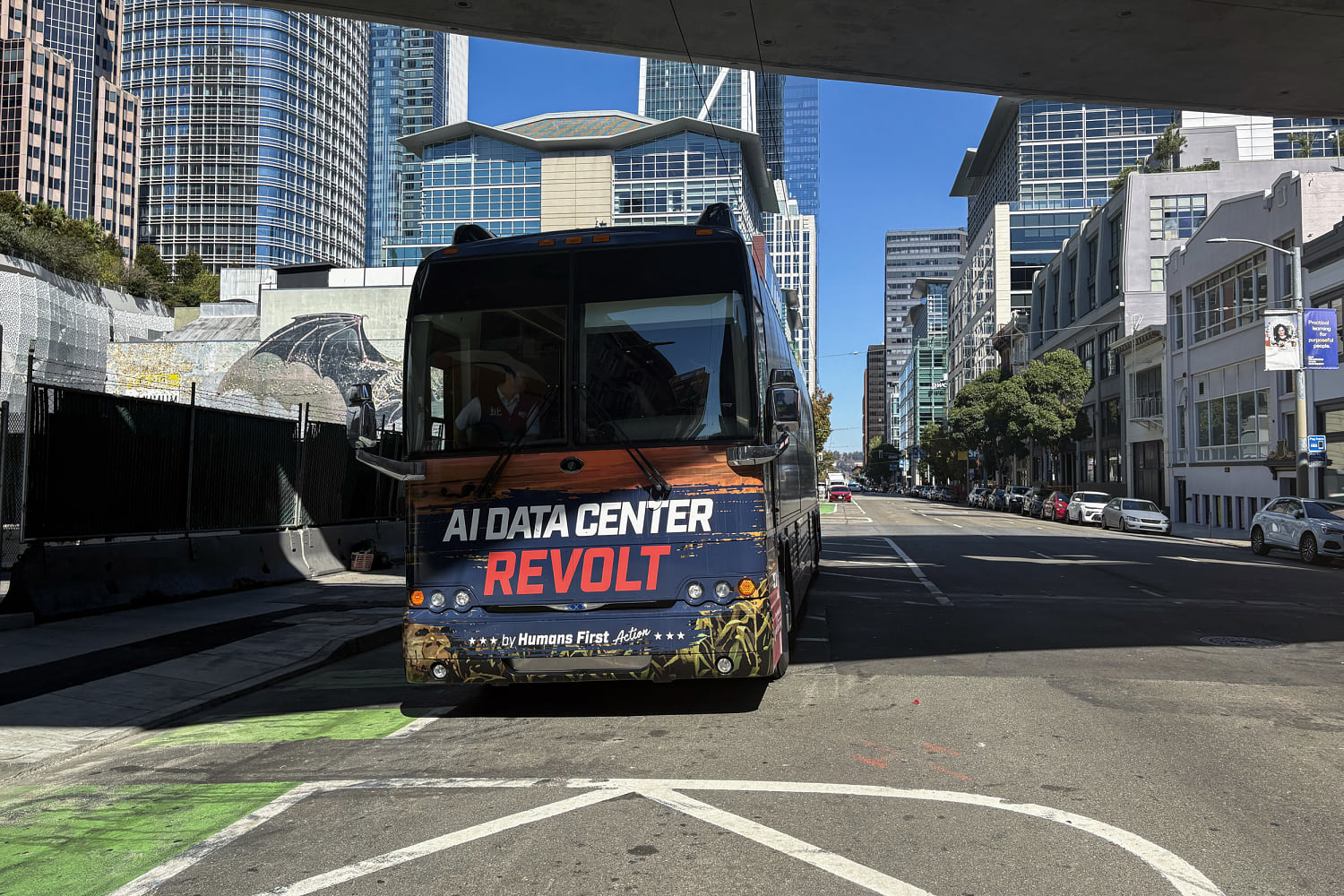
Silicon Valley did not expect this crowd at its doorstep. When conservative coalition groups rolled into San Francisco to protest the explosive, unregulated growth of artificial intelligence infrastructure, they brought an unusual political dynamic straight to the headquarters of tech giants like OpenAI, Anthropic, Google, and Meta.
For years, the political establishment assumed that tech resistance belonged strictly to progressive climate groups or labor unions. But the rise of massive AI data centers has scrambled traditional alliances. Right-leaning activists are now joining forces with local communities to demand hard guardrails, questioning why tech billionaires get a free pass to drain local water tables and skyrocket electricity bills. For another perspective, check out: this related article.
The Strange Convergence Against Big Tech
Take a close look at who is actually showing up to these municipal zoning hearings and street protests. You see long-term conservative organizers standing shoulder-to-shoulder with rural landowners and working-class residents.
The core grievance is simple. Massive server farms require staggering amounts of power and water. Communities across America are suddenly facing grid instability and skyrocketing utility costs to fuel server warehouses that bring very few permanent local jobs. When groups like Humans First—led by veteran conservative organizer Amy Kremer—wrapped up an 8,000-mile cross-country tour culminating in San Francisco, they weren't marching against traditional conservative touchstones. They were targeting corporate tech expansion. Similar coverage on this trend has been published by The Next Web.
This creates a massive headache for political strategists. While national leaders often champion technological dominance in the global race against rivals like China, voters on the ground are dealing with the messy reality of substation hums, grid strain, and vanishing local resources.
Why Data Centers Became Public Enemy Number One
Data centers used to hide in plain sight. They were quiet, nondescript warehouses full of humming servers tucked away in industrial parks. The generative intelligence boom changed everything.
Modern AI training clusters require scale on a magnitude the world has never seen. Facilities now consume as much electricity as mid-sized cities. Local residents are waking up to proposals for massive fossil-fuel-powered generation plants brought back online just to keep server farms cool and running.
Gallup polling shows that opposition to data centers in local neighborhoods spans across party lines, hovering near seventy percent. When roughly seven out of ten citizens reject a heavy industrial footprint in their backyard, the issue stops being theoretical. It turns into an immediate kitchen-table crisis.
People are asking a basic question: Who actually benefits from this buildout? The answer, as activists point out, seems entirely concentrated among a handful of tech executives in coastal enclaves, while ordinary towns shoulder the environmental and economic fallout.
The Political Fallout
This grassroots friction is already changing election outcomes. Recent exit polls and local ballot measures show that public backlash against unbridled tech expansion is hurting candidates who give corporate server projects a rubber stamp. Voters are punishing politicians who ignore local pushback, proving that populist anger isn't confined to traditional cultural debates.
When conservative activists bypass Washington orthodoxy to march on Silicon Valley, it signals a deeper realignment. The populist base is increasingly skeptical of corporate monopolies, whether those monopolies control media platforms or devour local power grids to train large language models.
The tech industry can no longer treat local opposition as a minor nuisance to be brushed aside with PR statements. If major AI firms want a social license to keep expanding, they will have to answer to communities that are no longer willing to trade their natural resources for empty promises of future innovation. Expect more friction, more local zoning battles, and a lot more unexpected faces showing up outside corporate headquarters.


