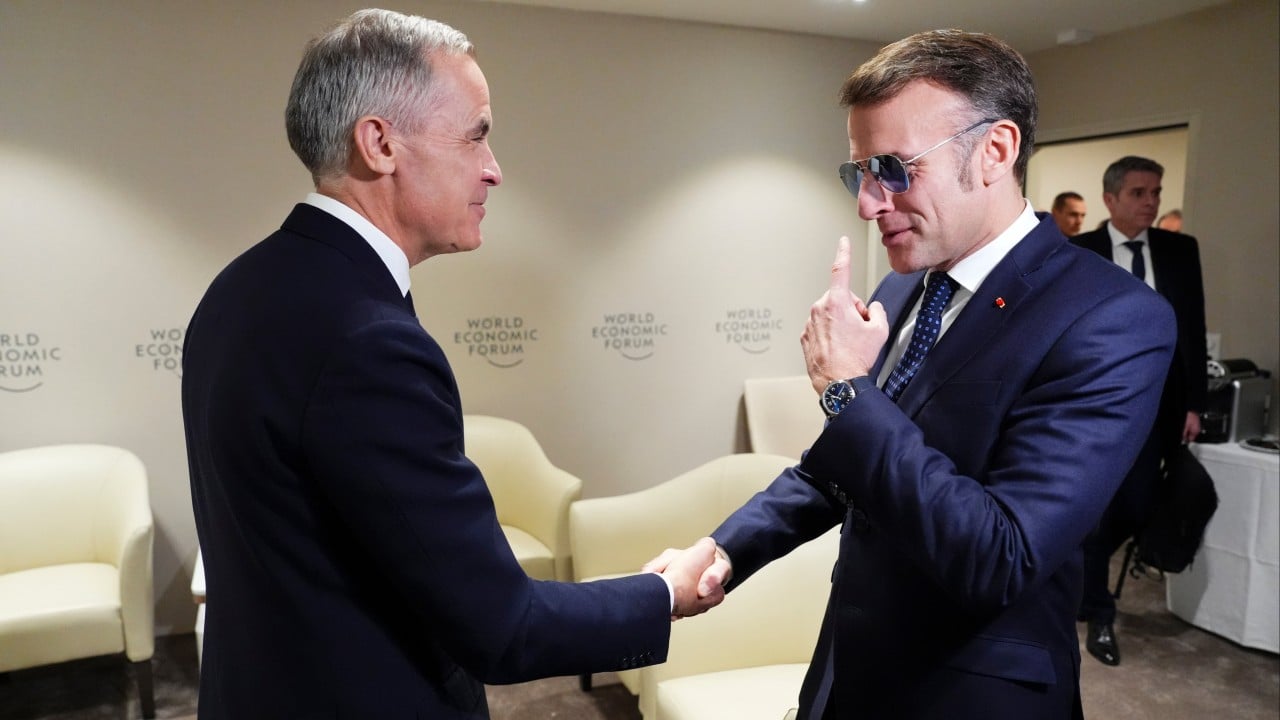
Geography plays tricks on us. When French President Emmanuel Macron touched down on the rocky shores of Saint-Pierre-et-Miquelon, he wasn't just visiting a quirky remnant of France's colonial past floating twenty kilometers off the coast of Newfoundland. He was sending a loud, unambiguous message about where power is shifting.
The archipelago is tiny. Its population hovers around six thousand. Yet, the timing of Macron's arrival alongside Canadian Prime Minister Mark Carney turned a remote North Atlantic dot into the center of a high-stakes geopolitical pivot. Ottawa is staring down punishing trade wars and fifty percent tariffs from Washington. Brussels is dangling the prospect of unprecedented integration. And suddenly, the map of Western alliances looks completely different than it did a few years ago.
The Symbolism of Saint-Pierre-et-Miquelon
Most people forget that France shares a direct maritime border with Canada. Saint-Pierre-et-Miquelon is the last surviving piece of New France left in North America, a place where French baguettes are bought with Euros and fishermen haul catches out of the same icy Atlantic waters that Samuel de Champlain mapped centuries ago.
Choosing this specific location for a summit with Carney wasn't accidental. It was theater with a purpose. It forced observers to look past continental boundaries and acknowledge a simple truth. Europe and North America share more than polite diplomatic dinners; they share immediate neighbors, overlapping maritime zones, and a sudden urgency to hunker down against economic bullying.
When Macron laid a wreath at a local memorial honoring volunteer World War II enlistees, the subtext was obvious. Democracies under pressure stick together. But history alone doesn't pay import duties or secure energy grids. The real work happened behind closed doors when Macron and Carney sat down to talk trade, LNG exports, and a potential new chapter in Canada-EU relations.
Why Canada is Looking Across the Ocean
You cannot understand this summit without looking at the economic pressure cooker in Washington. Trade talks between Canada and the United States hit a brick wall, followed swiftly by aggressive American tariffs hitting everything from machinery to textiles. When your biggest trading partner decides to weaponize tariffs, diversification stops being a nice talking point for business conferences. It becomes an existential survival strategy.
Prime Minister Mark Carney didn't stumble into Europe's arms by accident. Facing economic fallout, Ottawa began aggressively exploring deeper institutional links with the European Union. European Commission President Ursula von der Leyen tossed a bombshell proposal into the ring, floating the idea of Canada becoming the bloc's very first associate member.
Associate membership isn't full EU entry. Canada isn't adopting the Euro or joining the Schengen Area. But it opens up structured cooperation in defense procurement, regulatory alignment, and high-tech manufacturing. For Canadians tired of being economically squeezed by their southern neighbor, tying their wagon to the European market looks like a stabilizing anchor.
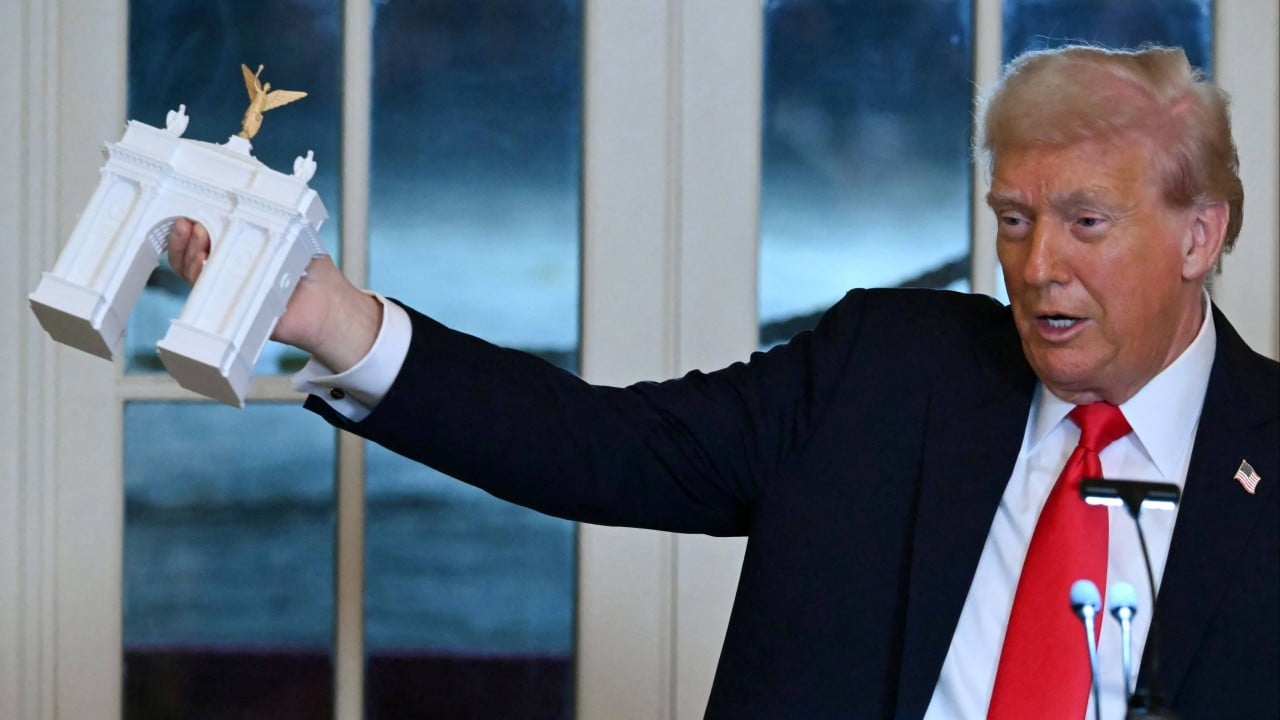
Of course, Washington noticed. The Trump administration reacted with characteristic fury, labeling the overtures toward Europe a potential hostile act and threatening immediate retaliation. That reaction only accelerated Ottawa's resolve. If bullying was supposed to bring Canada to heel, it had the exact opposite effect. It sent Canadian leadership scrambling for friends across the Atlantic.
The Energy Question and LNG Realities
Trade deals sound great in press releases, but economies run on physical commodities. During their summit, Macron and Carney zeroed in on an asset Europe desperately needs: liquefied natural gas.
European energy security took a permanent hit following years of supply shocks and geopolitical realignments. While Canada possesses massive natural gas reserves, the infrastructure to ship it eastward has traditionally lagged behind Pacific-facing export terminals designed for Asian markets. Paris made it clear during the Saint-Pierre meetings that France wants Canadian LNG flowing into European ports.
It sounds straightforward on paper, but turning this ambition into reality requires billions in capital investment, complex environmental reviews, and years of construction. Energy projects don't materialize overnight just because two leaders share a photo op on a windy North Atlantic island. Yet, the political will is finally there. European buyers want predictable resource partners who share democratic values, and Canadian producers want buyers who won't slap arbitrary tariffs on their exports every time a political whim changes.
The Hurdles of Institutional Integration
Before anyone breaks out the champagne in Brussels or Ottawa, we need a reality check. Pushing for an "Alliance for the Future" or associate membership is easy when you're standing on a scenic island giving press conferences. Implementing it through the grinding machinery of international bureaucracy is entirely different.
Take the Comprehensive Economic and Trade Agreement as a prime cautionary tale. Signed over a decade ago, CETA still hasn't been fully ratified by every single EU member state. France itself has dragged its feet on final ratification due to domestic agricultural sensitivities and political friction. If a standard trade agreement takes ten years and still faces national roadblocks inside Europe, how quickly do you think a novel "associate membership" status will pass through twenty-seven different parliaments?
Furthermore, European capitals do not speak with one voice. Macron wants an independent Europe that can project strategic autonomy on the global stage. Other European leaders care more about immediate manufacturing exports and keeping energy costs down. Balancing those competing internal priorities while carving out a special status for a North American nation will test the limits of EU diplomacy.
Canada also faces domestic hurdles. Any treaty or association framework that threatens cultural independence or weakens linguistic protections—particularly regarding French language rights—will face fierce opposition at home. Carney knows that selling a European pivot to Canadian voters requires proving that the economic benefits outweigh the bureaucratic overhead.
What Happens Next
The meeting in Saint-Pierre-et-Miquelon marked a definitive turning point, but it is only the starting gun. The real test shifts to negotiators in Brussels, Paris, and Ottawa.
If Canada and the European Union can move past political posturing and hammer out practical agreements on digital trade rules, critical mineral supply chains, and joint defense manufacturing, they will alter the transatlantic economic balance for a generation. They will prove that middle powers can band together to resist protectionist coercion and secure their own supply chains.
If they fail, the grand vision of an Atlantic-spanning democratic bloc will join a long list of ambitious diplomatic communiques that sounded brilliant on the day they were signed but crumbled under the weight of domestic politics.
For now, the momentum is real. The ice is cracking in the North Atlantic, and the political climate is shifting right along with it. Keep your eyes on how quickly those energy and defense talks move once the leaders leave the podium and the real negotiators take over.