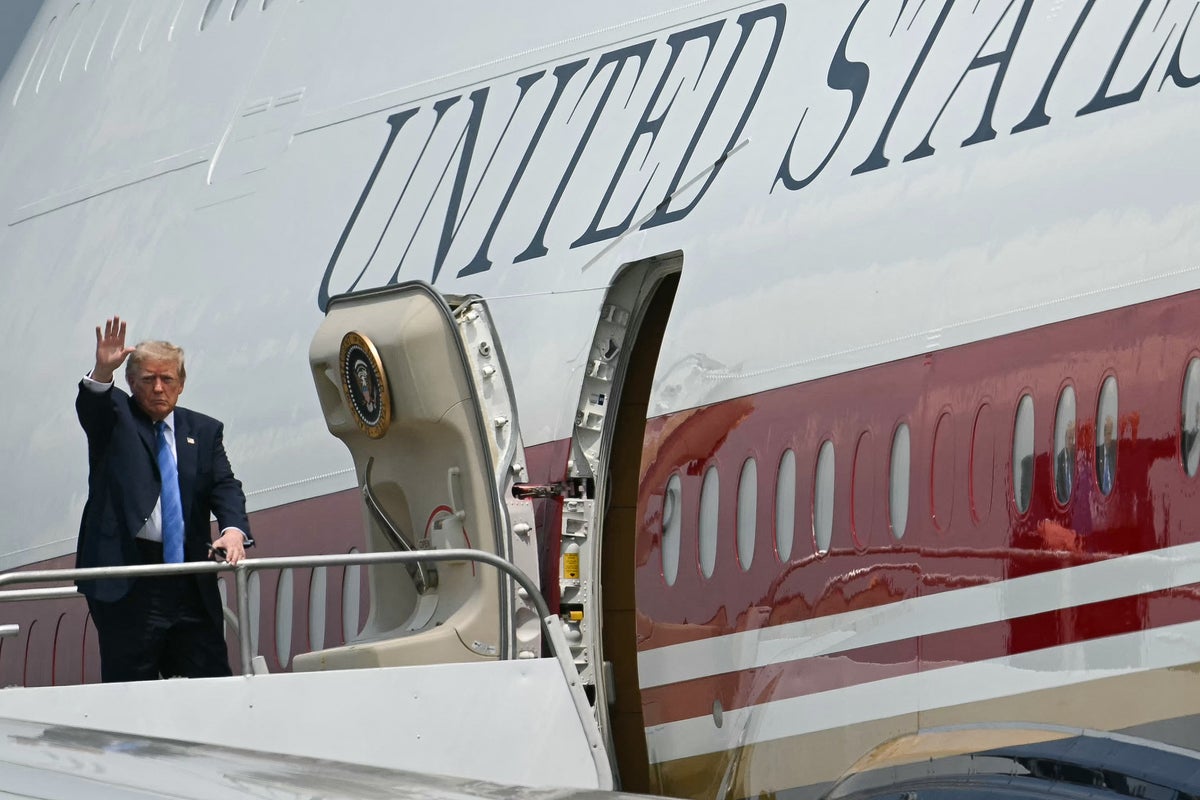
The tarmac at the airport in Billings, Montana, radiated heat like a skillet left on an open flame. It was August of 2024, and a silver and blue Boeing 757 bearing the bold, unmistakable surname of Donald Trump sat disabled on the ground, its mechanical heart stuttering. A hydraulic failure had forced an emergency diversion, grounding a flying billboard that usually crisscrossed the nation with clockwork precision. Passengers, campaign aides, and Secret Service personnel shuffled off the aircraft and into the stifling Montana air, their schedules upended, their immediate futures reduced to the logistics of finding a replacement machine.
Weeks later, that exact moment—and the frantic, high-stakes scramble that followed—found its way onto Netflix. For a more detailed analysis into similar topics, we recommend: this related article.
Speed is the currency of modern media. Yet, capturing an event before the paint has even dried on its aftermath stretches the definition of documentary filmmaking into something resembling real-time folklore. How does a production crew metabolize history while the participants are still living its consequences?
Consider the mechanics of waiting. When a campaign plane breaks down, time fractures. For the traveler, there is the immediate annoyance of missed connections. For a presidential campaign, there is the paralyzing dread of narrative interruption. Every hour grounded is an hour off the stage, a missed handshake, a vacuum waiting to be filled by hostile headlines. Netflix did not just document a mechanical failure. They captured the nervous system of modern political theater exposed to the elements of pure chance. For further context on this development, extensive analysis can also be found on Deadline.
Cameras rolled as backup plans materialized from thin air. Another aircraft was summoned—a smaller, less glamorous charter that lacked the custom insignia, forcing a scramble to maintain the illusion of seamless momentum. In politics, optics are physics. You do not just move from point A to point B; you perform the movement. To swap planes is to strip away the armor, even if only for a few hours.
Documentarians live for these seams. For decades, political coverage has been managed through the glossy filter of press releases and curated campaign stops. We are fed the highlight reel. We are given the polished speech delivered beneath stadium lights. But true documentary art lives in the margins. It breathes in the stale air of a terminal lounge at midnight. It listens to the low murmur of aides arguing over secure satellite phones while a candidate sits in silence, staring out a scratched plastic window at a wing that refuses to lift.
The speed of this particular release raises a provocative question about our appetite for immediacy. We no longer wait for history to cool before we consume it. We want it served piping hot, right out of the oven, garnished with behind-the-scenes footage and dramatic pacing. Netflix has mastered the art of the instant retrospective. They turn yesterday’s breaking news into tonight’s binge-watch, collapsing the distance between lived experience and historical artifact until the two are indistinguishable.
There is a strange vertigo in watching an event you read about on your phone last month get the full cinematic treatment complete with a brooding, synthesized score and drone shots of the Montana horizon. It forces us to ask whether we are processing events or simply consuming their packaging. When a plane swap becomes a streaming event within weeks, the event itself threatens to dissolve into its own representation. It stops being a mere logistical hiccup and becomes a symbol, a narrative trope designed to fit neatly into the algorithm of our collective attention span.
Yet, underneath the glossy production values and the rapid-fire editing suites, a human truth remains. Men and women in heavy wool suits sweating under the harsh fluorescent lights of an unscheduled regional airport. Pilots running through checklists with a quiet, terrifying focus. Staffers trading exhausted glances, realizing that the machine never stops, and if it does, they are the ones expected to push it down the runway by hand.
History is rarely made in grand, sweeping gestures. More often, it happens in the unscripted pauses between the speeches, when the teleprompter goes dark and the engines die. Netflix caught that quiet terror on a dusty runway under the big sky. And long after the streaming queue refreshes and the next sensation takes its place, the image of that stranded silver bird remains—a stark reminder that even the most powerful machinery on earth is ultimately at the mercy of a broken part and the ticking clock.